



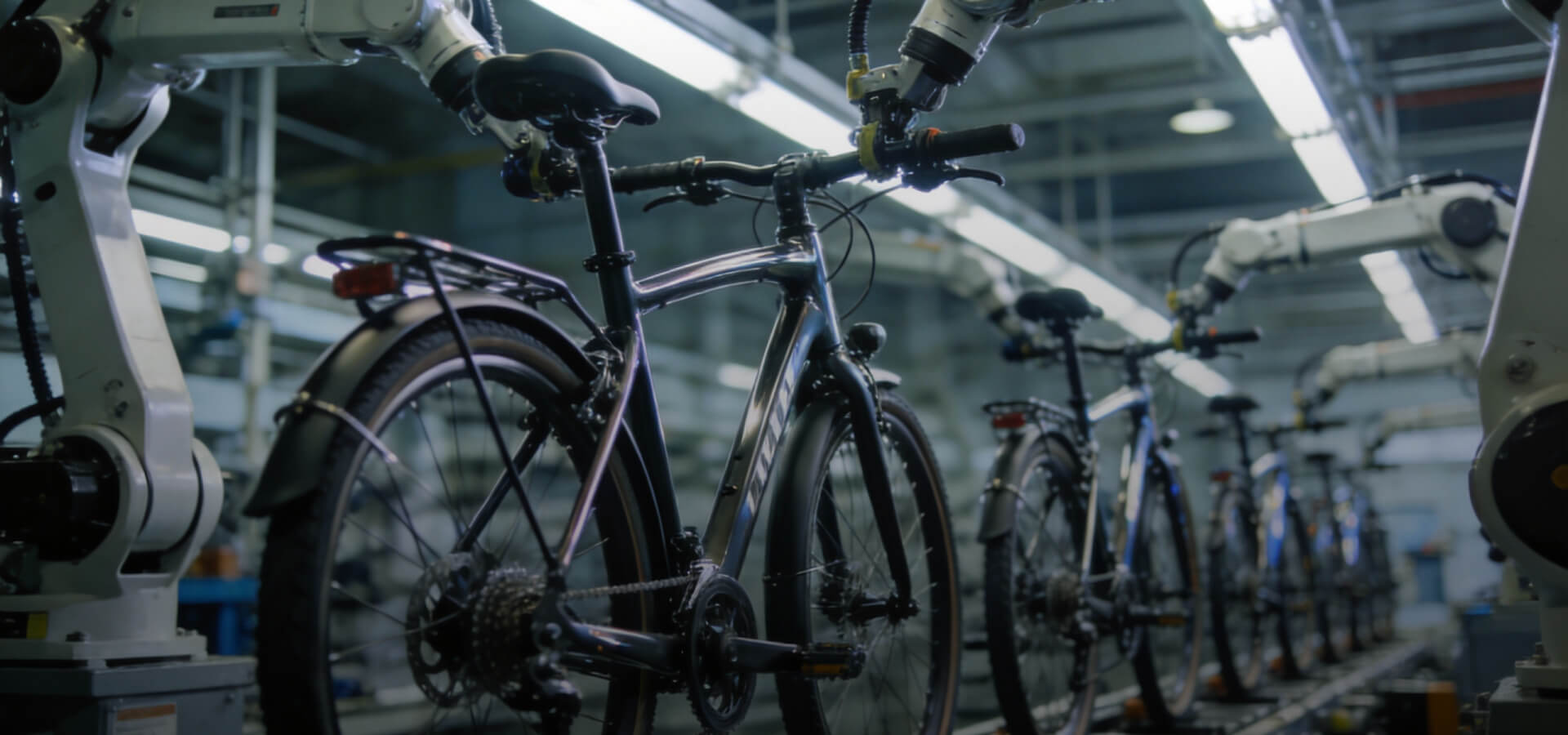

Finding the right UK electric bike supplier is about more than choosing a competitive price. For distributors, retailers, and e-bike brands, the right supplier should understand which models fit the UK market, how to configure them for local riders, and how to support OEM, ODM, and wholesale orders.
From lightweight commuter bikes to folding and cargo models, different segments require different specifications and price positioning. For B2B buyers, choosing the right product mix from the beginning can reduce inventory risk and make it easier to build a competitive e-bike range.
Nordvia provides OEM and ODM electric bike solutions for the UK market, supporting brands, wholesalers, and distributors with product configuration, branding, production, and bulk supply.
UK Electric Bike Market: What Buyers Actually Need
The UK market covers a wide range of riding needs, but practical urban mobility remains one of the most important considerations.
Many riders need an electric bike for commuting, short daily trips, train connections, shopping, or family transportation. This creates demand for e-bikes that are practical, easy to maintain, and suitable for regular use rather than simply offering maximum motor power or battery capacity.
For distributors and brands, several factors are particularly important when selecting models:
Comfortable geometry for everyday riding
Manageable weight
Reliable battery range
Practical accessories such as mudguards, lights, and racks
Compact storage for urban users
UK-compatible motor configurations
Reliable brakes and electrical components
Easy access to replacement parts
A successful product range does not need to include every type of electric bike. In many cases, a smaller selection covering several clear customer groups can be more effective.
Which Electric Bikes Sell Well in the UK?
Instead of selecting models only by appearance or price, B2B buyers should consider how each e-bike fits a specific riding scenario.
City & Commuter Electric Bikes
City and commuter e-bikes are one of the most versatile options for the UK market.
A practical commuter model typically combines a comfortable riding position with moderate weight, reliable battery capacity, integrated lights, mudguards, and a rear rack.
Step-through frames can also make city e-bikes accessible to a broader customer base.
Folding Electric Bikes
A folding electric bike can be a strong option for customers with limited storage space or mixed-mode journeys.
They are particularly relevant for riders who combine cycling with trains, keep their bike in a flat, or need a compact model that can be stored more easily.
For suppliers and retailers, folding e-bikes can also provide a clear point of differentiation from standard commuter models.
Cargo & Longtail Electric Bikes
Cargo and longtail e-bikes target a different customer group.
They can be configured for carrying children, groceries, deliveries, or other loads, making them suitable for both family transportation and commercial applications.
For B2B buyers, important considerations include frame strength, payload, braking performance, motor torque, battery capacity, and accessory compatibility.
Lightweight Electric Bikes
Weight is increasingly important for urban riders who may need to carry their bike into a home, office, or train station.
A lightweight e-bike does not necessarily need the largest battery or highest-output components. Instead, the goal is to create a balanced product that is easy to handle while still providing enough range for everyday commuting.
Trekking & Long-Range E-Bikes
For customers riding longer distances or combining city roads with recreational routes, trekking e-bikes offer a more versatile setup.
These models can use larger batteries, wider tyres, comfortable geometry, and more complete accessories for longer journeys.
For a new distributor, a practical starting range could therefore combine commuter, folding, step-through, cargo, and trekking e-bikes rather than relying on multiple models with very similar positioning.
UK Electric Bike Regulations Suppliers Should Understand
Product configuration for the UK market must take local regulations into account.
In Great Britain, an electric bike that qualifies as an Electrically Assisted Pedal Cycle (EAPC) must have pedals capable of propelling the bike. The motor's maximum continuous rated power must not exceed 250W, and electrical assistance must cut off when the bike reaches 15.5 mph (25 km/h).
Compliant EAPCs can generally be used like conventional bicycles without registration, vehicle tax, or motor insurance.
For brands and importers, this means that motor specifications and controller settings should be confirmed before production rather than changed after the bikes arrive.
Other areas such as braking, lighting, product markings, battery systems, electrical safety, and applicable product compliance requirements should also be considered when preparing an e-bike for the UK market.
Buyers planning a private-label or OEM project should therefore discuss the intended market with the manufacturer during product development.
What E-Bike Specifications Work Best for the UK?
There is no single specification suitable for every electric bike. The configuration should match the product category, target price, and customer use case.
For many mainstream UK models, buyers can start with the following considerations:
Component | Typical Consideration |
|---|---|
Motor | 250W continuous rated power for mainstream road-legal EAPC configurations |
Battery | Around 400–625Wh for many commuter and trekking applications |
Brakes | Mechanical or hydraulic disc brakes depending on positioning |
Frame | Step-through, diamond, folding, cargo, or trekking geometry |
Tyres | Urban or all-weather tyres depending on application |
Display | Simple LCD or smart display |
Lighting | Integrated front and rear lighting |
Accessories | Mudguards, rear rack, kickstand and optional baskets |
Sensor | Speed or torque sensor depending on price and riding experience |
The key is not to maximise every specification.
For example, a lightweight city bike may benefit from a smaller battery to reduce overall weight, while a cargo e-bike may require more battery capacity and motor torque.
A good electric bike supplier for the UK market should therefore help buyers create specifications around the target customer rather than simply offering one standard configuration.
OEM or Wholesale: Which Supply Model Fits Your Business?
Different buyers require different levels of customisation.
Wholesale or standard ODM models are often suitable for retailers and new distributors that want to enter the market quickly. Existing platforms can reduce development time and initial investment.
ODM with branding and configuration changes is useful for growing e-bike brands. Buyers can start from a proven platform while changing colours, logos, battery options, displays, accessories, packaging, and other components.
OEM development is more suitable for established brands with larger volumes or specific product requirements. It allows deeper changes to frame design, geometry, components, appearance, and product positioning.
The right model depends on your order volume, budget, launch schedule, and how differentiated your product needs to be.
Custom Electric Bikes for UK Brands & Distributors
Private-label e-bike projects do not always require a completely new bicycle.
Many brands can create meaningful differentiation by customising the right combination of components and visual elements.
Depending on the project, customisation can include:
Frame & Colour
Choose frame styles and finishes that match your target customer and brand identity.
Motor & Battery
Configure the drive system according to riding scenario, range requirement, and market positioning.
Display & Sensor
Choose between different display systems and speed or torque sensors to create the desired riding experience.
Accessories
Add racks, mudguards, baskets, child-seat compatibility, lighting, or other practical components.
Branding
Apply your logo, frame graphics, packaging, manuals, labels, and other private-label elements.
Smart Features
For brands that want stronger after-sales capabilities, IoT functions can support functions such as bike monitoring and remote diagnostics.
This approach allows distributors to build a more distinctive product range without developing every component from zero.
Quality Control, Testing & Compliance
For B2B buyers, product quality directly affects warranty costs, customer reviews, and long-term brand reputation.
Quality control should therefore cover the complete production process rather than only the finished bicycle.
Typical inspection points can include:
Incoming component inspection
Frame and welding checks
Paint and surface inspection
Motor and battery testing
Electrical system inspection
Brake and drivetrain adjustment
Assembly inspection
Functional testing
Final appearance inspection
Pre-shipment inspection
Battery and charger compatibility is particularly important. UK government safety guidance warns that incompatible, counterfeit, damaged, or poorly modified battery systems can create serious fire risks.
Buyers should therefore evaluate not only the initial purchase price but also component quality, traceability, testing, spare parts, and after-sales support.
MOQ, Lead Time & Shipping to the UK
Before selecting an electric bike supplier, buyers should confirm the commercial terms of the project.
What is the MOQ for electric bikes?
MOQ depends on the level of customisation.
Standard or existing ODM models generally allow lower entry quantities, while deeper OEM development normally requires higher volumes because of tooling, engineering, sourcing, and production requirements.
Can I order samples before a bulk order?
Yes. Sample evaluation is strongly recommended before placing a large order.
A sample allows buyers to check riding feel, frame geometry, motor performance, battery integration, brakes, component quality, finish, and packaging.
How long does production take?
Lead time depends on the model, quantity, component availability, and level of customisation.
Existing models with limited branding changes can normally move faster than completely new OEM projects.
Buyers should confirm the production schedule before launching marketing campaigns or committing to retail delivery dates.
Can different specifications be customised?
Depending on the model and order volume, brands may customise elements such as:
Frame colour
Logo and graphics
Motor
Battery
Display
Sensor
Brakes
Tyres
Lighting
Racks and accessories
Packaging
The most efficient approach is to define the target market, target price, expected order quantity, and required features before requesting a quotation.
Why Choose Nordvia as Your Electric Bike Supplier?
Nordvia works with e-bike brands, wholesalers, distributors, and other B2B buyers looking for flexible OEM and ODM electric bike solutions.
Instead of offering only a fixed catalogue, Nordvia can support different stages of product development—from selecting an existing platform to creating a more customised e-bike for your brand.
Our capabilities include:
OEM & ODM electric bike production
City, folding, cargo, fat tyre, trekking and other e-bike platforms
Motor, battery, display and component configuration
Custom frame colours and branding
Private-label packaging
Quality control and production testing
European-market product experience
IoT and remote diagnostic solutions
Support from sample evaluation to bulk production
For new brands, an existing ODM platform can provide a faster route to market. For established distributors and larger-volume projects, deeper OEM development can create a more differentiated product range.
If you are looking for a UK electric bike supplier, the best solution is not simply the lowest-priced bicycle. It is a product that fits UK riding needs, regulatory requirements, your target price, and your brand strategy.
Nordvia helps B2B buyers turn these requirements into production-ready electric bikes.
Looking for OEM, ODM, or wholesale electric bikes for the UK market? Contact Nordvia with your target model, specifications, quantity, and price range to start your project.
RELATED NEWS
-
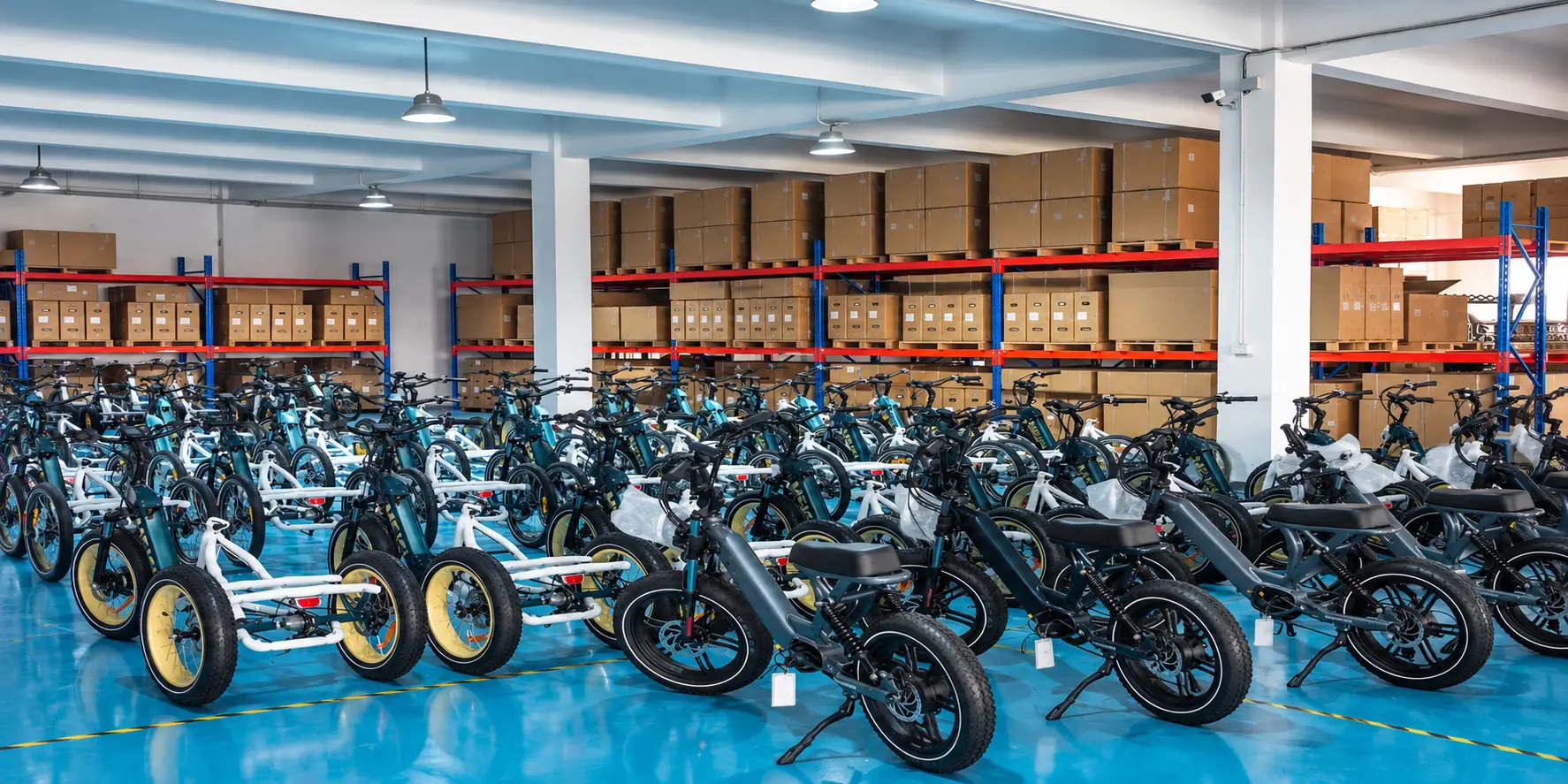 What Determines E-Bike Shipping Costs from China to Europe?The most effective ways to reduce e-bike shipping costs from China to Europe include optimizing export packaging, maximizing container utilization, selecting suitable freight methods, consolidating orders and planning shipments in advance.Fo
-
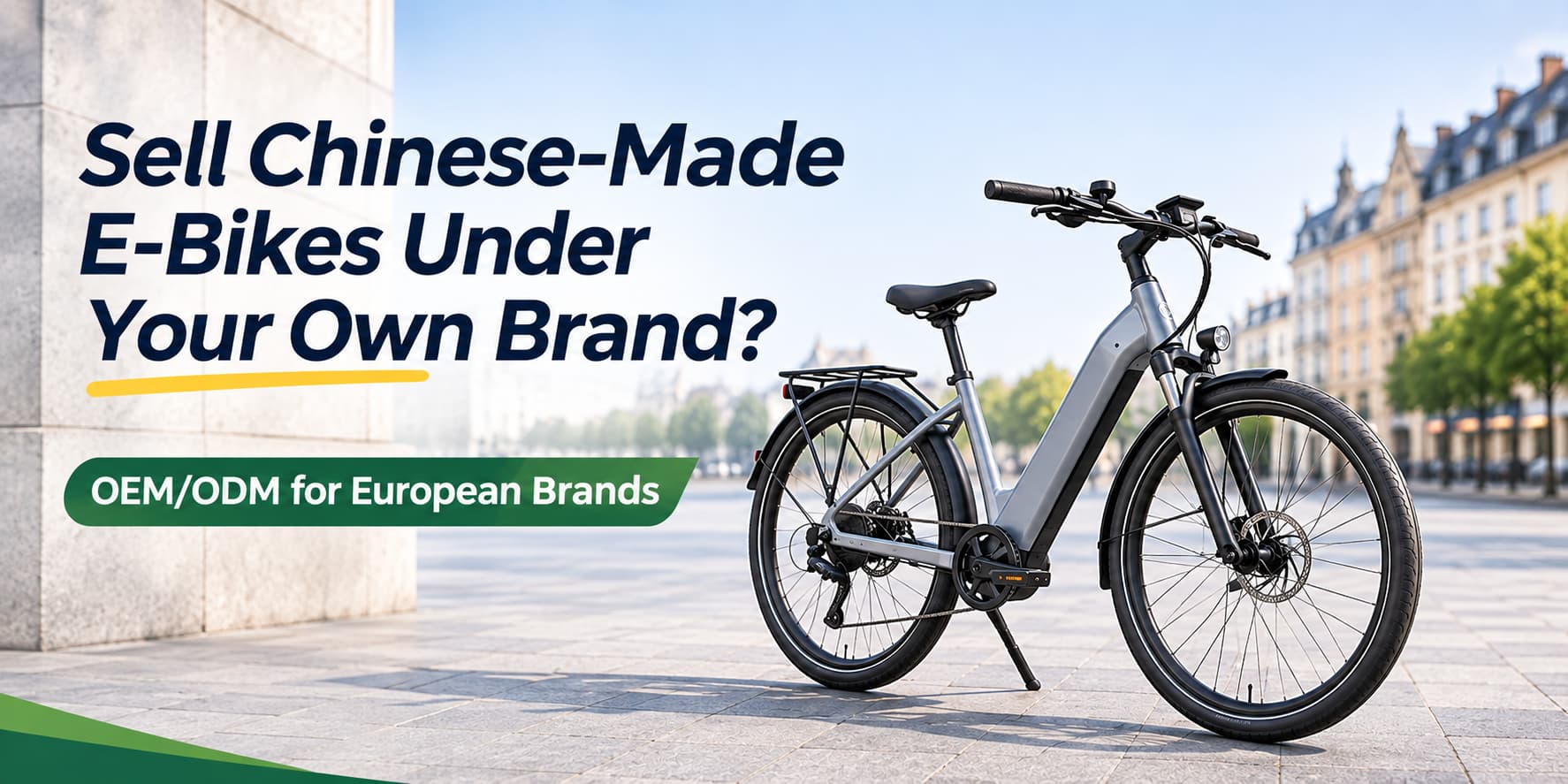 Yes, you can sell Chinese-made electric bikes under your own brand in Europe. Many European e-bike brands work with Chinese OEM and ODM manufacturers to develop private label electric bikes, customize components, and manage production costs.However, selling e-bikes under your own brand involves more
-
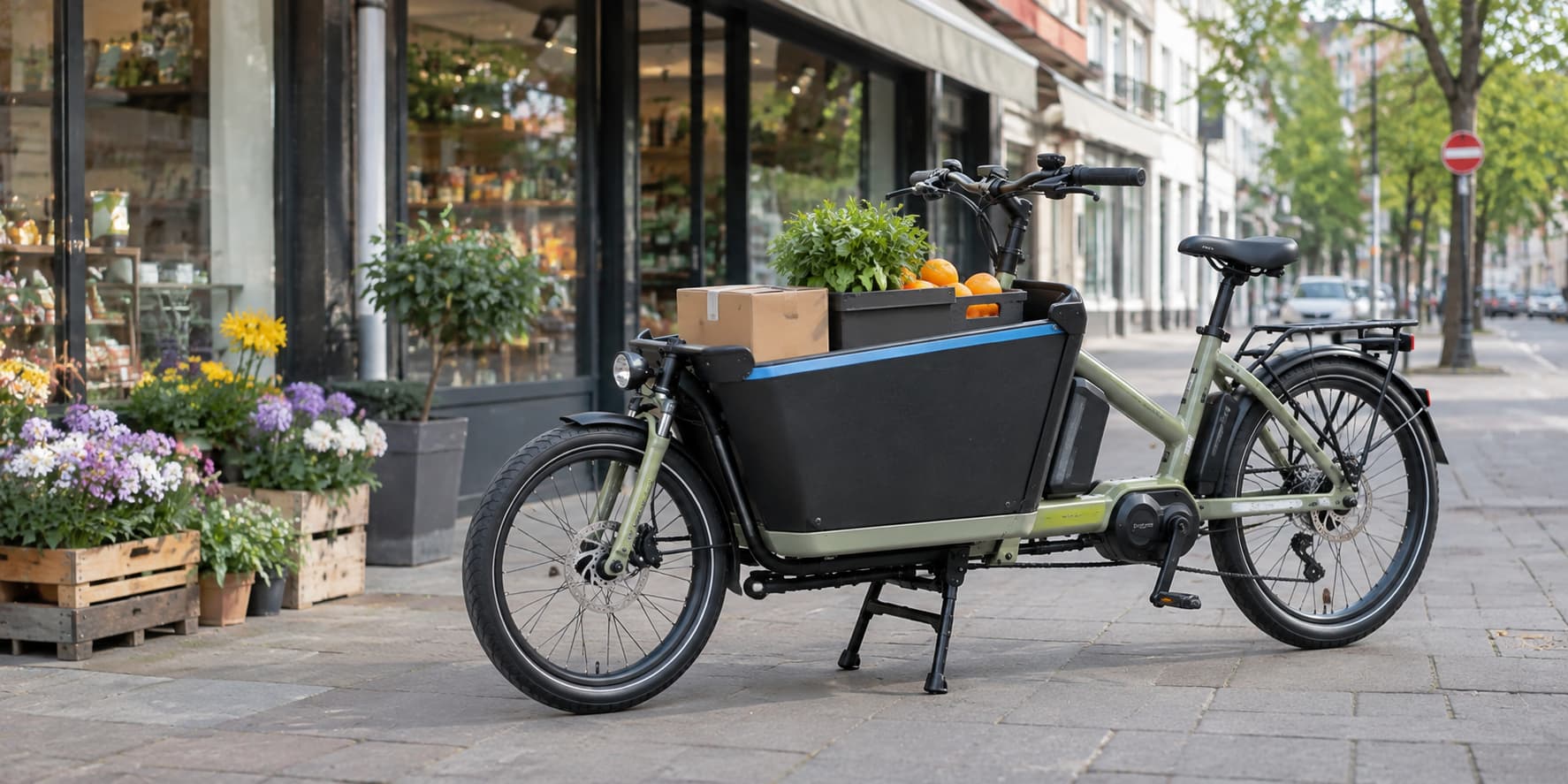 Electric cargo bikes are becoming a practical transport solution for small businesses across Europe. From last-mile deliveries and food distribution to retail logistics and mobile services, commercial electric cargo bikes help companies move goods efficiently while reducing fuel consumption, parking
