





Electric cargo bikes are becoming a practical transport solution for small businesses across Europe. From last-mile deliveries and food distribution to retail logistics and mobile services, commercial electric cargo bikes help companies move goods efficiently while reducing fuel consumption, parking costs, and urban delivery expenses.
However, choosing the right electric cargo bike requires more than comparing prices. Business buyers must consider payload capacity, battery range, motor performance, maintenance costs, and long-term reliability.
This B2B buying guide explains how to select electric cargo bikes for commercial use, compare different models, and find a suitable OEM/ODM manufacturer for fleet or wholesale purchasing.
Why Are Electric Cargo Bikes a Smart Choice for Small Businesses?
Electric cargo bikes offer a flexible alternative to traditional delivery vehicles, particularly for businesses operating in congested European cities.
Their main advantages include lower energy consumption, easier parking, reduced local emissions, and access to certain cycling routes where permitted.
Common commercial applications include:
Last-Mile Delivery: Transporting parcels and small packages in urban areas.
Food Delivery: Delivering meals, groceries, and catering supplies.
Retail Logistics: Moving inventory between nearby stores and warehouses.
Mobile Services: Carrying tools and equipment for maintenance or local services.
Local Distribution: Supporting short-distance deliveries without relying entirely on vans.
For businesses with frequent short-distance deliveries, electric cargo bikes can improve operational flexibility and reduce certain transport costs.
Which Type of Electric Cargo Bike Is Best for Your Business?
Different cargo bike designs serve different commercial purposes. Choosing the correct configuration is essential for delivery efficiency and rider safety.
Longtail Cargo E-Bikes for Light Deliveries
Trois vélos cargos intéressants chez Monty Bikes
Longtail electric cargo bikes feature extended rear racks designed to carry packages, equipment, or delivery boxes.
They are suitable for food delivery, courier services, and small retail businesses that need compact, maneuverable vehicles.
Their relatively narrow design also makes them practical for businesses with limited storage space.

Front-Loading Cargo Bikes for Urban Logistics
Mechanic Arts Flokkr - Elektrisk Lastesykkel 115Nm 800Wh | Mechanic Arts
Front-loading cargo bikes, often called Long John cargo bikes, position the cargo area between the handlebars and front wheel.
They provide more dedicated cargo space and are useful for transporting groceries, parcels, and bulky goods.
Businesses should evaluate the cargo box dimensions, handling characteristics, and maximum permitted load before purchasing.

Electric Cargo Trikes for Heavy Loads and Stable Transport
Electric cargo trikes use three wheels and are designed for applications where load capacity and stationary stability are important.
They can be suitable for larger delivery boxes, local distribution, and commercial operations requiring frequent loading and unloading.

However, cargo trikes are generally wider than two-wheel cargo bikes and may require more storage space.
Cargo Bike Type | Best Application | Main Advantage |
|---|---|---|
Longtail Cargo E-Bike | Food delivery, small parcels | Compact and maneuverable |
Front-Loading Cargo Bike | Retail, groceries, urban logistics | Larger cargo compartment |
Electric Cargo Trike | Bulkier goods, local distribution | Stable loading platform |
Key Specifications to Check Before Buying a Commercial Cargo E-Bike
For B2B buyers, technical specifications directly affect daily operating efficiency, safety, and long-term maintenance costs.
Payload Capacity and Maximum Gross Vehicle Weight
Cargo capacity is one of the most important purchasing factors.
Depending on the model, commercial electric cargo bikes may support payloads ranging from approximately 50 kg to more than 200 kg. Actual limits vary significantly by frame design, wheel configuration, and manufacturer.
Buyers should distinguish between cargo payload and maximum gross vehicle weight, which may include the bicycle, rider, cargo, and accessories.
Always confirm the manufacturer's rated limits rather than relying on general cargo bike capacity claims.
Motor Torque, Battery Capacity and Real-World Range
Most standard EU-compliant electrically assisted bicycles use motors with a maximum continuous rated power of 250 W and assistance that cuts off at 25 km/h.
For cargo applications, motor torque and gearing are especially important when carrying heavy loads or climbing hills.
Battery capacity commonly ranges from around 500 Wh to 1,000 Wh or more, depending on the configuration.
Actual riding range depends on:
Cargo weight and rider weight
Terrain and road conditions
Assistance level and riding speed
Battery capacity and temperature
Frequency of stops and starts
Businesses operating multiple delivery shifts should consider removable batteries or approved dual-battery systems where available.
Braking Systems, Frame Strength and Cargo Accessories
Commercial cargo bikes experience greater mechanical stress than ordinary commuter bicycles.
Buyers should prioritize reliable hydraulic disc brakes, robust frames, appropriate wheels and tires, and components rated for the intended total load.
Additional commercial accessories may include lockable cargo boxes, weatherproof covers, GPS tracking, reinforced racks, and integrated lighting.
How Much Does an Electric Cargo Bike Cost for a Small Business?
Electric cargo bike prices vary depending on the frame design, battery system, component quality, cargo accessories, and order quantity.
For budgeting purposes, commercial electric cargo bikes can range from a few thousand euros to significantly higher prices for specialized heavy-duty configurations. These are broad market planning ranges, not verified supplier quotations.
Purchase Price vs. Total Cost of Ownership
Businesses should compare the total cost of ownership (TCO), rather than focusing only on the initial purchase price.
TCO includes:
Vehicle purchase and cargo accessories
Electricity consumption
Routine maintenance and repairs
Battery replacement
Insurance and storage
Vehicle downtime and fleet management
Electric cargo bikes may offer lower operating costs than delivery vans on suitable urban routes, but the financial advantage depends on delivery volume, route length, payload, labor costs, and local regulations.
Maintenance, Battery Replacement and Operating Costs
Regular maintenance is essential for commercial fleets.
Brake pads, tires, chains, drivetrains, and batteries may require more frequent inspection under intensive delivery conditions.
B2B buyers should ask suppliers about spare parts availability, battery warranty terms, service documentation, and replacement component compatibility.
How to Choose Cargo E-Bikes for Different Business Applications
The best electric cargo bike depends on what the business transports, how frequently deliveries occur, and the operating environment.
Last-Mile Delivery and Courier Services
For parcel delivery and urban courier operations, buyers should prioritize maneuverability, secure cargo storage, reliable braking, and sufficient battery range.
Longtail and front-loading cargo bikes can be suitable for businesses making frequent stops in dense city centers.
Food Delivery, Retail and Mobile Businesses
Food delivery companies may prefer compact cargo e-bikes with insulated or weather-resistant delivery boxes.
Retailers and grocery businesses often require larger cargo compartments, while mobile service providers may need customized storage for tools and equipment.
Before selecting a model, businesses should evaluate actual package dimensions, daily delivery distance, and loading frequency.
What EU Regulations Apply to Commercial Electric Cargo Bikes?
European businesses should verify the applicable product regulations before importing or purchasing commercial electric cargo bikes.
CE Compliance, EN 15194 and Applicable Cargo Bike Standards
Standard electrically assisted bicycles generally fall within the EPAC framework when they meet the relevant conditions, including a maximum continuous rated motor power of 250 W and assistance cut-off at 25 km/h.
EN 15194 is an important European standard for electrically power-assisted cycles. Cargo bicycle safety requirements may also involve the EN 17860 series, depending on the vehicle category and configuration.
Manufacturers should determine the applicable legislation and standards for each model rather than assuming that one standard covers every commercial cargo bike.
Battery Safety, Documentation and Local Operating Rules
B2B buyers should request appropriate compliance documentation, product identification, battery safety information, and user manuals.
They should also check relevant EU battery requirements, transport documentation, and national or municipal rules.
Certain higher-powered or faster vehicles may fall into different regulatory categories and require additional approvals.
How to Choose an Electric Cargo Bike OEM/ODM Supplier
For European distributors, retailers, and fleet operators, selecting a reliable electric cargo bike manufacturer is essential for maintaining product consistency and controlling long-term costs.
Custom Branding, Cargo Configurations and Fleet Requirements
An experienced OEM/ODM supplier may offer customization options such as:
Private-label branding and frame colors
Battery and motor configurations
Cargo racks, boxes, and storage systems
Display units and compatible accessories
Packaging and fleet identification
Buyers should confirm which modifications are supported by the manufacturer's validated design and compliance documentation.
MOQ, Sample Testing, Lead Times and After-Sales Support
Before placing a wholesale electric cargo bike order, businesses should evaluate minimum order quantities, sample availability, production lead times, quality control procedures, and warranty support.
Sample testing is particularly valuable for checking loaded handling, real-world range, braking performance, and cargo compatibility.
Working directly with an electric cargo bike OEM manufacturer can also help buyers coordinate product customization, specifications, and production planning.
Electric Cargo Bike B2B Buying Checklist
Before purchasing commercial electric cargo bikes, use the following checklist to compare suppliers and models.
B2B Procurement Checklist
0 of 8 completed
Define the intended commercial application and delivery routes
Confirm cargo payload and maximum gross vehicle weight
Evaluate motor torque, battery capacity and loaded riding range
Check frame strength, braking systems and cargo dimensions
Calculate purchase and long-term operating costs
Verify applicable EU compliance documentation
Confirm OEM/ODM customization options and minimum order quantities
Review sample testing, warranty, spare parts and after-sales support
Copy Checklist
FAQs About Electric Cargo Bikes for Small Businesses
How Much Weight Can an Electric Cargo Bike Carry?
Cargo capacity varies by model. Some light-duty cargo e-bikes carry relatively small loads, while specialized commercial cargo bikes and trikes can accommodate substantially heavier payloads. Always check the manufacturer's rated cargo capacity and maximum gross vehicle weight.
How Far Can a Cargo E-Bike Travel on One Charge?
Range depends on battery capacity, cargo weight, terrain, weather, and assistance level. Commercial buyers should evaluate loaded range under realistic delivery conditions instead of relying only on advertised maximum range.
Are Electric Cargo Bikes Cheaper to Operate Than Delivery Vans?
They can be more economical for short-distance urban deliveries because of lower energy consumption, simpler parking, and potentially reduced maintenance costs. However, the result depends on delivery capacity, staffing, utilization, and route requirements.
Can Businesses Order Custom Electric Cargo Bikes in Bulk?
Yes. Many electric cargo bike OEM/ODM manufacturers support wholesale orders and selected customization options, including branding, colors, cargo accessories, and component configurations. Minimum order quantities and available modifications vary by supplier.
Conclusion: Finding the Right Electric Cargo Bike Supplier for Your Business
Electric cargo bikes provide a flexible transport option for small businesses, delivery operators, and urban logistics companies across Europe.
The right purchasing decision depends on matching the vehicle type with daily cargo requirements, evaluating technical specifications, understanding operating costs, and verifying product compliance.
For distributors, fleet operators, and private-label brands seeking a long-term manufacturing partner, working with an experienced OEM/ODM supplier can simplify product development and bulk procurement.
Nordvia supports European B2B buyers with electric bike OEM/ODM manufacturing solutions, customizable configurations, and factory-direct supply. Businesses exploring electric cargo bike sourcing can contact the Nordvia team to discuss their application requirements, specifications, and potential customization options.
RELATED NEWS
-
 Germany is one of Europe's important markets for electric cargo bikes, with growing applications in family transportation, urban commuting, and commercial delivery. From compact longtail e-bikes to heavy-duty cargo tricycles, manufacturers offer a wide range of solutions for different mobility needs
-
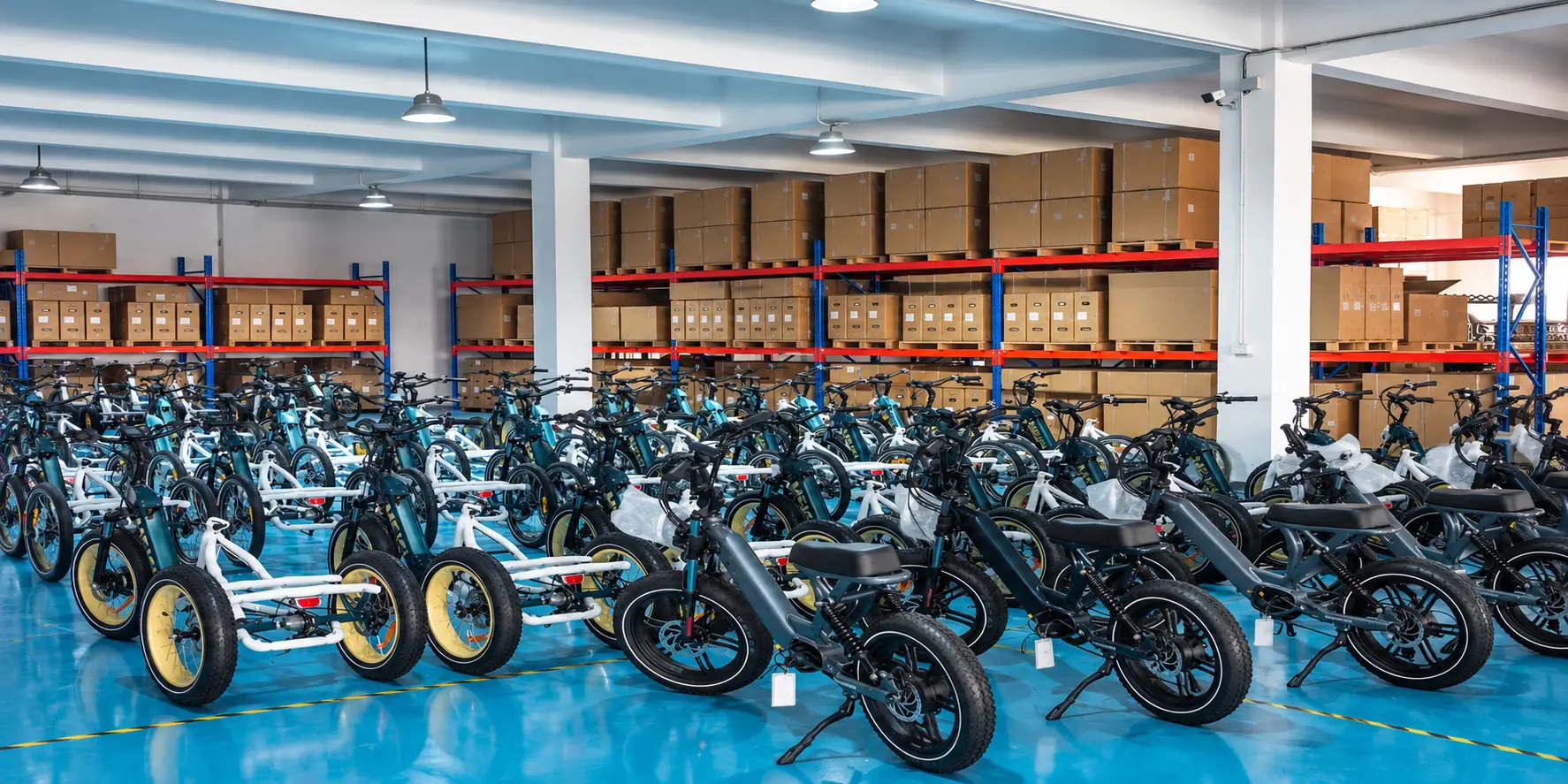 What Determines E-Bike Shipping Costs from China to Europe?The most effective ways to reduce e-bike shipping costs from China to Europe include optimizing export packaging, maximizing container utilization, selecting suitable freight methods, consolidating orders and planning shipments in advance.Fo
-
 Yes, you can sell Chinese-made electric bikes under your own brand in Europe. Many European e-bike brands work with Chinese OEM and ODM manufacturers to develop private label electric bikes, customize components, and manage production costs.However, selling e-bikes under your own brand involves more
