



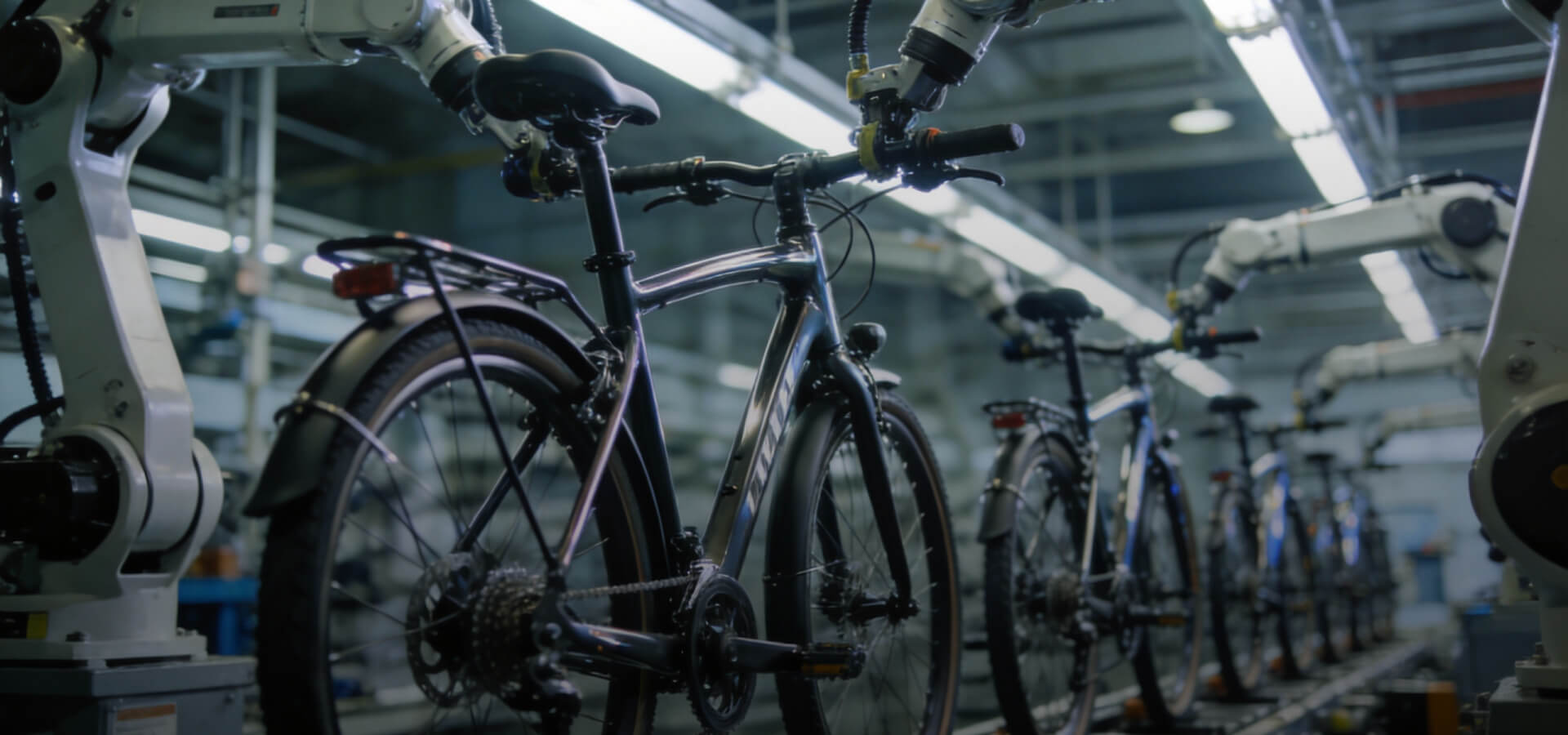

Yes, you can sell Chinese-made electric bikes under your own brand in Europe. Many European e-bike brands work with Chinese OEM and ODM manufacturers to develop private label electric bikes, customize components, and manage production costs.
However, selling e-bikes under your own brand involves more than adding a logo. European businesses must consider EU product compliance, import duties, battery regulations, product traceability, and after-sales responsibilities.
This guide explains how to import Chinese-made e-bikes, build your own electric bike brand, and select a reliable OEM manufacturing partner.
Can You Legally Sell Chinese-Made E-Bikes Under Your Own Brand in Europe?
Yes. European companies can legally import electric bikes manufactured in China and sell them under their own trademarks, provided the products meet applicable EU requirements.
There is no general prohibition on selling Chinese-manufactured electric bicycles under a European brand name.
However, businesses selling e-bikes under their own brands may assume the legal responsibilities of a manufacturer, even when production is outsourced to a Chinese factory.
Before launching your products, make sure that:
The electric bikes meet applicable EU safety and technical requirements.
Required conformity assessments and technical documentation are available.
The products carry the appropriate CE marking.
The manufacturer and other required economic operator information is provided.
Batteries and electrical components comply with relevant regulations.
Import duties, taxes, and customs requirements are addressed.
Working with an experienced Chinese e-bike OEM manufacturer can simplify product development and documentation preparation, but it does not eliminate the brand owner's legal responsibilities.
Private Label vs OEM vs ODM: Which E-Bike Business Model Is Best?
European businesses generally use three manufacturing models when sourcing electric bikes from China.
Manufacturing model | Customization level | Best suited for |
|---|---|---|
Private Label | Logo, colors, packaging | New brands and distributors |
OEM Manufacturing | Components, specifications, appearance | Established brands and wholesalers |
ODM Manufacturing | Existing designs with agreed modifications | Brands seeking faster development |
Private Label E-Bikes for New Brands
Private label manufacturing allows businesses to sell existing electric bike models under their own trademarks.
Typical customization includes brand logos, frame colors, decals, packaging, and selected accessories.
This approach is suitable for European startups, bicycle retailers, and distributors looking to introduce branded products without developing a completely new electric bike.
OEM E-Bike Manufacturing for Custom Specifications
OEM electric bike manufacturing provides greater control over product specifications.
European buyers can select or customize frames, motors, batteries, displays, braking systems, and other components according to their target markets.
OEM production is particularly suitable for brands developing city e-bikes, trekking e-bikes, folding electric bikes, and cargo bikes for European customers.
ODM E-Bikes for Faster Product Development
ODM manufacturing allows buyers to use a manufacturer's existing product design and engineering capabilities, with modifications agreed upon before production.
It can reduce development time compared with creating an entirely new model.
For many European distributors, combining an established frame platform with customized components and branding offers a practical balance between cost, development time, and product differentiation.
What EU Regulations Must Your Own-Brand E-Bikes Meet?
Compliance is one of the most important considerations when importing electric bikes from China into Europe.
CE Marking, EN 15194 and EU Declaration of Conformity
Electric bicycles sold in the EU must comply with applicable product legislation.
For conventional electrically power-assisted cycles, EN 15194 is an important European safety standard covering relevant electrical and mechanical requirements.
Depending on the product and applicable legislation, manufacturers must prepare technical documentation, perform the necessary conformity assessment, issue an EU Declaration of Conformity, and affix CE marking.
A test report or CE logo supplied by a factory is not sufficient by itself to demonstrate that every legal requirement has been fulfilled.
250W Motor and 25 km/h Pedal-Assist Requirements
For a conventional EU pedal-assist e-bike to fall within the relevant exclusion from EU motor-vehicle type approval, it must generally meet these conditions:
Maximum continuous rated motor power of 250W.
Motor assistance progressively reduces and cuts off before reaching 25 km/h.
Assistance stops when the rider stops pedaling, subject to applicable exceptions.
E-bikes outside this category may be subject to different vehicle approval, registration, and insurance requirements.
Battery Safety, Traceability and EU Battery Regulations
Electric bike batteries must meet applicable EU battery and product safety requirements.
European brands should pay particular attention to battery traceability, transport documentation, labeling, and the EU Batteries Regulation.
Under the EU Batteries Regulation, relevant light means of transport batteries are subject to battery passport requirements beginning in 2027.
Brands developing products for long-term European distribution should discuss battery documentation and traceability capabilities with their OEM suppliers early in the sourcing process.
Who Is Legally Responsible for E-Bikes Sold Under Your Brand?
When a European company places electric bikes on the market under its own name or trademark, it may be treated as the manufacturer for applicable product legislation.
This means the company must ensure that its products meet relevant requirements, even if manufacturing takes place in China.
A reliable OEM supplier should support the brand with technical files, testing information, component traceability, and production quality records.
However, the European brand owner must still understand and fulfill its own legal obligations.
What Import Duties Apply to Chinese E-Bikes in Europe?
Import duties can significantly affect the final cost of Chinese-made electric bikes sold in Europe.
European importers should calculate the total landed cost rather than comparing factory quotations alone.
Anti-Dumping and Countervailing Duties
The European Union maintains anti-dumping and countervailing duties on certain electric bicycles originating in China.
In January 2025, the European Commission extended these trade measures for another five years. The measures include anti-dumping duties and countervailing duties, with rates depending on the producer and applicable customs provisions.
Trade and Economic Security+2
Importers should verify the current rates using the relevant TARIC classification, manufacturer information, and customs documentation before placing orders.
Import rules also differ between the EU and the UK. Businesses selling in both markets should evaluate the requirements separately.
Can CKD or SKD Assembly Reduce Import Costs?
Some European brands consider importing electric bike components for local assembly through CKD (Completely Knocked Down) or SKD (Semi Knocked Down) arrangements.
Local assembly may offer advantages in logistics, quality control, and product configuration.
However, importing components separately does not automatically eliminate anti-dumping duties. Customs authorities may examine product classification, assembly arrangements, and applicable anti-circumvention rules.
European buyers should obtain professional customs advice before choosing a CKD or SKD import strategy.
Customs Classification, Origin and VAT
Importers must also consider customs classification, rules of origin, applicable ordinary customs duties, and import VAT.
The final landed cost may include:
Factory purchase price
International freight and insurance
Customs duties and applicable trade defence duties
Import VAT
Customs clearance and local transportation
Warehousing, assembly, and inspection
Understanding these costs helps European e-bike distributors establish realistic wholesale prices and profit margins.
What Can You Customize with a Chinese E-Bike OEM Factory?
Working with a Chinese OEM electric bike manufacturer allows European brands to develop products for different customer groups and regional markets.
Frame, Logo, Color and Packaging
Common private label customization options include:
Brand logos and frame decals
Custom frame colors and finishes
Branded cartons and user manuals
Saddles, handlebars, tires, and accessories
Frame geometry and design modifications, where supported
These options help distributors establish a consistent brand identity without necessarily developing a completely new bicycle platform.
Battery, Motor, Display and Components
OEM buyers may also customize technical specifications, including motor systems, battery capacity, displays, drivetrain components, and braking systems.
For example, European brands may develop:
E-Bike Type | Typical Target Market | Common OEM Priorities |
|---|---|---|
City E-Bikes | Urban commuters and retailers | Comfort, integrated lighting, removable battery |
Trekking E-Bikes | Touring and leisure riders | Battery range, drivetrain, riding comfort |
Folding E-Bikes | Urban mobility and compact storage | Folding mechanism, weight, portability |
Cargo E-Bikes | Delivery companies and families | Load capacity, frame strength, braking performance |
Electric Tricycles | Mobility and utility applications | Stability, accessibility, carrying capacity |
Any modification affecting safety, electrical systems, or performance should be assessed for its impact on product conformity.
How Much Does It Cost to Launch a Private Label E-Bike Brand?
The cost of starting an electric bike brand depends on the product category, customization requirements, order quantity, and destination market.
MOQ, Samples and Manufacturing Costs
Private label production using existing electric bike platforms generally requires less development investment than creating a completely new model.
However, minimum order quantities vary by factory, frame design, components, and customization level.
Before confirming an order, European buyers should request a detailed OEM quotation covering:
Electric bike model and technical specifications
Minimum order quantity (MOQ)
Sample availability and pricing
Branding and customization charges
Production lead time
Payment terms and Incoterms
Testing and documentation support
Sample testing is particularly important before launching a new branded electric bike product.
Shipping, Import Duties and After-Sales Costs
The factory price represents only one part of the total investment.
European businesses should also budget for shipping, customs clearance, compliance assessment, spare parts, warranty service, and local distribution.
A lower manufacturing quotation does not always result in a lower total cost.
For long-term profitability, brands should prioritize consistent product quality, reliable component supply, and efficient after-sales support.
How to Choose a Reliable Chinese E-Bike OEM Manufacturer
Choosing the right manufacturing partner is essential when building a private label electric bike brand in Europe.
A reliable OEM supplier should offer more than competitive factory pricing.
European buyers should evaluate the following capabilities:
Manufacturing Experience: Assess production facilities, quality control procedures, and experience supplying European markets.
Customization Capabilities: Confirm whether the factory can support branding, component selection, frame modifications, and packaging.
Compliance Support: Request relevant test reports, technical documentation, component information, and traceability records.
Production Flexibility: Discuss MOQ requirements, sample development, production schedules, and repeat orders.
After-Sales Support: Check spare parts availability, warranty procedures, technical assistance, and replacement component compatibility.
Whenever possible, conduct a factory audit or third-party inspection before committing to large-volume production.
Step-by-Step: Launch Your Own E-Bike Brand in Europe
Launching a private label electric bike business becomes easier when the sourcing and development process is clearly structured.
Define Your Target Market
Identify your customers, preferred price range, distribution channels, and electric bike categories.
Select an OEM or ODM Manufacturer
Compare factory capabilities, available models, customization options, and compliance support.
Confirm Product Specifications
Finalize the motor, battery, frame, components, branding, and packaging requirements.
Order and Evaluate Samples
Test riding performance, component quality, durability, and suitability for your target market.
Complete Compliance and Import Preparation
Verify applicable conformity requirements, technical documentation, labeling, customs classification, and import costs.
Start Production and Quality Inspection
Approve production samples and arrange quality checks before shipment.
Launch Your Brand and After-Sales Network
Prepare your distribution channels, spare parts inventory, warranty process, and customer support.
Why Work with Nordvia for Private Label E-Bike Manufacturing?
Nordvia supports European businesses looking to develop private label and OEM electric bike product lines through manufacturing and customization services.
Our solutions are designed for e-bike brands, wholesalers, importers, and distributors seeking reliable production partnerships.
We offer a range of electric bike categories, including city e-bikes, trekking e-bikes, folding e-bikes, cargo e-bikes, and electric tricycles.
Depending on the model and project requirements, customization options can include frame colors, logos, battery systems, motors, displays, accessories, and packaging.
Our focus is to help European partners develop electric bike products suited to their target markets while supporting efficient sourcing, product development, and long-term supply.
Looking to launch your own electric bike brand in Europe?
Contact Nordvia to discuss your OEM/ODM requirements, available models, customization options, and project quotation.
FAQ: Selling Chinese-Made E-Bikes Under Your Own Brand in Europe
Can I Put My Own Logo on Chinese-Made Electric Bikes?
Yes. Many Chinese electric bike manufacturers offer private label services, including customized logos, frame colors, decals, and packaging. However, the brand owner must ensure that the finished product meets applicable European regulations.
Do Private Label E-Bikes Need CE Certification?
Electric bikes subject to applicable EU CE-marking legislation must meet the relevant conformity requirements. The responsible manufacturer must complete the required conformity assessment and documentation. CE marking is not simply a certificate purchased from a testing company.
Can I Import E-Bikes from China Without Paying Anti-Dumping Duties?
Whether anti-dumping duties apply depends on the product, origin, customs classification, producer, and relevant trade measures. Simply changing the brand name or importing components separately does not automatically remove these obligations.
What Is the Minimum Order Quantity for OEM E-Bikes?
MOQ varies depending on the manufacturer, electric bike model, and customization requirements. Standard private label models may have different order requirements from fully customized OEM designs.
Can a Chinese Manufacturer Provide Compliance Documentation?
Yes. Experienced electric bike OEM manufacturers may provide relevant testing information, technical documentation, and component records. European brand owners should verify that these documents are applicable to the actual products being imported and sold.
Is It Better to Use OEM or ODM for a New E-Bike Brand?
ODM or private label production is often more practical for new brands seeking shorter development times. OEM manufacturing is generally better suited to businesses requiring more extensive customization and differentiated product specifications.
RELATED NEWS
-
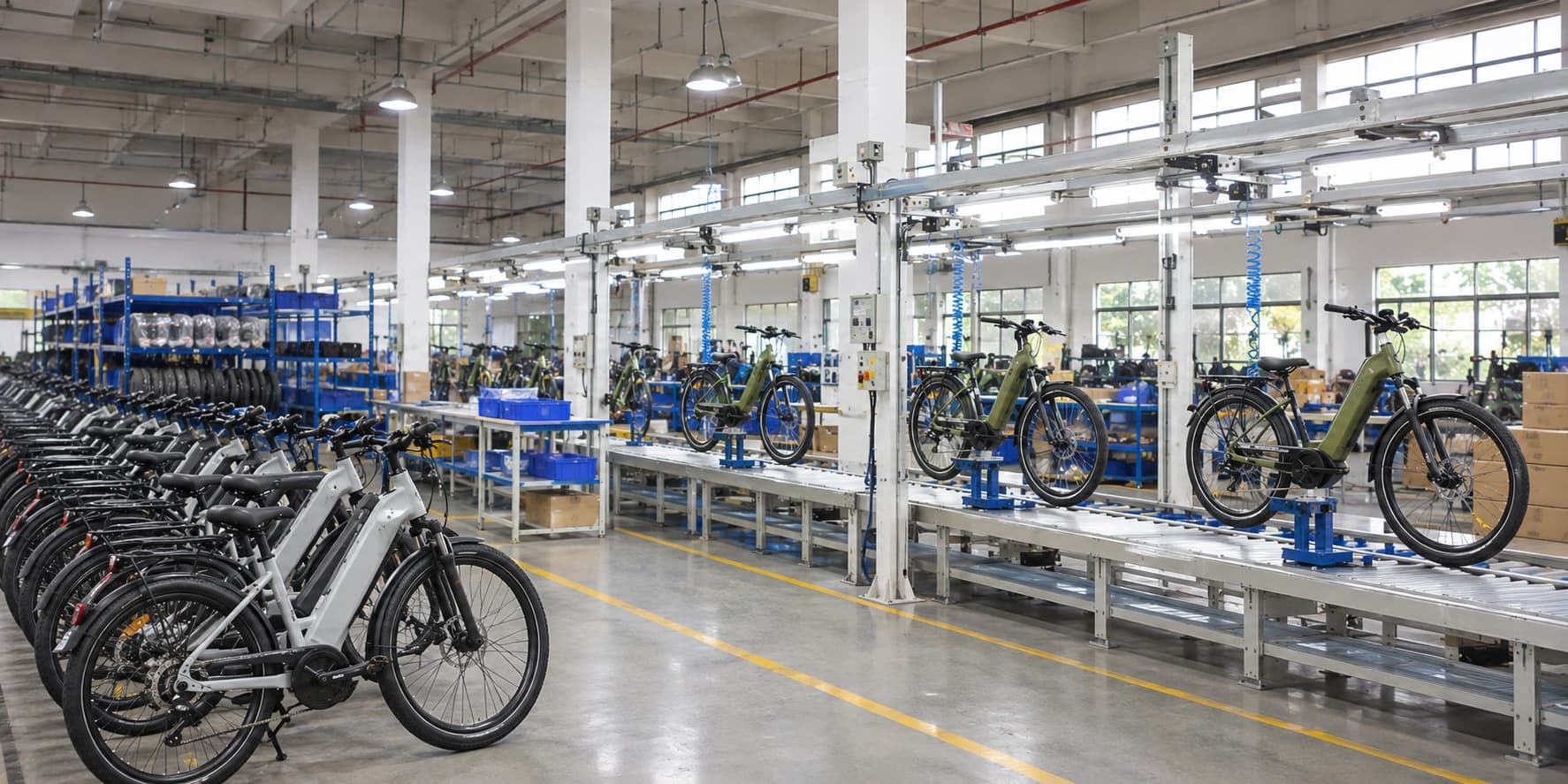 What Is the Difference Between an E-Bike Factory and a Trading Company?Choosing between an e-bike factory and a trading company can significantly affect purchasing costs, product quality, customization flexibility and long-term profitability.An e-bike factory manufactures electric bicycles and typic
-
 Why Germany Is Home to Some of Europe's Best E-Bike Brands Germany is widely recognized as the center of Europe's e-bike industry. Home to world-class component suppliers such as Bosch, Pinion, and Rohloff, Germany has built a strong reputation for engineering quality, innovation, and product reliab
-
 Spain is becoming an increasingly attractive market for electric bikes. From daily commuting in Madrid and Barcelona to coastal routes, mountain trails and weekend touring, e-bikes offer a practical way to travel farther with less effort.The Spanish market also has a strong mix of local and European
