



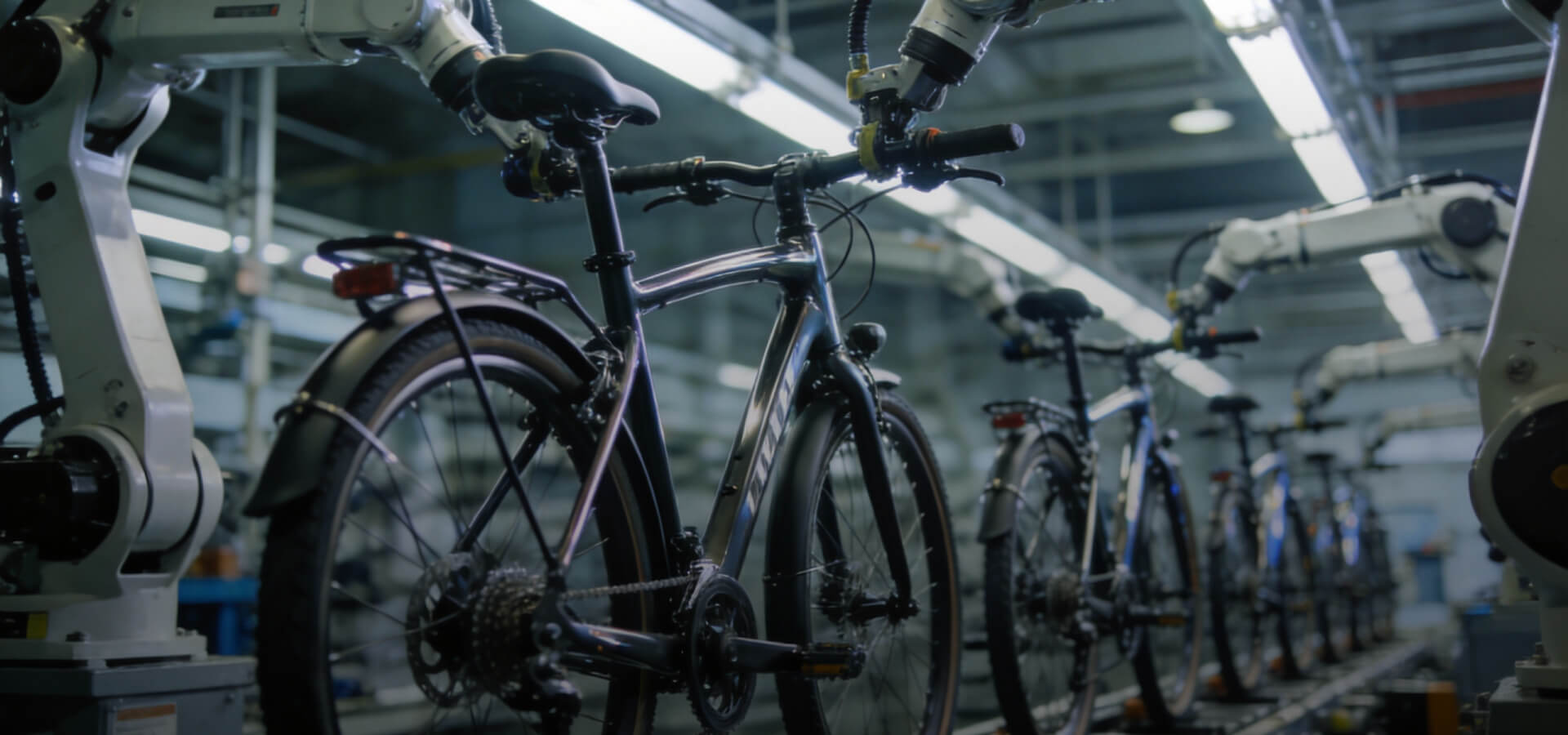

What Determines E-Bike Shipping Costs from China to Europe?
The most effective ways to reduce e-bike shipping costs from China to Europe include optimizing export packaging, maximizing container utilization, selecting suitable freight methods, consolidating orders and planning shipments in advance.
For European e-bike importers, distributors, wholesalers and private-label brands, efficient logistics management can reduce total landed costs and improve profit margins.
Electric bike shipping costs mainly depend on six factors:
Order quantity: Larger shipments can distribute fixed logistics costs across more units.
Packaging dimensions: Carton size directly affects shipment volume and container utilization.
Product weight and dimensions: Different e-bike models have different transportation requirements.
Lithium battery requirements: Battery transportation may involve additional documentation, handling and surcharges.
Shipping method: Sea, air and rail freight differ in cost and delivery time.
Destination and season: Shipping routes, port charges and seasonal demand influence freight rates.
Importers should evaluate the total shipping cost per e-bike rather than simply comparing international freight rates.

Choose the Most Cost-Effective E-Bike Shipping Method
Sea freight is generally the most economical shipping method for bulk electric bike orders from China to Europe. Air and railway freight may be suitable for time-sensitive shipments, depending on route availability and battery transportation restrictions.
Shipping Method | Relative Cost | Transit Speed | Best For |
|---|---|---|---|
Sea Freight – FCL | Low per unit when well loaded | Slow | Bulk wholesale orders |
Sea Freight – LCL | Variable | Slow | Small wholesale orders |
Railway Freight | Medium to high | Medium | Inventory replenishment |
Air Freight | High | Fast | Samples and urgent orders |
Actual transportation costs and transit times depend on the destination, carrier, shipment configuration and market conditions.
FCL vs LCL Shipping for Electric Bikes
Full Container Load (FCL) shipping allows importers to use an entire container, providing greater control over loading arrangements and handling.
Less than Container Load (LCL) shipping allows buyers to share container space with other shipments. It is suitable for smaller orders but may involve additional consolidation, handling and destination charges.
FCL is generally more cost-effective for established distributors with stable purchasing volumes, while LCL can help new importers reduce initial investment and inventory risks. Battery acceptance should be confirmed with the freight forwarder for either option.
Reduce E-Bike Shipping Costs Through Packaging Optimization
Electric bikes are relatively bulky products. Optimizing carton dimensions and internal packaging arrangements can reduce shipment volume and improve container loading efficiency.
OEM e-bike manufacturers can evaluate whether selected components, such as handlebars, pedals, front wheels and saddles, can be removed or repositioned to achieve more compact export packaging.
Fully Assembled vs SKD vs CKD Packaging
Packaging Method | Potential Shipping Volume | Local Assembly Requirements | Suitable Buyers |
|---|---|---|---|
Mostly Assembled | Higher | Minimal | Retailers and distributors |
SKD (Semi-Knocked Down) | Lower | Partial assembly | Importers and wholesalers |
CKD (Completely Knocked Down) | Potentially lowest | Extensive assembly | Local assembly businesses |
SKD packaging can offer a practical balance between shipping efficiency and local assembly requirements.
However, compact packaging should not compromise frame protection, electrical components or battery safety. Importers must also consider local labor costs, assembly capabilities and quality control.
SKD and CKD shipping arrangements must comply with applicable customs classification and import regulations and should not be treated as methods of avoiding import duties.
Maximize Container Loading Efficiency
Improving container utilization is an effective way to reduce shipping costs per electric bike, particularly for FCL shipments.
The most commonly considered container types for bulk electric bike transportation include:
Container Type | Typical Application |
|---|---|
20ft Container | Smaller bulk orders |
40ft Container | Medium to large wholesale orders |
40HQ Container | Large-volume orders requiring additional loading space |
The actual number of electric bikes that can fit inside a container depends on:
Carton dimensions and gross weight
E-bike model and frame design
Container dimensions and payload limits
Packaging strength and stacking restrictions
Loading arrangements and cargo securing requirements
For importers purchasing multiple electric bike models, consolidating products with compatible packaging dimensions may help improve container utilization.
Before confirming an OEM order, buyers should request detailed carton specifications and a proposed container loading plan from their supplier.
How Much Can E-Bike Shipping Costs Be Reduced?
Packaging optimization and improved container utilization can reduce logistics costs per unit. The following hypothetical examples demonstrate how these savings can be calculated.
Example 1: Reduce E-Bike Packaging Volume
Assume an electric bike importer orders 100 units and evaluates two different packaging configurations.
Item | Standard Packaging | Optimized Packaging |
|---|---|---|
Carton Dimensions | 150 × 30 × 85 cm | 140 × 28 × 80 cm |
Volume per E-Bike | 0.3825 m³ | 0.3136 m³ |
Order Quantity | 100 units | 100 units |
Total Shipment Volume | 38.25 m³ | 31.36 m³ |
Volume Reduction | — | 18.01% |
The carton volume calculation formula is:
Carton Volume (CBM) = Length (m) × Width (m) × Height (m)
E-Bike Packaging Volume Comparison
Hypothetical example – 100 electric bikes
Standard Packaging
38.25 m³
Optimized Packaging
31.36 m³
Volume Saved
6.89 m³
Volume Reduction
18.01%
In this hypothetical example, packaging optimization reduces total shipment volume by approximately 18%. However, the actual freight savings depend on the transportation method, loading arrangements and freight pricing structure.

Example 2: Reduce Shipping Costs per E-Bike
The shipping cost per electric bike can be calculated using the following formula:
Shipping Cost per E-Bike = Total Shipment Logistics Cost ÷ Number of E-Bikes
Assuming both loading arrangements are feasible and the total logistics cost remains unchanged:
Item | Standard Loading | Optimized Loading |
|---|---|---|
Total Logistics Cost | $5,000 | $5,000 |
Loading Quantity | 100 units | 120 units |
Shipping Cost per E-Bike | $50.00 | $41.67 |
Unit Cost Savings | — | $8.33 |
Cost Reduction | — | 16.67% |
Increasing the hypothetical shipment quantity from 100 to 120 units reduces the shipping cost per e-bike by approximately 16.7%, provided the total logistics cost remains unchanged.
Note: These calculations are illustrative examples only. Packaging dimensions, loading quantities and freight costs are hypothetical and do not represent verified factory data, actual freight quotations or guaranteed container loading capacities.
Optimize Lithium Battery Shipping and Documentation
Electric bikes contain lithium-ion batteries that are subject to dangerous goods transportation regulations.
Incorrect battery classification, incomplete documentation or unsuitable packaging may result in additional charges, shipment delays or carrier rejection.
Depending on the shipment configuration and transportation method, relevant documents may include:
UN 38.3 battery test summary
Battery technical specifications
Safety Data Sheet (SDS), where requested
Dangerous goods declaration, where applicable
Commercial invoice and packing list
Relevant battery packaging and transportation documentation
Batteries installed in electric bikes and batteries shipped separately may be subject to different transportation classifications and carrier requirements.
Importers should work with their OEM electric bike manufacturer and qualified freight forwarder to confirm compliance with applicable maritime, air or railway transportation regulations before shipment.
Choose the Right Incoterms and Freight Forwarder
Selecting suitable Incoterms helps electric bike importers understand their transportation responsibilities, logistics expenses and import obligations.
Incoterm | Main Transportation Arrangement | Import Clearance and Duties |
|---|---|---|
EXW | Buyer | Buyer |
FCA | Buyer | Buyer |
FOB | Buyer | Buyer |
CIF | Seller, including specified insurance | Buyer |
DAP | Seller | Buyer |
DDP | Seller | Seller |
FCA and FOB are commonly considered by importers who work with their own freight forwarders. FCA is generally more appropriate for containerized cargo handed over to a carrier before vessel loading.
When comparing freight forwarder quotations, buyers should consider the complete logistics cost, including origin charges, international freight, battery-related surcharges, destination port charges, customs brokerage, cargo insurance and inland transportation.
A lower ocean freight quotation does not necessarily result in a lower door-to-door shipping cost.
For detailed trade responsibilities and risk transfer requirements, refer to the official ICC Incoterms® Rules.
Plan E-Bike Orders and Shipments in Advance
Effective procurement and inventory planning can help European e-bike distributors reduce unnecessary shipping expenses.
Importers can optimize logistics costs by consolidating multiple purchase orders, coordinating production schedules, booking shipping space in advance and avoiding unnecessary urgent shipments.
Small MOQ orders are suitable for testing new models and entering new markets, while bulk container orders can offer lower logistics costs per unit when supported by sufficient demand.
However, purchasing larger quantities solely to reduce freight costs may increase inventory pressure, warehouse expenses and financial risks.
The most cost-effective procurement strategy balances shipping expenses, inventory turnover, market demand and cash flow.
Understand E-Bike Import Duties and Total Landed Costs in Europe
International shipping represents only one part of the total cost of importing electric bikes from China to Europe.
European importers must also evaluate applicable customs duties, anti-dumping duties, countervailing duties, import VAT and local logistics expenses.
The simplified landed cost formula is:
Total Landed Cost = Product Cost + Logistics Costs + Applicable Import Duties + Non-Recoverable Taxes + Other Import Costs
Cost Component | Description |
|---|---|
Product Cost | OEM electric bike purchase price |
International Freight | Sea, air or railway transportation |
Cargo Insurance | Transportation risk protection |
Import Duties | Applicable customs and trade remedy duties |
Import VAT | Subject to local tax and recovery rules |
Customs Clearance | Brokerage and documentation |
Inland Transportation | Delivery to the destination warehouse |
Local Assembly | Assembly, inspection and preparation, where required |
Recoverable import VAT may not represent a permanent landed cost, but it should still be considered when planning cash flow.
EU importers should verify applicable electric bike import duties through the EU TARIC Database, as duty rates may vary depending on product classification, country of origin and manufacturer.
The United Kingdom operates under a separate customs and trade policy framework. UK importers should check the applicable requirements through the UK Trade Tariff.
Evaluating total landed costs rather than freight charges alone helps importers make more informed purchasing decisions.
How an OEM E-Bike Manufacturer Can Help Reduce Shipping Costs
Logistics optimization should begin during the product development and procurement stages rather than after production is completed.
When selecting an OEM/ODM electric bike manufacturer, European buyers should evaluate the supplier's ability to support:
Customized electric bike export packaging
SKD and CKD packaging options
Carton dimension and gross weight evaluation
Mixed-model container loading plans
Flexible MOQ and bulk order planning
Battery transportation documentation
Production and shipment coordination
Nordvia focuses on OEM/ODM electric bike solutions for European importers, distributors, wholesalers and private-label brands, covering city e-bikes, commuter e-bikes, folding e-bikes, trekking e-bikes and cargo e-bikes.
Buyers can discuss product specifications, packaging requirements, expected order quantities and delivery schedules during the quotation stage to identify suitable procurement and transportation solutions.
Frequently Asked Questions
What is the cheapest way to ship electric bikes from China to Europe?
Sea freight is generally the most economical option for bulk electric bike shipments. FCL shipping with optimized packaging and efficient container utilization can help reduce transportation costs per unit.
How much does it cost to ship an electric bike from China to Europe?
Shipping costs depend on order quantity, carton dimensions, product weight, battery configuration, shipping method, destination and current freight rates. Importers should request shipment-specific quotations to determine the actual cost per unit.
How many electric bikes can fit in a 40HQ container?
There is no fixed loading quantity. Actual container capacity depends on carton dimensions, product weight, stacking restrictions and loading arrangements. Buyers should request a model-specific container loading plan from their supplier.
Is FCL or LCL better for electric bike shipping?
FCL is generally more economical for large orders with high container utilization, while LCL is suitable for smaller wholesale orders and initial market testing.
Can electric bikes be shipped with lithium batteries installed?
Yes, provided the shipment complies with applicable dangerous goods transportation regulations, battery testing requirements, packaging standards and carrier acceptance policies.
Does SKD packaging reduce e-bike shipping costs?
SKD packaging can reduce shipment volume and improve container loading efficiency. However, buyers should also consider local assembly costs, product protection and customs classification requirements.
How can European e-bike importers reduce total landed costs?
Importers can optimize landed costs through competitive OEM sourcing, efficient packaging, container utilization, order consolidation, appropriate Incoterms and accurate customs compliance.
Conclusion
Reducing e-bike shipping costs from China to Europe requires a comprehensive approach that combines packaging optimization, efficient container loading, suitable freight methods, battery transportation compliance and effective procurement planning.
By working with an experienced OEM/ODM electric bike manufacturer, European importers can identify opportunities to improve logistics efficiency, control total landed costs and strengthen long-term profitability.
Looking for a cost-effective OEM electric bike supply solution? Contact Nordvia to discuss your product requirements, packaging options and wholesale order plans.
RELATED NEWS
-
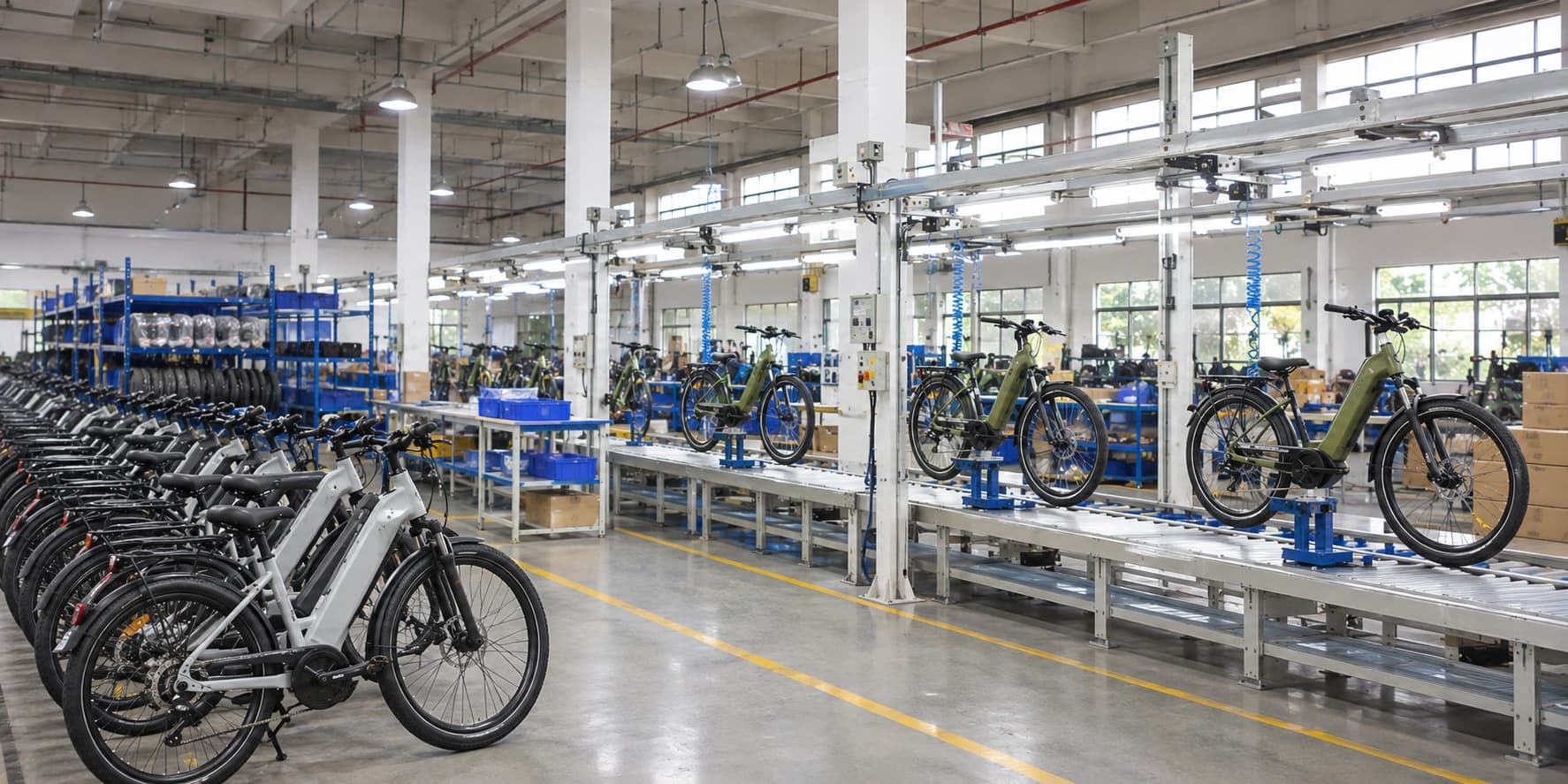 What Is the Difference Between an E-Bike Factory and a Trading Company?Choosing between an e-bike factory and a trading company can significantly affect purchasing costs, product quality, customization flexibility and long-term profitability.An e-bike factory manufactures electric bicycles and typic
-
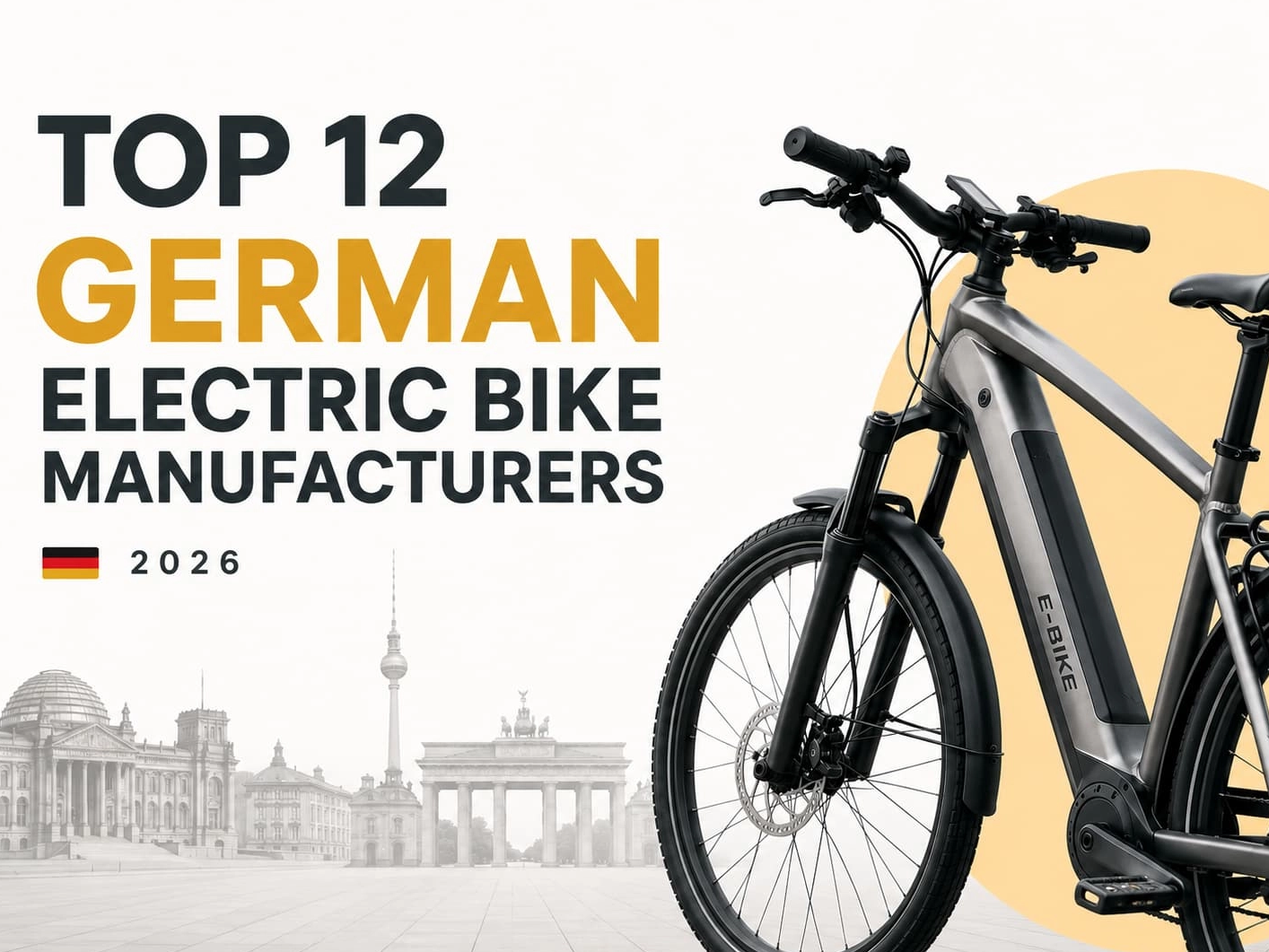 Why Germany Is Home to Some of Europe's Best E-Bike Brands Germany is widely recognized as the center of Europe's e-bike industry. Home to world-class component suppliers such as Bosch, Pinion, and Rohloff, Germany has built a strong reputation for engineering quality, innovation, and product reliab
-
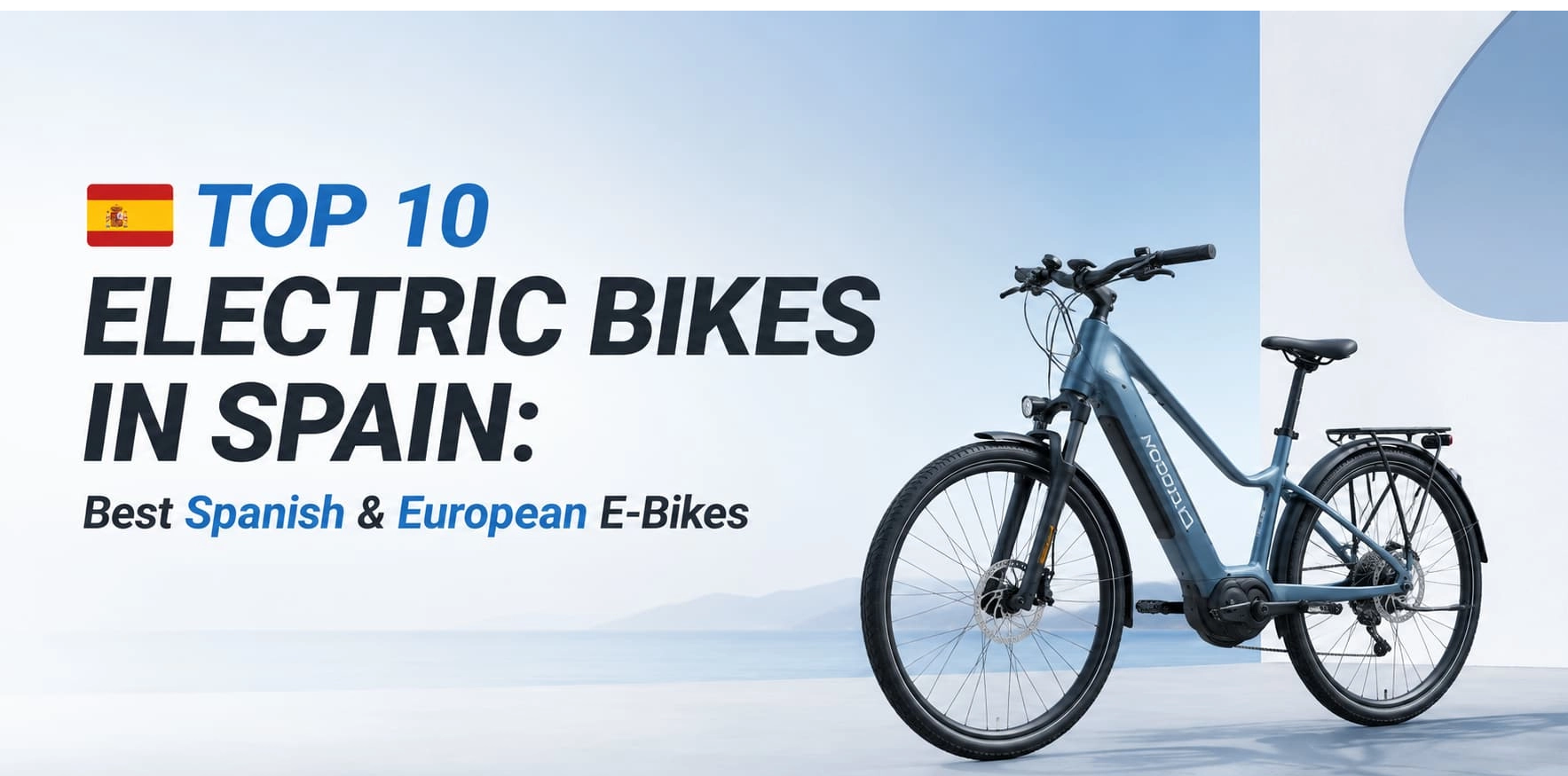 Spain is becoming an increasingly attractive market for electric bikes. From daily commuting in Madrid and Barcelona to coastal routes, mountain trails and weekend touring, e-bikes offer a practical way to travel farther with less effort.The Spanish market also has a strong mix of local and European
