




Choosing between step-through and step-over e-bikes is an important decision for European electric bike dealers, distributors, and wholesale buyers. While both frame styles serve different customer needs, their sales potential depends on riding preferences, local demand, and intended applications.
For dealers, understanding these differences can help build a more competitive product range, reduce inventory risks, and improve customer satisfaction.
Step-Through vs Step-Over E-Bikes: Key Differences
The main difference between step-through and step-over electric bikes is their frame design.
Step-through e-bikes feature a low-entry frame that allows riders to get on and off without lifting their legs over a high top tube. This design is especially convenient for urban commuting, frequent stops, and everyday transportation.
Step-over e-bikes use a traditional frame with a higher top tube. Their design is commonly associated with trekking, sport-oriented riding, and recreational cycling.
Both frame styles can offer reliable performance when properly engineered. The better choice depends on the target customer and riding environment.
Which E-Bike Frame Style Sells Better in Europe?
There is no universal winner between step-through and step-over e-bikes. Sales performance varies by country, customer demographics, bicycle category, and retail positioning.
Why Step-Through E-Bikes Appeal to Urban Commuters
Step-through electric bikes are well suited to everyday transportation. Their accessible frame design makes mounting and dismounting easier, particularly for riders who frequently stop in urban traffic.
They are attractive to customers looking for:
Comfortable daily commuting
Easy mounting and dismounting
Practical city transportation
Leisure and recreational cycling
Convenient mobility for different age groups
For dealers focusing on urban mobility, step-through models can be an important part of their product range.
Where Step-Over E-Bikes Have a Sales Advantage
Step-over electric bikes remain relevant in trekking, sport, and recreational categories.
Their traditional frame geometry appeals to riders who prefer a sportier appearance or a particular riding position. Depending on the design, the conventional frame triangle can also provide structural advantages.
Step-over models are often suitable for:
Trekking and touring
Sport-oriented commuting
Recreational cycling
Mixed-terrain riding
Customers who prefer traditional bicycle frames
Why Sales Performance Varies by Market
European e-bike demand is not identical across countries or customer segments.
Urban-focused retailers may find stronger demand for accessible city e-bikes, while dealers specializing in trekking or performance-oriented models may benefit from a different product mix.
Rather than assuming one frame style sells better everywhere, dealers should evaluate local customer preferences, existing sales records, competitor assortments, and seasonal demand.
Step-Through vs Step-Over E-Bikes: Comparison for Dealers
Feature | Step-Through E-Bikes | Step-Over E-Bikes |
|---|---|---|
Frame Design | Low-entry frame | Traditional high top tube |
Mounting Convenience | Easier | Requires higher leg lift |
Typical Applications | City, commuting, rental | Trekking, sport, touring |
Customer Appeal | Comfort and accessibility | Sporty styling and traditional design |
Frame Rigidity | Depends on engineering | Traditional triangle can offer structural advantages |
Retail Positioning | Everyday mobility | Active and recreational riding |
Neither frame style is automatically better in terms of quality, durability, or performance. Motor systems, battery capacity, frame engineering, and component selection also influence the overall riding experience.
Which Frame Style Is Best for Different Customer Groups?
City Commuters and Everyday Riders
Step-through e-bikes are often a practical choice for city commuters because they support easy mounting and comfortable daily use.
Models equipped with upright handlebars, integrated lights, rear racks, and removable batteries can be particularly attractive to customers using electric bikes for transportation.
Trekking and Sport-Oriented Riders
Step-over electric bikes are a strong option for customers interested in trekking, longer recreational rides, and sport-oriented cycling.
Dealers targeting these customers should consider frame geometry, battery range, motor performance, suspension, and riding comfort rather than focusing on frame style alone.
Rental Companies and Commercial Fleets
Step-through electric bikes can be particularly useful for rental fleets because their accessible frame design accommodates a broad range of riders.
However, rental operators should also evaluate frame size coverage, maintenance requirements, battery management, spare parts availability, and overall fleet durability.
What Should European E-Bike Dealers Stock?
Selecting the right electric bike inventory requires more than choosing between step-through and step-over frames.
Choosing the Right Product Mix
Dealers serving general urban customers may prioritize step-through city e-bikes, while retailers focused on trekking and recreational cycling may allocate more inventory to step-over models.
Offering both styles can help dealers reach a wider customer base without relying on a single product category.
Matching Frame Styles to Local Demand
Before placing wholesale orders, dealers should consider:
Customer preferences and riding habits
Local commuting and cycling infrastructure
Popular electric bike categories
Retail price expectations
Competitor product ranges
Historical sales and customer inquiries
These factors provide a stronger basis for inventory planning than frame style alone.
Testing Demand Before Bulk Orders
For new markets or product launches, sample testing can help dealers evaluate customer interest before committing to larger orders.
Retailers can compare customer feedback, test-ride conversion rates, and actual sales performance across different frame styles.
This approach can reduce purchasing risks and support more informed wholesale decisions.
OEM/ODM Considerations for Step-Through and Step-Over E-Bikes
For European distributors and private-label brands, choosing an electric bike frame is only one part of the sourcing process.
Working with an experienced electric bike OEM/ODM manufacturer allows buyers to develop models that match their target markets.
Frame Design, Sizes, and Component Options
Both step-through and step-over electric bikes can be configured with different motor systems, battery capacities, displays, drivetrains, and accessories.
Buyers should evaluate frame geometry, available sizes, battery placement, and component compatibility to ensure the final product meets customer expectations.
EU Compliance and Quality Requirements
Electric bikes intended for European markets must meet applicable product safety and regulatory requirements.
For conventional EU pedal-assist e-bikes, common specifications include a maximum continuous rated motor power of 250W and assistance that progressively cuts off and stops at 25 km/h.
Manufacturers and importers should also assess applicable CE requirements, EN 15194, battery-related regulations, and relevant technical documentation.
Compliance should be verified for the specific model and intended market before commercial distribution.
Private Label Customization and Sample Testing
OEM/ODM manufacturing gives distributors opportunities to differentiate their products through customized frame colors, branding, accessories, displays, and component configurations.
At Nordvia, we support European distributors and private-label buyers with electric bike OEM/ODM solutions, including product configuration, branding options, and sample evaluation.
Testing both frame styles before bulk purchasing can help buyers identify the models best suited to their markets.
Frequently Asked Questions
Are Step-Through E-Bikes Only for Older Riders?
No. Step-through electric bikes are suitable for riders of different ages. Their low-entry design is popular for city commuting, everyday transportation, and convenient urban mobility.
Are Step-Over E-Bikes Stronger Than Step-Through Models?
Not necessarily. Although traditional step-over frames can offer structural advantages, overall strength depends on frame materials, engineering, construction, and testing. Well-designed step-through frames can also provide reliable performance.
Which Frame Style Is Better for E-Bike Rentals?
Step-through e-bikes are often convenient for rental operations because they are easy for different riders to mount and dismount. However, fleet operators should also consider durability, maintenance, sizing, and intended riding conditions.
Should Dealers Offer Both Frame Styles?
For many dealers, offering both step-through and step-over electric bikes can help serve different customer preferences. The ideal inventory balance should be based on local sales data and target market demand.
Conclusion: Choosing the Right E-Bikes for Your Market
Step-through and step-over e-bikes serve different customer needs, and neither frame style is guaranteed to sell better across every European market.
Step-through models are particularly attractive for city commuting, accessible transportation, and rental applications, while step-over models remain relevant for trekking, sport-oriented riding, and recreational cycling.
For European dealers and distributors, the most effective strategy is to select models based on customer demand, product positioning, and actual sales performance.
Looking for a reliable electric bike OEM/ODM manufacturer?
Nordvia offers customizable step-through and step-over electric bike solutions for European distributors, wholesalers, and private-label brands.
Contact Nordvia to discuss your product requirements, customization options, and sample orders.
RELATED NEWS
-
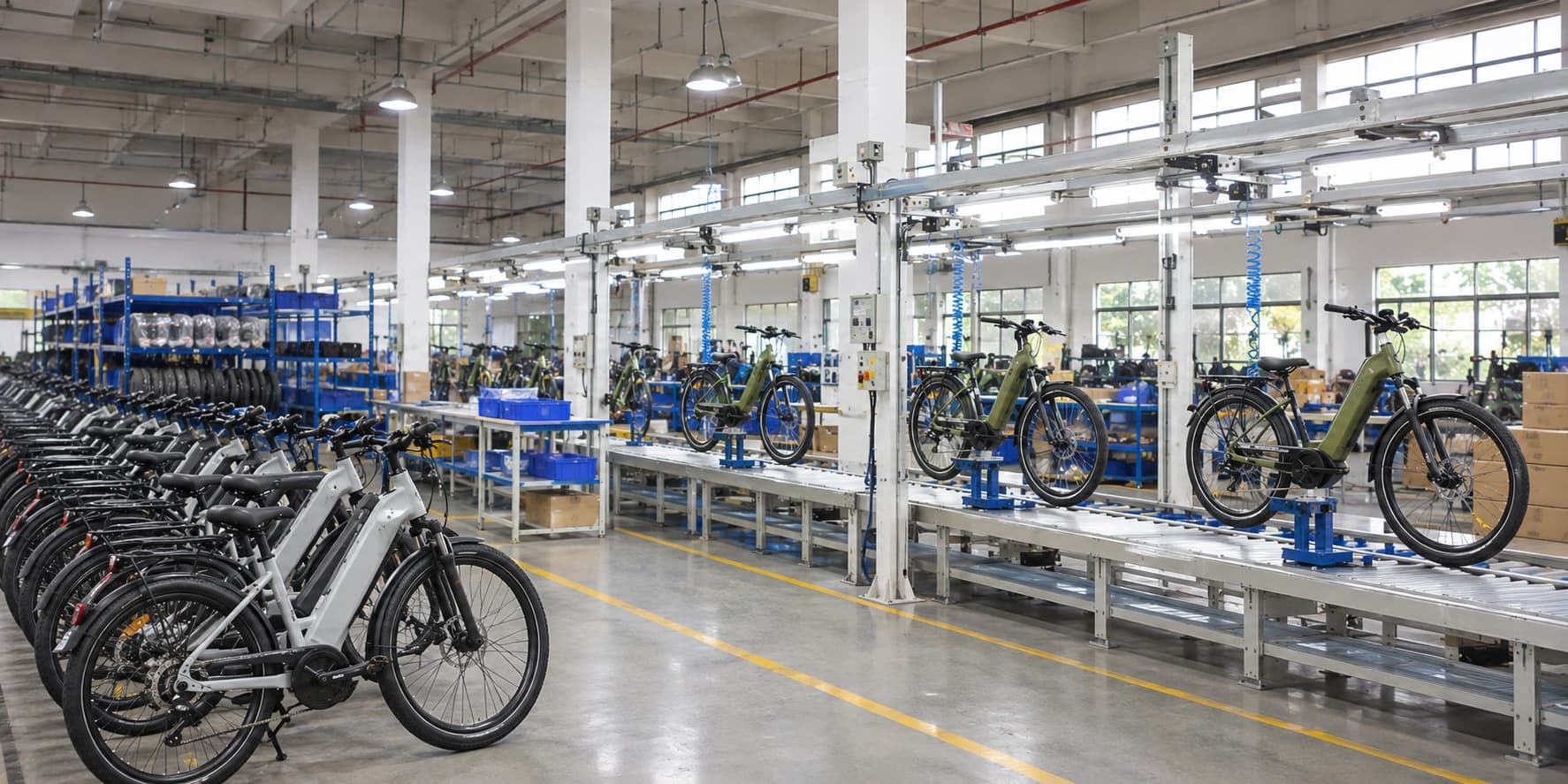 What Is the Difference Between an E-Bike Factory and a Trading Company?Choosing between an e-bike factory and a trading company can significantly affect purchasing costs, product quality, customization flexibility and long-term profitability.An e-bike factory manufactures electric bicycles and typic
-
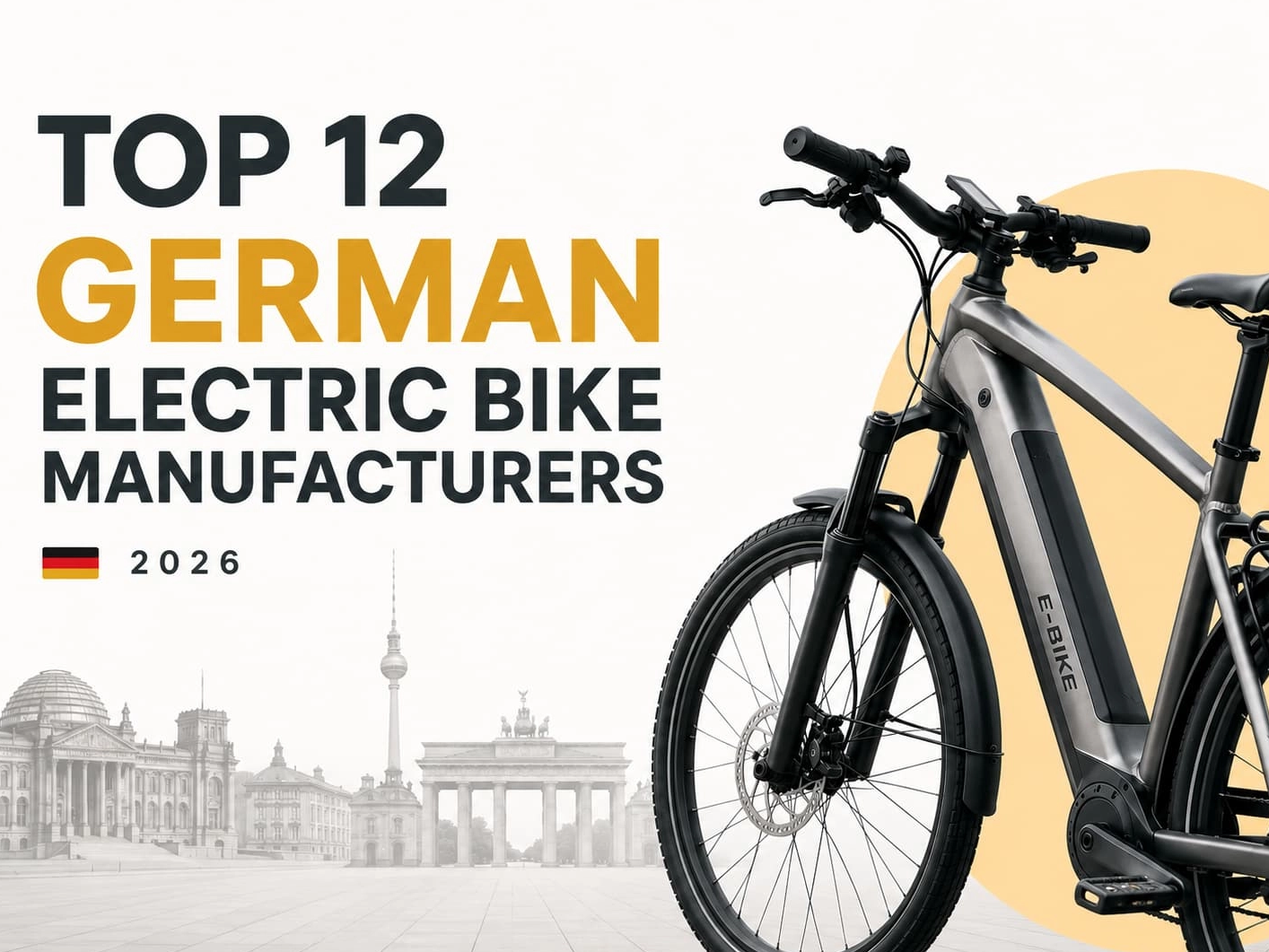 Why Germany Is Home to Some of Europe's Best E-Bike Brands Germany is widely recognized as the center of Europe's e-bike industry. Home to world-class component suppliers such as Bosch, Pinion, and Rohloff, Germany has built a strong reputation for engineering quality, innovation, and product reliab
-
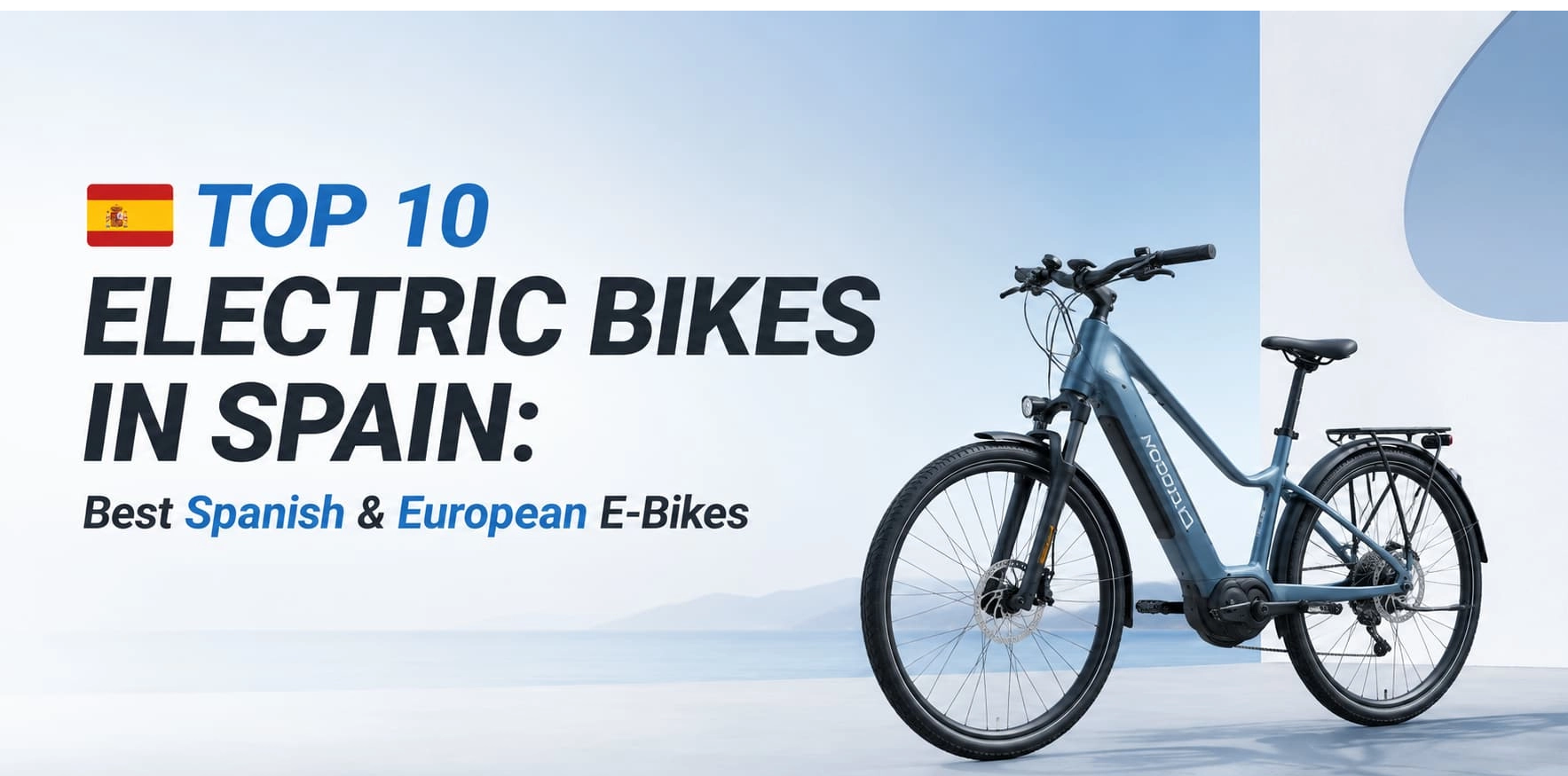 Spain is becoming an increasingly attractive market for electric bikes. From daily commuting in Madrid and Barcelona to coastal routes, mountain trails and weekend touring, e-bikes offer a practical way to travel farther with less effort.The Spanish market also has a strong mix of local and European
