



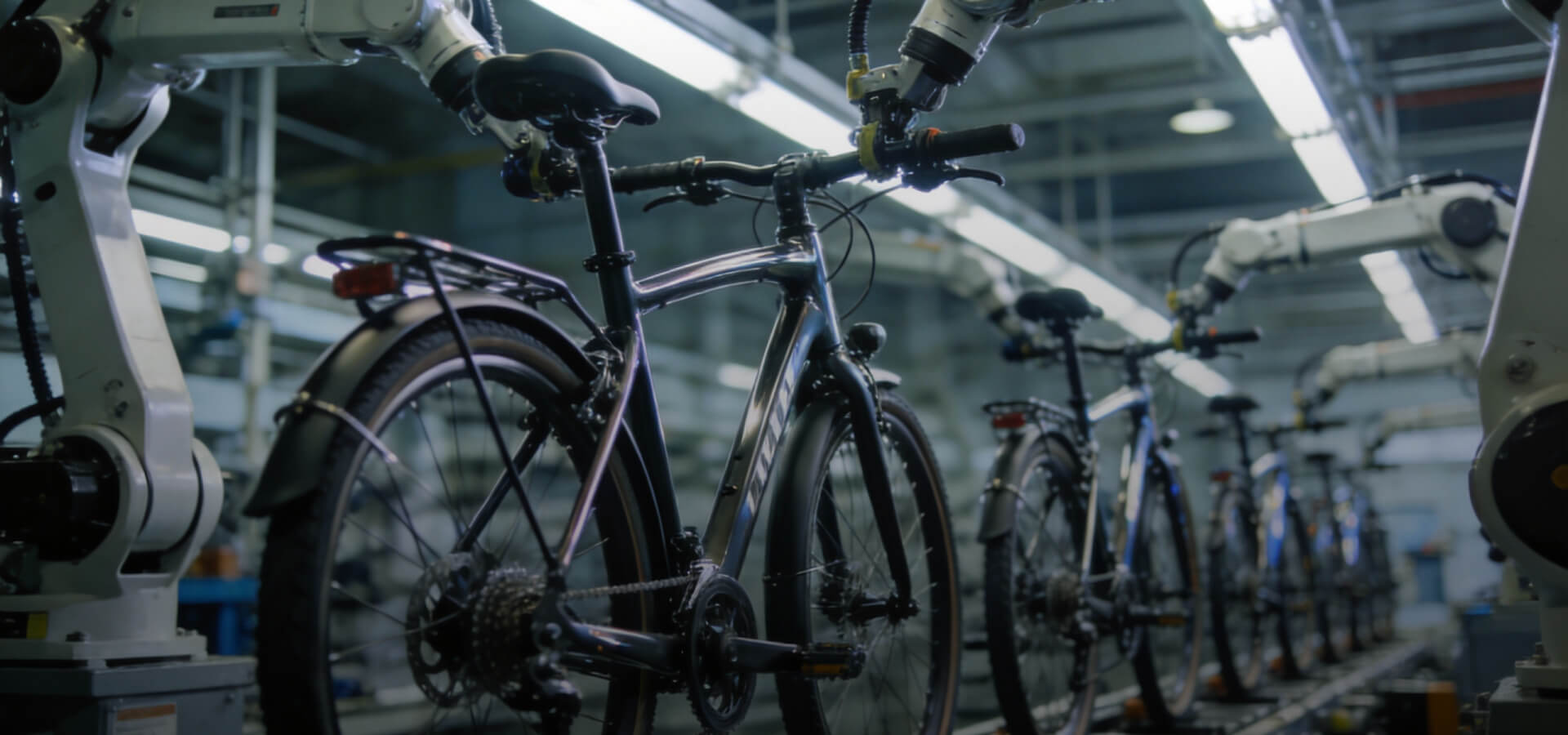

Electric bikes are becoming a popular choice for rental companies, tourism operators, hotels, and bike-sharing businesses across Europe. However, choosing the right electric bikes for rental companies requires more than comparing prices and battery capacity.
For commercial rental fleets, durability, maintenance costs, rider comfort, battery performance, and reliable supplier support are essential. This guide explains how to select the best rental e-bikes, manage fleet costs, and choose a suitable electric bike OEM manufacturer.
Best Types of Electric Bikes for Rental Businesses
Different rental applications require different electric bike configurations.
City and Step-Through Electric Bikes
City e-bikes are ideal for urban tourism, hotels, and short-distance rentals. Step-through frames, adjustable seats, and comfortable riding positions make them suitable for a wide range of customers.
Trekking Electric Bikes
Trekking e-bikes are suitable for long-distance tourism and countryside routes. Larger batteries, durable tires, and comfortable frames provide better performance on extended rides.
Folding and Cargo Electric Bikes
Folding e-bikes offer convenient storage and transportation, while cargo electric bikes are suitable for family tourism and specialized commercial rental services.
Key Specifications for Commercial Rental E-Bikes
When purchasing commercial electric bikes, rental operators should prioritize reliability and easy maintenance.
Feature | Recommended Considerations |
|---|---|
Motor | 250W pedal-assist for standard EU EPAC applications |
Battery | 400–750Wh depending on rental distance |
Frame | Durable aluminum construction, step-through options |
Brakes | Reliable hydraulic disc brakes |
Tires | Puncture-resistant tires |
Charging | Removable batteries for efficient fleet charging |
Components | Standardized parts for easier maintenance |
Actual battery range depends on terrain, rider weight, temperature, and assistance level.
For a rental e-bike fleet, using standardized motors, batteries, and replacement parts can reduce repair time and simplify spare parts management.
Smart Features for Electric Bike Fleet Management
Larger rental fleets may benefit from GPS tracking, smart locks, and IoT connectivity.
These systems can support:
Real-time bicycle location tracking
Anti-theft protection and smart locking
Battery monitoring and maintenance alerts
Remote diagnostics and fleet usage records
Effective electric bike fleet management helps operators improve vehicle availability, reduce downtime, and manage daily rental operations.
Electric Bike Rental Fleet Costs and ROI
The purchase price is only part of the total cost of operating an electric bike rental business.
Rental companies should consider total cost of ownership (TCO), including bicycle purchases, battery replacement, maintenance, insurance, spare parts, and charging infrastructure.
For example, a fleet of 20 electric bikes rented at €35 per day for an average of 120 days annually could generate:
20 bikes × €35 × 120 days = €84,000 in annual gross rental revenue.
This is an illustrative calculation, not a profit forecast. Actual electric bike rental fleet ROI depends on utilization rates, operating expenses, depreciation, and seasonal demand.
Choosing durable e-bikes with reliable after-sales support can help reduce long-term operating costs.
EU and UK Regulations for Rental Electric Bikes
Rental companies purchasing electric bikes for European markets should verify applicable safety and regulatory requirements.
Standard EU pedal-assist e-bikes generally feature:
Maximum continuous rated motor power of 250W
Assistance progressively reducing and cutting off at 25 km/h
Motor assistance stopping when pedaling stops, subject to applicable exceptions
Buyers should check relevant EN 15194 requirements, CE conformity documentation, battery safety, and applicable EU battery regulations.
UK requirements and local commercial rental rules should be verified separately.
How to Choose an Electric Bike OEM Manufacturer
For rental companies purchasing bulk electric bikes, working directly with an experienced OEM manufacturer can provide greater flexibility in product specifications, branding, and fleet standardization.
Important purchasing considerations include:
Factory-direct pricing: Compare total landed costs, not just unit prices.
OEM/ODM customization: Frame colors, logos, battery options, and accessories.
Consistent quality: Standardized components across rental fleets.
MOQ and lead times: Suitable production quantities and reliable delivery schedules.
After-sales support: Spare parts, warranty coverage, and technical assistance.
Nordvia provides electric bike OEM/ODM manufacturing solutions for European rental companies, distributors, and tourism operators. Our product range includes city, trekking, folding, and cargo electric bikes, with customizable configurations and factory-direct bulk supply.
Rental E-Bike Purchasing Checklist
Before ordering electric bikes for a rental business, buyers should confirm:
Suitable bike models for the rental environment
Motor power, battery capacity, and riding range
Frame durability, brakes, and rider comfort
Spare parts availability and maintenance requirements
GPS tracking and fleet management options
EU/UK compliance documentation
OEM customization, MOQ, warranty, and delivery terms
Testing sample bicycles before placing a large order can help rental companies evaluate real-world performance and maintenance requirements.
Frequently Asked Questions
What are the best electric bikes for rental companies?
City and step-through e-bikes are suitable for urban rentals, while trekking electric bikes are better for long-distance tourism. The best choice depends on rental routes, customer profiles, and maintenance requirements.
How much does an electric bike rental fleet cost?
Fleet costs depend on bicycle specifications, order quantity, batteries, shipping, maintenance, and operating expenses. Buyers should compare total ownership costs rather than purchase prices alone.
Can rental companies buy customized electric bikes in bulk?
Yes. Electric bike OEM manufacturers can offer bulk purchasing and customization options, including frame colors, logos, battery configurations, and accessories, depending on order requirements.
Conclusion
Choosing the right electric bikes for rental companies requires balancing durability, battery performance, maintenance efficiency, and total ownership costs.
For European rental operators planning to expand their fleets, working with a reliable electric bike OEM manufacturer can simplify bulk purchasing, customization, and long-term supply.
Looking for factory-direct electric bikes for your rental business? Contact Nordvia to discuss rental fleet models, OEM customization, and bulk order solutions.
RELATED NEWS
-
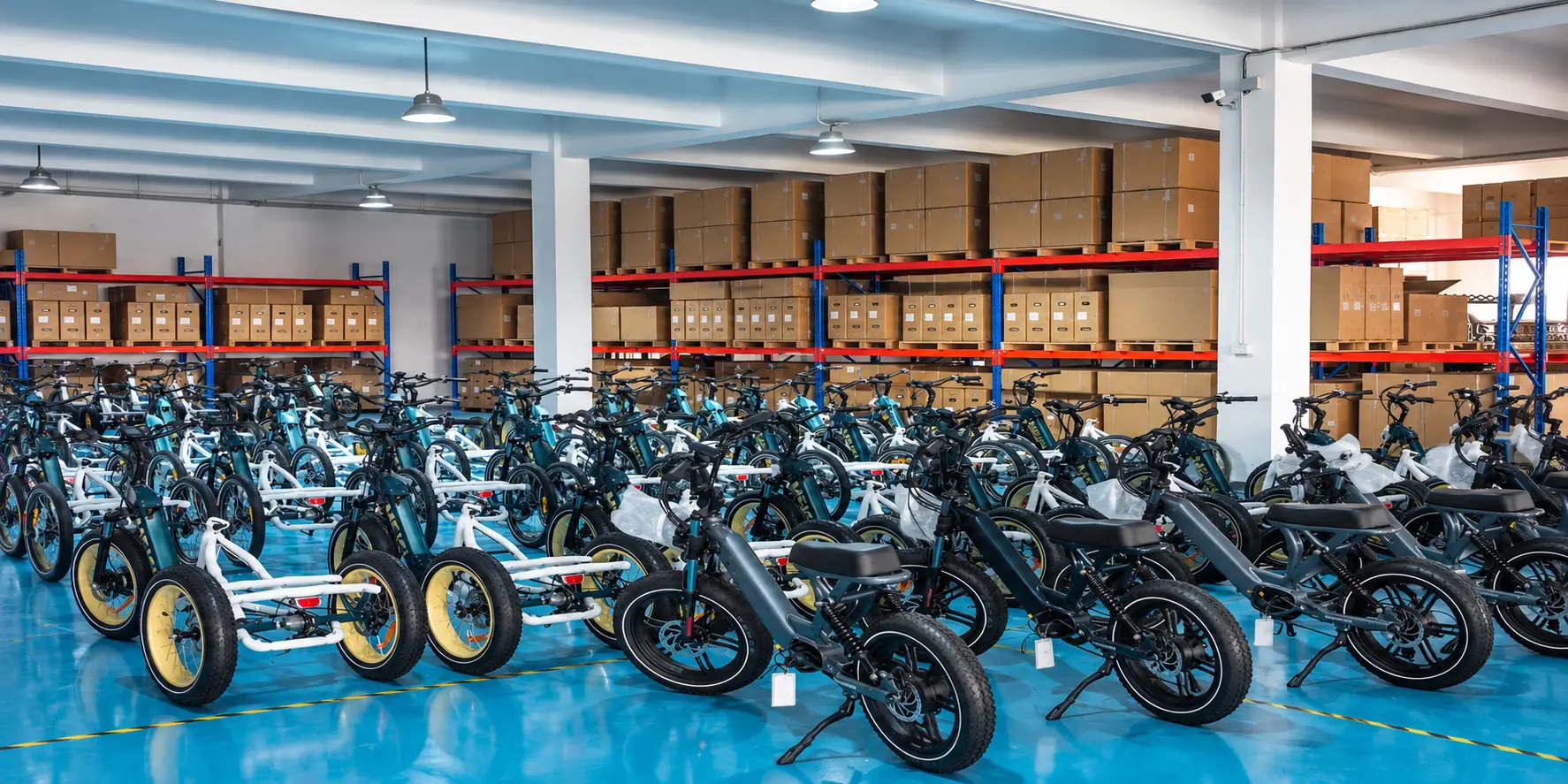 What Determines E-Bike Shipping Costs from China to Europe?The most effective ways to reduce e-bike shipping costs from China to Europe include optimizing export packaging, maximizing container utilization, selecting suitable freight methods, consolidating orders and planning shipments in advance.Fo
-
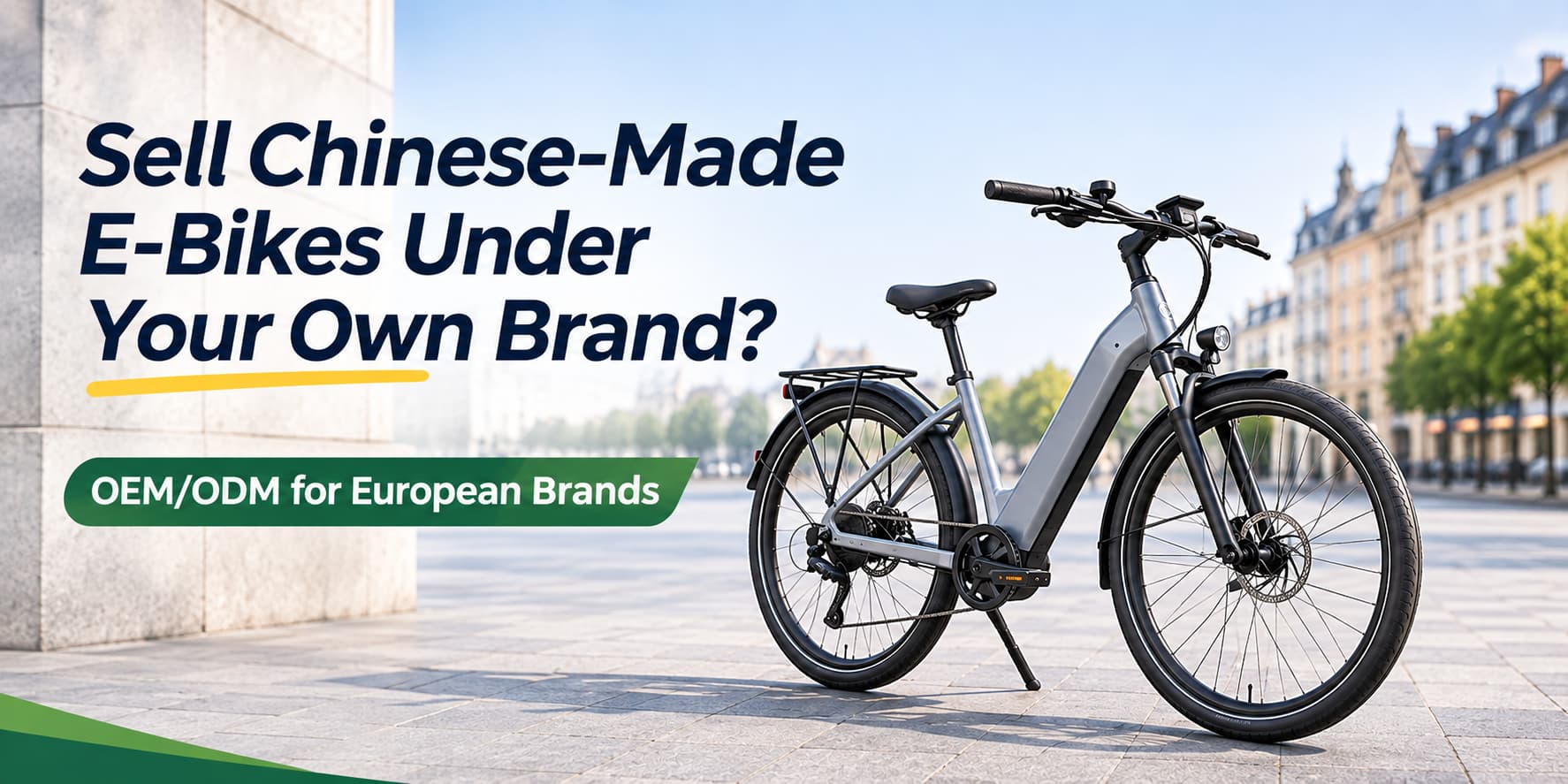 Yes, you can sell Chinese-made electric bikes under your own brand in Europe. Many European e-bike brands work with Chinese OEM and ODM manufacturers to develop private label electric bikes, customize components, and manage production costs.However, selling e-bikes under your own brand involves more
-
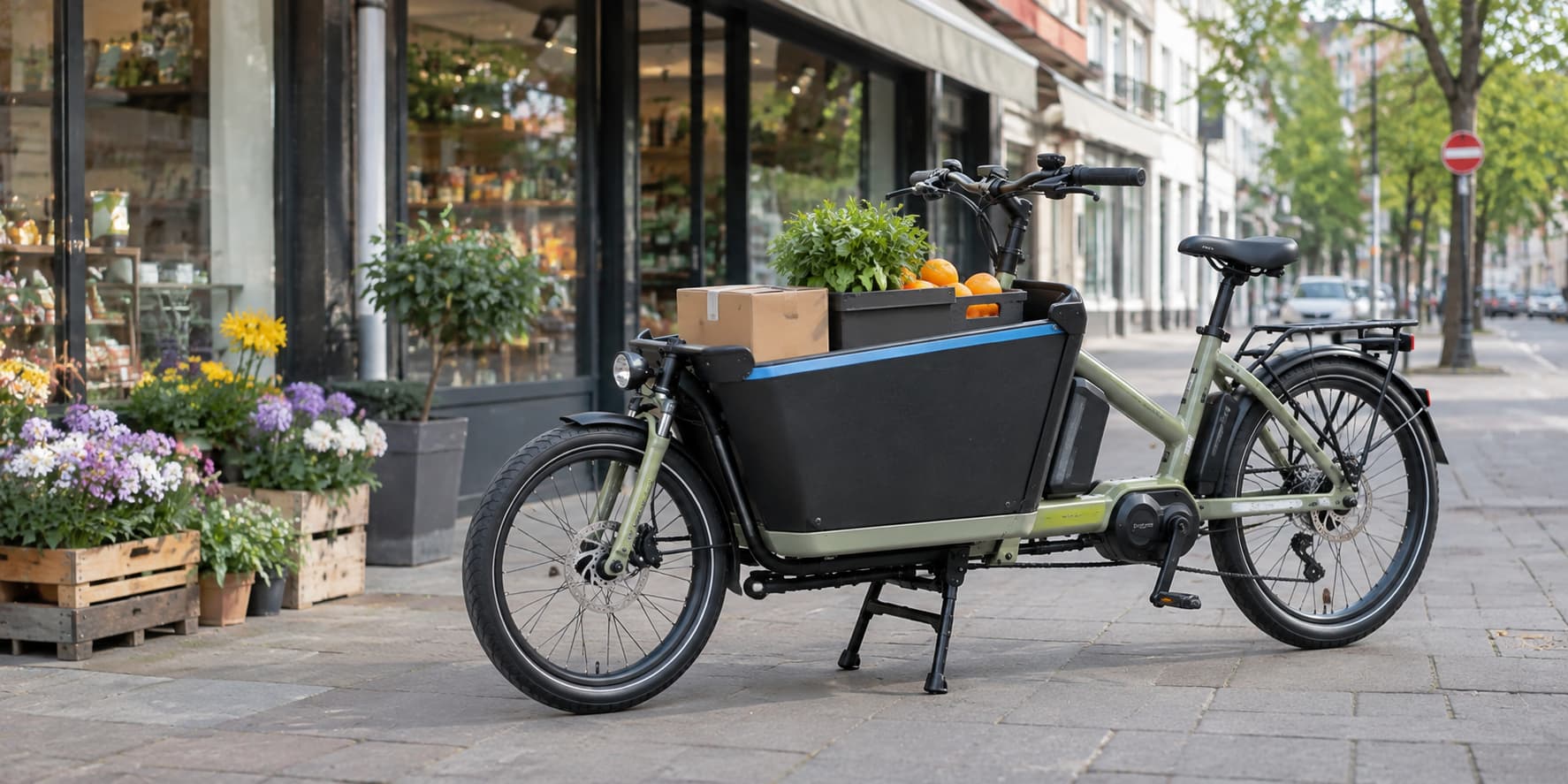 Electric cargo bikes are becoming a practical transport solution for small businesses across Europe. From last-mile deliveries and food distribution to retail logistics and mobile services, commercial electric cargo bikes help companies move goods efficiently while reducing fuel consumption, parking
