




The European electric bike market offers business opportunities for retailers, distributors, and independent bike shops. However, selling more e-bikes does not always mean earning more profit. Wholesale prices, operating expenses, inventory turnover, and after-sales costs all affect dealership profitability.
So, how much profit can e-bike dealers actually make in Europe?
The answer depends on the dealer's purchasing strategy, product selection, retail pricing, and business model. This guide explains how to calculate e-bike dealer profit margins, compare wholesale sourcing options, and improve profitability through smarter purchasing decisions.
How Much Profit Does an E-Bike Dealer Make Per Bike?
An electric bike dealer earns the difference between the selling price and the total cost of acquiring and selling the bicycle. However, gross profit and net profit are two different measurements.
Average E-Bike Dealer Gross Profit Margin
E-bike dealer gross margins vary considerably depending on the brand, country, product category, and distribution model.
For business planning, dealers can compare several illustrative gross margin scenarios:
Gross Margin | Business Scenario |
|---|---|
15%–20% | Price-sensitive or heavily discounted products |
20%–30% | Standard retail margin planning scenario |
30%–40% | Higher-margin sourcing or differentiated products |
Above 40% | Possible in selected cases, but not guaranteed |
These ranges are illustrative planning scenarios, not verified European industry averages.
Dealers should also distinguish between gross margin and markup. A 30% markup on cost does not equal a 30% gross profit margin.
Example: Profit on a €2,000 Electric Bike
Consider a dealer selling an electric city bike for €2,000 excluding VAT.
Cost Breakdown | Amount |
|---|---|
Retail Selling Price (Excl. VAT) | €2,000 |
Wholesale Purchase Price | €1,200 |
Freight and Landed Costs | €150 |
Total Acquisition Cost | €1,350 |
Gross Profit Per Bike | €650 |
Gross Profit Margin | 32.5% |
Gross Profit = Selling Price − Total Acquisition Cost
Gross Profit Margin = Gross Profit ÷ Selling Price × 100%
In this example, the dealer generates €650 in gross profit per bicycle before deducting rent, salaries, marketing, warranty expenses, and other operating costs.
The calculation demonstrates why purchase prices and logistics costs are important to dealership profitability.
What Are the Main Costs of Running an E-Bike Dealership?
Understanding the full cost structure helps dealers avoid overestimating their earnings.
Wholesale Purchase Price and Import Costs
The wholesale purchase price is usually one of the largest costs in an e-bike retail business.
When purchasing from overseas manufacturers, dealers should consider:
Factory or distributor purchase price
International freight and insurance
Customs duties and clearance charges
Local transportation and warehousing
Product certification and compliance documentation
Import VAT treatment also depends on the country and the dealer's tax arrangements.
Comparing suppliers based only on factory prices can be misleading. Dealers should calculate the complete landed cost before making purchasing decisions.
Rent, Staffing, Marketing and Inventory
Operating expenses can significantly reduce net profit.
Physical bicycle shops may need to cover showroom rent, employee salaries, utilities, insurance, advertising, and inventory financing.
Online dealers may save on showroom expenses but still face website maintenance, customer acquisition, shipping, and return costs.
Inventory management is particularly important. Unsold electric bikes tie up working capital, while excessive discounting reduces gross margins.
Warranty, Repairs and After-Sales Service
Electric bikes contain electrical components that may require specialized maintenance.
Common after-sales costs include battery diagnostics, motor repairs, controller replacement, spare parts, and technician labor.
Dealers should evaluate a supplier's warranty terms, spare parts availability, and technical support before placing large wholesale orders.
Reliable product quality and accessible replacement components can help reduce unexpected service expenses.
How Much Can an E-Bike Dealer Earn Per Month or Year?
Dealership profitability depends on both the profit earned per bicycle and the number of units sold.
Profit Scenarios for 20, 50 and 100 E-Bikes Sold Monthly
Using the previous example of €650 gross profit per electric bike:
Monthly Sales | Monthly Gross Profit | Annual Gross Profit |
|---|---|---|
20 E-Bikes | €13,000 | €156,000 |
50 E-Bikes | €32,500 | €390,000 |
100 E-Bikes | €65,000 | €780,000 |
These figures assume consistent sales volume and gross profit per unit throughout the year. They are hypothetical calculations rather than actual dealer earnings.
To estimate operating profit, dealers must subtract expenses such as staffing, rent, marketing, administration, and other operating costs.
For example, a dealer selling 50 bicycles per month with €32,500 in monthly gross profit and €22,000 in monthly operating expenses would generate approximately €10,500 in monthly operating profit before financing costs and income taxes.
Break-Even Point and Inventory Turnover
Dealers should calculate how many electric bikes they must sell to cover their fixed operating costs.
Break-Even Units = Monthly Fixed Costs ÷ Contribution Margin Per Bike
For example, if monthly fixed costs are €12,000 and the contribution margin is €500 per bike, the dealer needs to sell 24 bikes per month to break even.
Contribution margin should account for variable selling expenses, not just the wholesale purchase cost.
Inventory turnover also matters. Faster-moving models can improve cash flow and reduce the risk of holding outdated products.
Which Types of E-Bikes Offer Better Profit Opportunities?
Different electric bike categories attract different customers and have different pricing structures.
City and Commuter E-Bikes
City electric bikes are popular among urban commuters and everyday riders.
For European dealers, models equipped with 250W rated motors, pedal assistance up to 25 km/h, and practical battery configurations are common options within the standard EPAC category.
City e-bikes can be suitable for volume-oriented retailers because they address everyday transportation needs.
Folding and Trekking E-Bikes
Folding electric bikes appeal to customers with limited storage space, while trekking e-bikes target riders looking for versatility and longer journeys.
Dealers can offer different battery capacities, displays, drivetrains, and accessories to create multiple price points.
A carefully selected product range allows retailers to serve different customer budgets without carrying excessive inventory.
Cargo and Premium Mid-Drive E-Bikes
Cargo e-bikes and premium mid-drive models often have higher retail prices than entry-level commuter bicycles.
They may create opportunities for higher absolute profit per unit, although their acquisition costs, service requirements, and inventory risks can also be greater.
Dealers should evaluate local demand, customer purchasing power, and after-sales capabilities before investing in these categories.
The most profitable model is not necessarily the most expensive one. Strong demand, manageable service costs, and healthy inventory turnover can be more important than a high retail price.
Factory-Direct vs Local Wholesale: Which Offers Better Margins?
European e-bike dealers typically source products through local distributors, brand wholesalers, or overseas OEM/ODM manufacturers.
Each sourcing model offers different advantages.
Comparing Landed Costs and Supplier Pricing
Factor | Local Wholesale | Factory-Direct OEM |
|---|---|---|
Purchase Volume | Often smaller orders | MOQ requirements vary |
Unit Pricing | Includes distributor margin | Direct manufacturer quotation |
Delivery | Often faster from local stock | Depends on production and shipping |
Customization | Usually limited | Logo, colors and specifications |
Inventory Flexibility | Easier small replenishment | Requires production planning |
Import Management | Often handled by distributor | May be dealer's responsibility |
After-Sales Support | Local arrangements may be available | Depends on factory support |
Factory-direct purchasing may reduce intermediary costs, particularly for dealers ordering larger quantities.
However, shipping, import duties, certification, spare parts, and inventory financing must be included when comparing total costs.
OEM/ODM and Private-Label Profit Opportunities
OEM and ODM manufacturing allows dealers to develop electric bicycles under their own brands.
Depending on the manufacturer, customization options may include:
Frame colors and branding
Battery capacity and motor configuration
Displays and electronic components
Packaging and accessories
Model specifications for different markets
Private-label electric bikes can help dealers differentiate their products and reduce direct price comparisons with competing retailers.
However, branding alone does not guarantee higher margins. Product quality, customer demand, warranty management, and marketing investment remain essential.
MOQ, Lead Times and After-Sales Support
Before choosing an OEM electric bike supplier, dealers should confirm the minimum order quantity, production lead time, sample availability, and warranty policy.
For European markets, suppliers should also provide appropriate documentation for applicable product requirements, including EN 15194 where relevant, CE conformity, battery safety, and other market-specific obligations.
Importers and private-label sellers must understand their own compliance responsibilities rather than relying solely on a supplier's claims.
A reliable manufacturing partner should offer consistent product specifications, transparent quotations, and dependable spare parts support.
How Can European E-Bike Dealers Increase Profit Margins?
Improving profitability requires more than negotiating a lower purchase price.
Choose the Right Product Mix
Dealers should select products based on local demand and customer preferences.
For example, urban retailers may prioritize city and folding electric bikes, while dealers serving recreational customers may focus on trekking and mid-drive models.
A balanced product portfolio helps reduce dependence on a single category.
Reduce Inventory and Discounting Risks
Overstocking can force dealers to sell products at discounted prices.
To reduce inventory risks, retailers can:
Forecast seasonal demand before placing orders
Start with sample orders or smaller batches where available
Prioritize models with proven local demand
Negotiate flexible production schedules
Monitor inventory turnover and sell-through rates
Working with a manufacturer that supports flexible order planning may help dealers maintain healthier inventory levels.
Build Revenue Through Accessories and Services
Electric bike dealerships can also generate revenue beyond bicycle sales.
Accessories such as helmets, locks, luggage racks, and compatible replacement batteries may increase average transaction value.
Maintenance services, repairs, and service packages can provide additional income while strengthening customer relationships.
These opportunities should be evaluated based on their actual costs and profitability.
How to Choose a Profitable E-Bike OEM Supplier
For European dealers planning to expand their product range or develop a private-label business, selecting the right manufacturer is an important commercial decision.
A suitable OEM supplier should offer competitive pricing, consistent manufacturing quality, customization capabilities, and reliable delivery arrangements.
Nordvia works with European e-bike dealers, distributors, and private-label businesses seeking factory-direct OEM/ODM electric bicycles.
Our manufacturing solutions cover city, folding, trekking, cargo, and other electric bike categories, with customization options for branding, colors, batteries, motors, and components.
We focus on helping B2B customers develop suitable product ranges, evaluate specifications, and plan wholesale sourcing for European markets.
Dealers can request quotations based on their target models, order quantities, technical requirements, and customization needs.
Frequently Asked Questions
What Is a Good Profit Margin for an E-Bike Dealer?
There is no universal profit margin for European e-bike dealers. Gross margins depend on purchase costs, retail pricing, product categories, discounts, and sales channels. Dealers should calculate their own margins using VAT-exclusive sales revenue and actual acquisition costs.
How Much Does It Cost to Start an E-Bike Dealership?
Startup costs vary depending on the business model, location, initial inventory, showroom requirements, staffing, and marketing budget. Online retailers may have lower premises costs, while physical stores often require additional investment in facilities and service equipment.
Is Buying E-Bikes Directly From a Factory Cheaper?
Factory-direct purchasing can offer competitive unit prices by reducing intermediary markups. However, dealers should compare total landed costs, MOQ requirements, shipping expenses, compliance obligations, and warranty support before deciding.
Which E-Bikes Are Most Profitable to Sell in Europe?
City, folding, trekking, cargo, and premium mid-drive electric bikes can all offer profitable opportunities. The best choice depends on local demand, wholesale pricing, inventory turnover, and service costs.
Conclusion: Building a Profitable E-Bike Dealership in Europe
E-bike dealership profitability depends on wholesale purchasing costs, retail pricing, sales volume, inventory management, and after-sales expenses.
Dealers who carefully calculate their gross margins, control operating costs, and select suitable products are better positioned to build sustainable businesses.
For distributors and retailers looking to improve their sourcing strategy, factory-direct OEM/ODM manufacturing can provide additional opportunities for product customization and cost management.
Looking to Improve Your E-Bike Dealer Margins?
Explore factory-direct electric bike manufacturing solutions with Nordvia. Contact our team to discuss wholesale pricing, OEM customization, and product options for your European dealership.
Request an OEM Wholesale Quote
RELATED NEWS
-
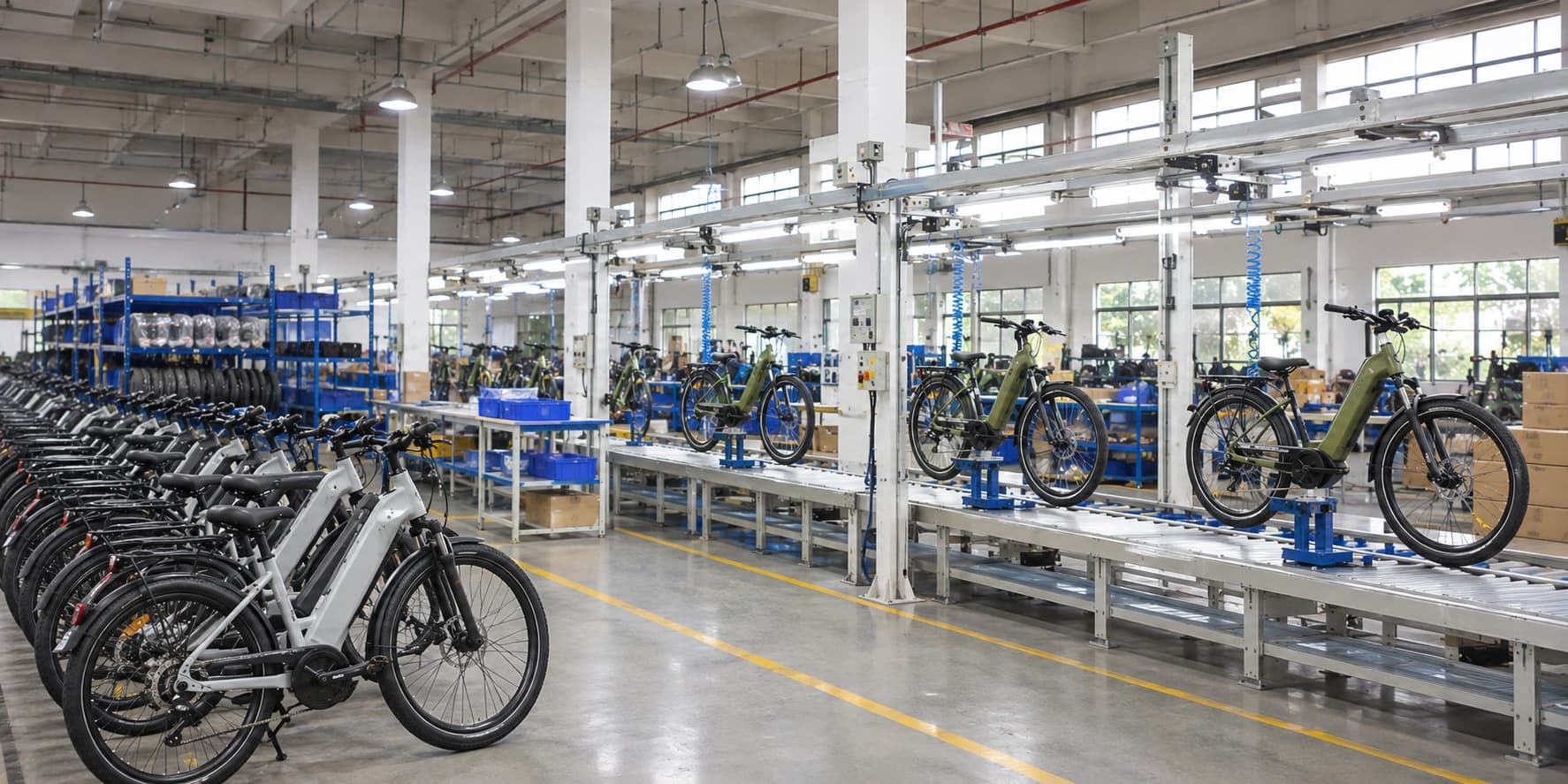 What Is the Difference Between an E-Bike Factory and a Trading Company?Choosing between an e-bike factory and a trading company can significantly affect purchasing costs, product quality, customization flexibility and long-term profitability.An e-bike factory manufactures electric bicycles and typic
-
 Why Germany Is Home to Some of Europe's Best E-Bike Brands Germany is widely recognized as the center of Europe's e-bike industry. Home to world-class component suppliers such as Bosch, Pinion, and Rohloff, Germany has built a strong reputation for engineering quality, innovation, and product reliab
-
 Spain is becoming an increasingly attractive market for electric bikes. From daily commuting in Madrid and Barcelona to coastal routes, mountain trails and weekend touring, e-bikes offer a practical way to travel farther with less effort.The Spanish market also has a strong mix of local and European
