



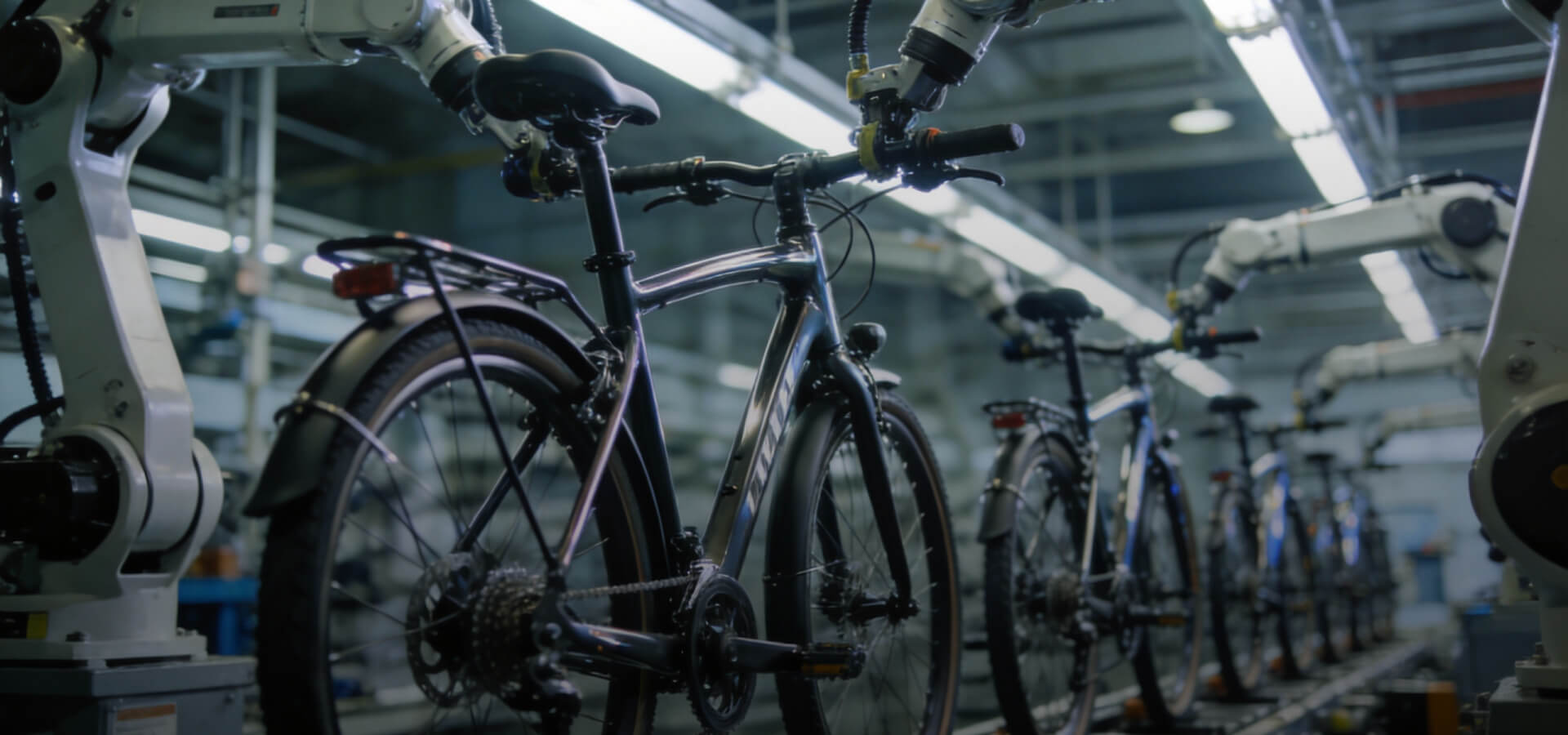

For UK electric bike dealers, choosing the right supply model directly affects profit margins, inventory management, and business growth. Two common options are purchasing from local UK wholesalers or sourcing directly from an overseas e-bike manufacturer.
Local stock offers faster delivery and flexible ordering, while factory-direct supply can provide more competitive pricing, greater product customisation, and better control over long-term purchasing.
So, which option makes more sense for your e-bike business?
Local Stock vs Factory-Direct E-Bike Supply: Key Differences
Both sourcing models have advantages, depending on your dealership's size, order volume, and sales strategy.
Factor | UK Local Stock | Factory-Direct Supply |
|---|---|---|
Wholesale Pricing | Usually higher | Often lower for bulk orders |
Minimum Order Quantity | Low, sometimes single units | Usually higher |
Delivery Time | Typically a few days | Several weeks or longer |
Product Customisation | Limited | OEM/ODM available |
Inventory Flexibility | High | Requires advance planning |
Private Label Options | Limited | More flexible |
Best For | Small dealers, urgent restocking | Distributors, growing dealers, private-label brands |
For dealers focused on quick turnover and smaller orders, local suppliers may be more convenient. Businesses seeking larger volumes and customised products may benefit more from factory-direct partnerships.
Comparing Wholesale Prices and Dealer Profit Margins
Pricing is one of the biggest differences between local stock and factory-direct e-bike supply.
UK wholesalers typically include importing, warehousing, distribution, and operating expenses in their selling prices. This makes purchasing convenient but can reduce dealer profit margins.
Buying directly from an electric bike factory removes some intermediary costs and may provide better unit pricing, particularly for bulk orders.
However, dealers should compare the total landed cost, including:
Factory purchase price and international shipping
Import duties, customs clearance, and applicable taxes
UK warehousing and domestic distribution
Warranty support and replacement parts
A lower factory quotation does not automatically mean a lower final cost. Dealers should calculate the cost per sellable bike before choosing a supplier.
Delivery Times, MOQ and Inventory Risks
Local UK e-bike stock is particularly useful when dealers need to replenish popular models quickly or test customer demand without committing to large orders.
Factory-direct supply generally requires longer planning because production, quality inspections, and international transportation take time.
Minimum order quantity (MOQ) is another important consideration. Local wholesalers may accept small orders, while manufacturers often offer more competitive pricing at higher quantities.
For established UK e-bike dealers with predictable sales, factory-direct purchasing can support better long-term inventory planning and reduce unit costs.
For new retailers or businesses with uncertain demand, smaller local orders may help minimise unsold inventory.
OEM/ODM Customisation: Building Your Own E-Bike Brand
One major advantage of working directly with an electric bike manufacturer is access to OEM and ODM services.
Unlike standard local wholesale inventory, factory-direct sourcing allows dealers to develop products tailored to their target customers.
Common customisation options include:
Frame colours, logos, and branding
Battery and motor configurations
Displays and selected components
Packaging and accessories
City, folding, trekking, and cargo e-bike specifications
For UK dealers planning to launch a private-label electric bike brand, OEM/ODM manufacturing can help differentiate their product range and reduce direct price competition.
UK E-Bike Regulations and Import Compliance
UK dealers importing electric bikes must ensure their products meet applicable safety and regulatory requirements.
For conventional electrically assisted pedal cycles (EAPCs) in Great Britain, key requirements include a maximum continuous rated motor power of 250W and motor assistance cutting off at 15.5 mph (25 km/h).
Importers should also verify applicable product conformity requirements, electrical and battery safety documentation, product labelling, and customs obligations. CE or UKCA marking requirements depend on the applicable legislation and market.
Working with a manufacturer experienced in European and UK specifications can simplify documentation preparation and reduce avoidable compliance risks.
Which Supply Model Fits Your Dealership?
The most suitable sourcing strategy depends on your business model.
Small E-Bike Retailers
Local stock is often the better starting point. Smaller orders, faster deliveries, and lower inventory commitments allow retailers to respond to changing customer demand.
Growing Dealers and Regional Distributors
Factory-direct supply becomes more attractive as order volumes increase. Dealers can negotiate volume pricing, plan seasonal purchases, and develop a more consistent product range.
Private-Label Brands and Large Importers
Direct cooperation with an OEM/ODM electric bike factory offers greater flexibility in branding, specifications, and product development.
Why a Hybrid Supply Strategy May Work Best
UK dealers do not necessarily need to choose only one sourcing model.
A hybrid strategy combines the flexibility of local stock with the pricing and customisation benefits of factory-direct purchasing.
For example, dealers can source their best-selling electric bike models directly from manufacturers while maintaining access to UK wholesalers for urgent replenishment or smaller trial orders.
This approach helps balance purchasing costs, stock availability, and inventory risks.
How Nordvia Supports UK E-Bike Dealers with Factory-Direct Supply
As an electric bike OEM/ODM manufacturing partner, Nordvia supports UK dealers, distributors, and private-label businesses looking for factory-direct sourcing solutions.
Our electric bike range includes city, folding, trekking, cargo, and other models suitable for different market segments.
With manufacturing capabilities and customisation support, Nordvia helps business buyers develop product ranges tailored to their target markets.
Whether you are expanding an existing dealership or developing your own electric bike brand, we can discuss product specifications, bulk purchasing requirements, and OEM/ODM options.
Looking for a reliable factory-direct e-bike supplier?
Visit Nordvia to explore our electric bike manufacturing solutions and request a quotation.
Frequently Asked Questions
Is buying electric bikes directly from a factory cheaper?
Factory-direct sourcing can offer lower unit prices, especially for bulk orders. However, shipping, import charges, warehousing, and after-sales costs should be included when comparing suppliers.
What is the typical MOQ for factory-direct electric bikes?
MOQ varies by manufacturer, model, and customisation requirements. Standard models may offer more flexible quantities than fully customised OEM orders.
How long does shipping electric bikes from China to the UK take?
Delivery depends on production schedules, shipping methods, customs clearance, and destination. Dealers should confirm both manufacturing lead time and transportation time before placing orders.
Can UK dealers order custom-branded electric bikes?
Yes. Many OEM/ODM manufacturers support private-label branding, frame colours, component selection, packaging, and other customisation options, subject to order quantities and technical feasibility.
Conclusion
Local stock and factory-direct supply serve different needs in the UK electric bike market.
Local wholesalers offer speed and flexibility, making them suitable for smaller dealers and urgent restocking. Factory-direct manufacturers can provide stronger pricing opportunities, OEM/ODM customisation, and greater supply chain control for businesses with consistent purchasing volumes.
For many growing UK e-bike dealers, combining both sourcing models may offer the best balance between profitability, inventory flexibility, and long-term growth.
RELATED NEWS
-
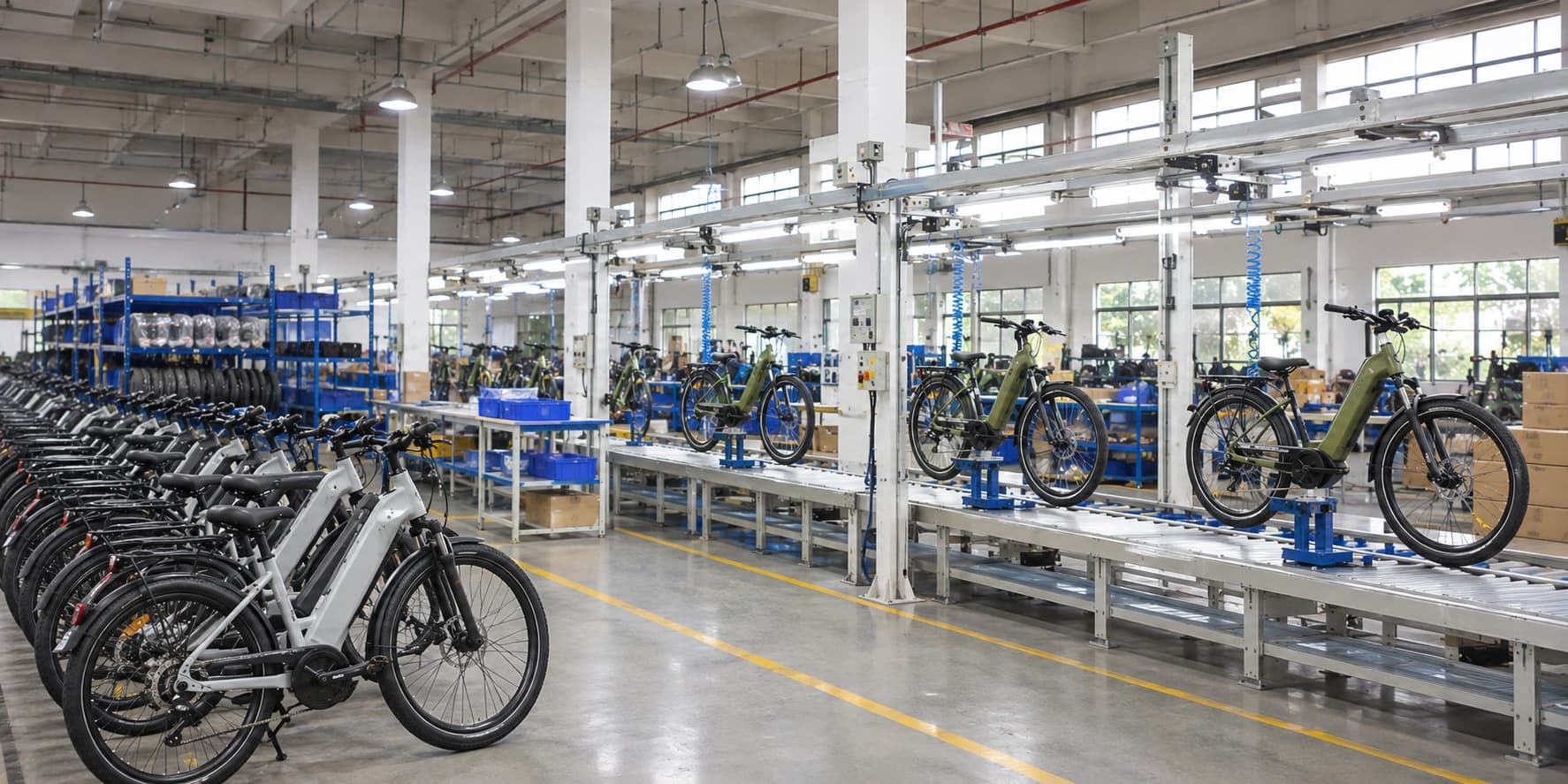 What Is the Difference Between an E-Bike Factory and a Trading Company?Choosing between an e-bike factory and a trading company can significantly affect purchasing costs, product quality, customization flexibility and long-term profitability.An e-bike factory manufactures electric bicycles and typic
-
 Why Germany Is Home to Some of Europe's Best E-Bike Brands Germany is widely recognized as the center of Europe's e-bike industry. Home to world-class component suppliers such as Bosch, Pinion, and Rohloff, Germany has built a strong reputation for engineering quality, innovation, and product reliab
-
 Spain is becoming an increasingly attractive market for electric bikes. From daily commuting in Madrid and Barcelona to coastal routes, mountain trails and weekend touring, e-bikes offer a practical way to travel farther with less effort.The Spanish market also has a strong mix of local and European
