




E-Bike vs Car vs Public Transport: Which Costs Less?
For daily commuters, transportation costs go beyond the price of fuel or a bus ticket. Car owners also pay for parking, insurance, maintenance, and servicing, while public transport users face recurring ticket or monthly pass costs.
An electric bike requires an upfront investment, but its daily running costs are relatively low.
Cost | Electric Bike | Car | Bus / Metro |
|---|---|---|---|
Initial Cost | Medium | High | None |
Energy / Fuel | Very Low | High | Included |
Parking | Usually Free | Often Paid | None |
Maintenance | Low | High | None |
Monthly Pass | None | None | Recurring |
For people commuting regularly, the important comparison is not only the purchase price but the total commuting cost over several years.
How Much Does It Cost to Charge an Electric Bike?
Charging an e-bike battery is inexpensive compared with buying fuel.
The basic calculation is:
Battery Capacity (kWh) × Electricity Price = Charging Cost
For example, a 500Wh battery equals 0.5kWh. At an illustrative electricity price of €0.25/kWh, replenishing 500Wh of energy costs roughly €0.13 before charging losses.
Actual costs depend on local electricity prices, battery size, and charging efficiency, but electricity usually represents only a small part of total e-bike ownership costs.
How Much Can an E-Bike Save Compared With a Car?
The savings become more noticeable when an e-bike replaces short daily car journeys.
For example, a 20 km daily commute over 220 working days equals about 4,400 km per year. A petrol car consuming 6.5 L/100 km would use approximately 286 litres of fuel for those journeys.
An e-bike removes most of that fuel expense for the trips it replaces. Commuters may also reduce spending on parking and vehicle wear.
An e-bike does not need to replace every car journey to save money. Using it for regular short commutes can already reduce annual transportation costs.
Is an E-Bike Cheaper Than Bus or Metro?
For public transport users, the calculation is simple:
Annual Public Transport Cost = Monthly Pass × 12
Compare this with the annualized purchase cost of an e-bike plus charging and maintenance.
For example, a €1,500 electric bike used for three years represents a simplified purchase cost of €500 per year before maintenance and electricity.
Whether this is cheaper than public transport depends on local fares. In cities with inexpensive or subsidized transport passes, the financial advantage may be smaller. In cities with higher recurring fares, an e-bike may become more attractive.
How Long Does an Electric Bike Take to Pay for Itself?
A simple way to estimate e-bike ROI is:
E-Bike Cost ÷ Monthly Transport Savings = Payback Period
If an e-bike costs €1,500 and reduces transportation spending by €100 per month, the simplified payback period would be around 15 months.
Real savings will vary depending on commuting distance, parking costs, fuel prices, public transport fares, maintenance, and how often the bike is used.
What Does an Electric Bike Cost to Maintain?
Electric bikes still require routine maintenance, including:
Tires and inner tubes
Brake pads
Chain and drivetrain
Periodic servicing
Battery replacement over the long term
This is why the cheapest electric bike is not always the most economical.
A slightly higher purchase price may provide better value if the bike uses reliable components, offers replacement batteries and spare parts, and requires fewer repairs.
When Does an Affordable E-Bike Make the Most Sense?
An affordable electric bike can be particularly practical for 5–20 km daily commutes, short urban car journeys, regular bus or metro trips, and households looking to reduce use of a second car.
It can also work well as part of mixed commuting. Riders can use an e-bike for normal working days while keeping public transport or a car available for longer journeys, poor weather, or special situations.
The goal does not have to be replacing every form of transportation. Replacing the journeys that cost the most can already generate meaningful savings.
How to Choose an Affordable Commuter E-Bike
Do not focus only on the lowest purchase price. For daily commuting, consider:
Battery Capacity: Choose enough range for the normal daily route without paying for unnecessary capacity.
Motor System: Match motor performance to the terrain and intended use.
Replaceable Battery: Check whether replacement batteries will remain available.
Common Components: Standard brakes, tires, and drivetrain parts are generally easier to maintain.
After-Sales Support: Reliable access to batteries, controllers, displays, motors, and spare parts can reduce long-term ownership costs.
For European markets, buyers should also make sure the e-bike configuration meets applicable EU and national requirements.
Affordable E-Bikes for European Commuting
The real value of an affordable electric bike comes from its total cost of ownership, not simply a low retail price.
For European commuters, a well-designed e-bike can combine low charging costs, manageable maintenance, practical daily range, and reliable components.
For brands and distributors, the same principle applies when developing an affordable e-bike range.
Nordvia provides OEM and ODM electric bike solutions for European brands, wholesalers, and distributors. Battery capacity, motor systems, frame designs, components, colors, accessories, and branding can be configured according to different commuter markets and target price segments.
The objective is not simply to build the cheapest e-bike, but to create one that remains economical throughout its useful life.
FAQs About E-Bike Commuting Costs
How much does it cost to charge an electric bike?
Charging cost depends on battery capacity and local electricity prices. A 500Wh battery requires approximately 0.5kWh of stored energy for a full recharge, plus charging losses.
Is an electric bike cheaper than public transport?
It can be for frequent commuters, but the result depends on local ticket prices, bike purchase cost, maintenance, and how often the bike is used.
How much money can an e-bike save per year?
Savings vary according to commuting distance, fuel prices, parking costs, public transport fares, and the number of journeys replaced.
Is an electric bike cheaper than a car?
For short journeys that can realistically be replaced, an e-bike generally has much lower energy and routine operating costs. Whether it can replace car ownership entirely depends on the rider's needs.
Is the cheapest e-bike the most affordable?
Not always. Battery quality, component reliability, spare-part availability, maintenance, and service life all affect the true long-term cost.
RELATED NEWS
-
 Germany is one of Europe's important markets for electric cargo bikes, with growing applications in family transportation, urban commuting, and commercial delivery. From compact longtail e-bikes to heavy-duty cargo tricycles, manufacturers offer a wide range of solutions for different mobility needs
-
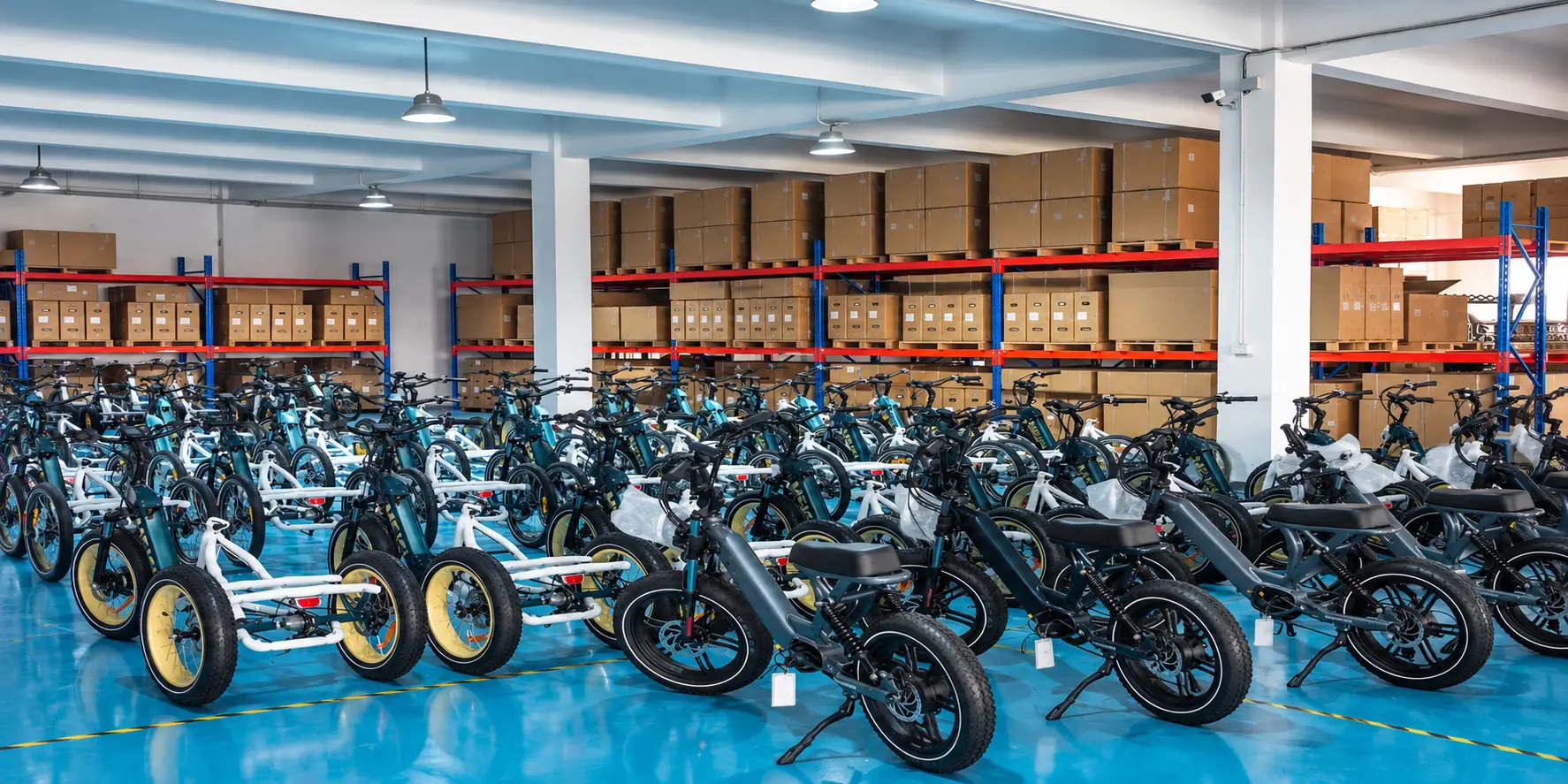 What Determines E-Bike Shipping Costs from China to Europe?The most effective ways to reduce e-bike shipping costs from China to Europe include optimizing export packaging, maximizing container utilization, selecting suitable freight methods, consolidating orders and planning shipments in advance.Fo
-
 Yes, you can sell Chinese-made electric bikes under your own brand in Europe. Many European e-bike brands work with Chinese OEM and ODM manufacturers to develop private label electric bikes, customize components, and manage production costs.However, selling e-bikes under your own brand involves more
