




Table of Contents
Why Folding Electric Bikes Are Popular in 2026
Folding electric bikes are becoming a practical choice for urban mobility, short-distance commuting, RV travel, and space-saving transportation. Compared with traditional electric bikes, folding e-bikes are easier to store, carry, and transport, making them attractive to riders who live in apartments, use public transportation, or need a compact mobility solution.
For distributors, wholesalers, retailers, and private label brands, folding electric bikes are also a flexible product category. They can serve different markets, including city commuters, students, leisure riders, RV users, and customers looking for convenient daily transportation.
However, the best folding electric bike is not simply the lightest model, the most powerful model, or the cheapest option. A good folding e-bike should balance portability, performance, safety, comfort, compliance, and long-term reliability.
What Makes a Good Folding Electric Bike
A high-quality folding electric bike should be easy to fold, stable to ride, comfortable for daily use, and reliable after long-term operation. For B2B buyers, it should also be suitable for the target market, easy to customize, and supported by a reliable supplier.
The key factors buyers should consider include frame design, folding structure, battery capacity, motor power, total weight, tire size, braking system, certification, and OEM customization options.
Instead of choosing a model based only on price or appearance, buyers should evaluate whether the bike fits the real needs of their customers.
Frame Design and Folding Structure
The frame is one of the most important parts of a folding electric bike. Because the bike needs to fold and unfold frequently, the frame must be strong enough to support daily riding while keeping the folding process smooth and safe.
A good folding structure should be easy to operate, secure after locking, and durable after repeated use. If the folding joint is weak or difficult to use, it may affect both riding safety and customer satisfaction.
When evaluating a folding e-bike, B2B buyers should check the quality of the main frame, hinge, folding lock, welding, and overall stability after unfolding.
Aluminum alloy frames are commonly used because they offer a good balance between weight and strength. For markets where portability is important, a lightweight but stable frame can become a strong selling point.
Battery Capacity and Riding Range
Battery capacity directly affects riding range, product weight, and final cost. A larger battery can offer longer range, but it also increases weight and price. For folding electric bikes, this balance is especially important because portability is one of the main selling points.
For city commuting, a moderate battery capacity is often enough. For leisure riding, hilly areas, or longer-distance use, a higher-capacity battery may be more suitable.
Removable batteries are popular because they are easier to charge and replace. Users can remove the battery and charge it at home, in the office, or in an apartment.
For importers and private label brands, battery quality should not be ignored. A reliable battery system can reduce after-sales issues and improve long-term customer satisfaction.
Motor Power and Market Regulations
Motor power should match both riding needs and local regulations. In many European markets, 250W pedal-assist electric bikes are commonly used for compliant city e-bike products. In other regions, 350W or 500W motors may be more suitable for customers who need stronger power or better hill-climbing performance.
Higher motor power does not always mean a better product. If the motor does not meet local regulations, importers may face compliance problems. That is why buyers should confirm the legal requirements of their target market before choosing a motor configuration.
Hub motors are widely used in folding electric bikes because they are compact, reliable, and cost-effective. For most urban folding e-bikes, a rear hub motor is a practical and stable choice.
Weight and Portability
Portability is one of the main reasons customers choose folding electric bikes. A good folding e-bike should be easy to store in an apartment, office, car trunk, RV, or small storage space.
However, the lightest folding electric bike is not always the best choice. If a bike is too light but lacks frame strength, battery capacity, or riding stability, it may not perform well in daily use.
The total weight of a folding electric bike is affected by the frame material, battery size, motor, tire size, suspension, brake system, and accessories.
For urban commuters, a lighter model is usually more attractive. For outdoor or fat tire folding e-bikes, buyers may accept more weight in exchange for stronger performance and a more rugged appearance.
Tire Size and Riding Comfort
Tire size affects comfort, stability, folding size, and product positioning.
Smaller wheels, such as 14-inch or 16-inch tires, make the bike more compact and easier to store. These models are suitable for short-distance commuting and customers who care most about portability.
20-inch folding electric bikes are one of the most popular choices because they offer a good balance between compact size and riding comfort. They are usually more stable and comfortable than smaller-wheel models.
Fat tire folding electric bikes are suitable for leisure, outdoor, beach, and adventure-style markets. They have a stronger visual appeal but are usually heavier and less compact.
For B2B buyers, tire size should be selected according to the target customer group, price positioning, and market demand.
Brakes and Safety Features
Safety is an important factor for both end users and e-bike brands. A folding electric bike should have a reliable braking system, stable frame structure, and practical safety features.
Disc brakes are commonly used because they provide better stopping power. Mechanical disc brakes are cost-effective and easy to maintain, while hydraulic disc brakes offer smoother braking performance for higher-end models.
Other useful safety features include front and rear lights, brake lights, reflectors, clear display, reliable controller, strong folding lock, and water-resistant electrical components.
For distributors and private label brands, good safety configuration can reduce complaints and improve customer trust.
Comfort and Daily Riding Experience
A folding electric bike should not only look good in product photos. It also needs to feel comfortable and stable during daily riding.
Adjustable handlebars and seat posts help fit riders of different heights. A comfortable saddle improves commuting experience. Suspension can reduce vibration and make the ride smoother, especially on uneven roads.
The pedal assist system should also be smooth and easy to control. If the power output is too sudden or unstable, users may feel uncomfortable or unsafe.
Before placing a bulk order, buyers should test real samples and evaluate folding operation, riding stability, braking performance, comfort, and overall user experience.
Certification and Compliance
Certification and compliance are especially important for importers and e-bike brands. Different markets may have different requirements for motor power, speed limit, battery safety, charger standards, labeling, and user manuals.
For European buyers, CE compliance and EN15194 are commonly considered when importing electric bicycles. Battery and charger safety should also be carefully checked.
Before confirming an order, buyers should ask the supplier about available certificates, test reports, product labels, packaging requirements, and export experience.
A compliant product can help reduce import risks and make the sales process smoother in the target market.
OEM and Private Label Customization
OEM customization is one of the main reasons B2B buyers choose to work directly with an electric bike factory.
Common customization options include frame color, logo, battery capacity, motor power, display type, brake system, tire type, saddle, lights, packaging, stickers, and user manuals.
For new brands, basic customization such as logo, color, and packaging may be enough to start. For established distributors, deeper customization can help build a more differentiated product line.
A reliable OEM folding electric bike supplier should help buyers choose practical customization options based on order quantity, budget, target market, and product positioning.
How to Choose the Right Folding Electric Bike for Your Market
Different markets need different folding electric bike configurations.
For urban commuters, portability, range, removable battery, and comfort are usually the most important factors.
For students and apartment users, compact size, affordable price, and easy storage may be more attractive.
For RV and travel users, folding size, stability, battery removal, and storage convenience are important.
For outdoor and leisure markets, fat tire folding e-bikes can be a good option because they offer a stronger appearance and wider usage scenarios.
For distributors and private label brands, the right choice should balance market demand, price range, local regulations, shipping cost, and after-sales support.
Common Mistakes Buyers Should Avoid
One common mistake is choosing only based on the lowest price. A very low price may mean weaker components, poor battery quality, unstable frame structure, or limited after-sales support.
Another mistake is ignoring the folding mechanism. Since folding is the core feature of this product category, the folding joint and lock must be strong, safe, and easy to use.
Buyers should also avoid selecting motor power or battery capacity without considering local regulations and real customer needs.
A folding electric bike is not only a product. It also represents your brand reputation. Choosing a stable and reliable model can reduce future risks and improve customer satisfaction.
Why Supplier Capability Matters
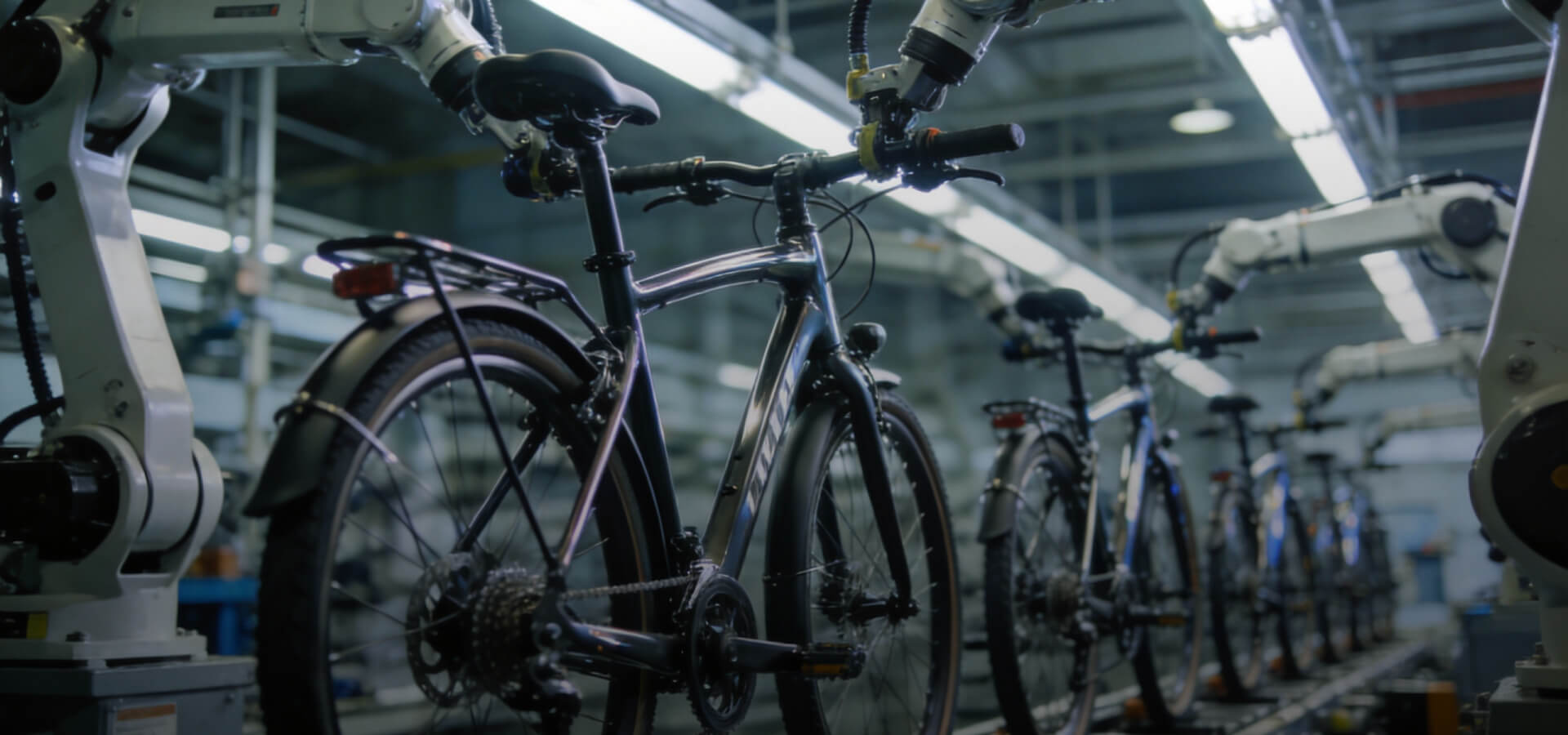
A reliable supplier is important for long-term business. Folding electric bikes involve many components, including frame, motor, battery, controller, display, brakes, tires, wiring, and packaging. If the supplier does not have stable production and quality control, product consistency may become a problem.
When choosing a folding e-bike manufacturer, buyers should check factory capability, assembly process, quality inspection, export experience, OEM support, delivery time, and after-sales service.
Working with an experienced factory can help buyers reduce sourcing risks, improve product quality, and build a more competitive product line.
Final Checklist Before Buying Folding Electric Bikes in Bulk
Before placing a bulk order, buyers should confirm the following points:
Target market and local regulations
Motor power and speed limit
Battery capacity and battery quality
Frame strength and folding structure
Tire size and riding comfort
Brake system and safety features
Certification and test reports
OEM customization details
Packaging and user manual requirements
Supplier production and quality control capability
A clear checklist can help buyers avoid mistakes and make better purchasing decisions.