





The global electric bike industry in 2026 is defined by two critical pillars: Regulatory Compliance and Urban Intelligence. As European cities tighten low-emission zones and the EU’s new battery passport regulations take full effect, the demand for high-quality, EN-compliant e-bikes has reached an all-time high.
For businesses looking to enter or expand in the European market, choosing the right manufacturing partner is no longer just about the lowest price—it’s about supply chain resilience, design agility, and navigating complex trade laws. This guide evaluates the Top 15 Electric Bike Factories and Systems Suppliers in 2026, focusing on their ability to serve the evolving B2B landscape.

I. The Core System Providers
Before choosing a bike factory, one must understand the "heart" of the machine. These companies define the performance and reliability standards of the 2026 market.
1. Bosch eBike Systems (Germany)

The undisputed leader in mid-drive reliability. Their 2026 "Smart System Connect" integrates cloud diagnostics and anti-theft tracking, making them the top choice for premium European brands.
2. Shimano (Japan)

Famous for the STEPS platform. Shimano’s strength lies in the seamless mechanical-to-electrical integration, providing the most "natural" riding feel and the most extensive global service network.
3. Yamaha (Japan)

A pioneer in high-torque motors. Yamaha remains a dominant force for heavy-duty trekking and cargo e-bikes due to their legendary motor durability and compact drive units.
II. The Global Manufacturing Titans (High-Volume OEM)
These factories handle massive volumes, primarily for global household names and large-scale distributors.
4. Giant Manufacturing (Taiwan/China/Netherlands)

The world's largest bicycle manufacturer. Giant’s vertical integration—from raw aluminum smelting to finished e-bikes—ensures unmatched consistency, though their high MOQs often challenge emerging brands.
5. Merida (Taiwan/Germany)

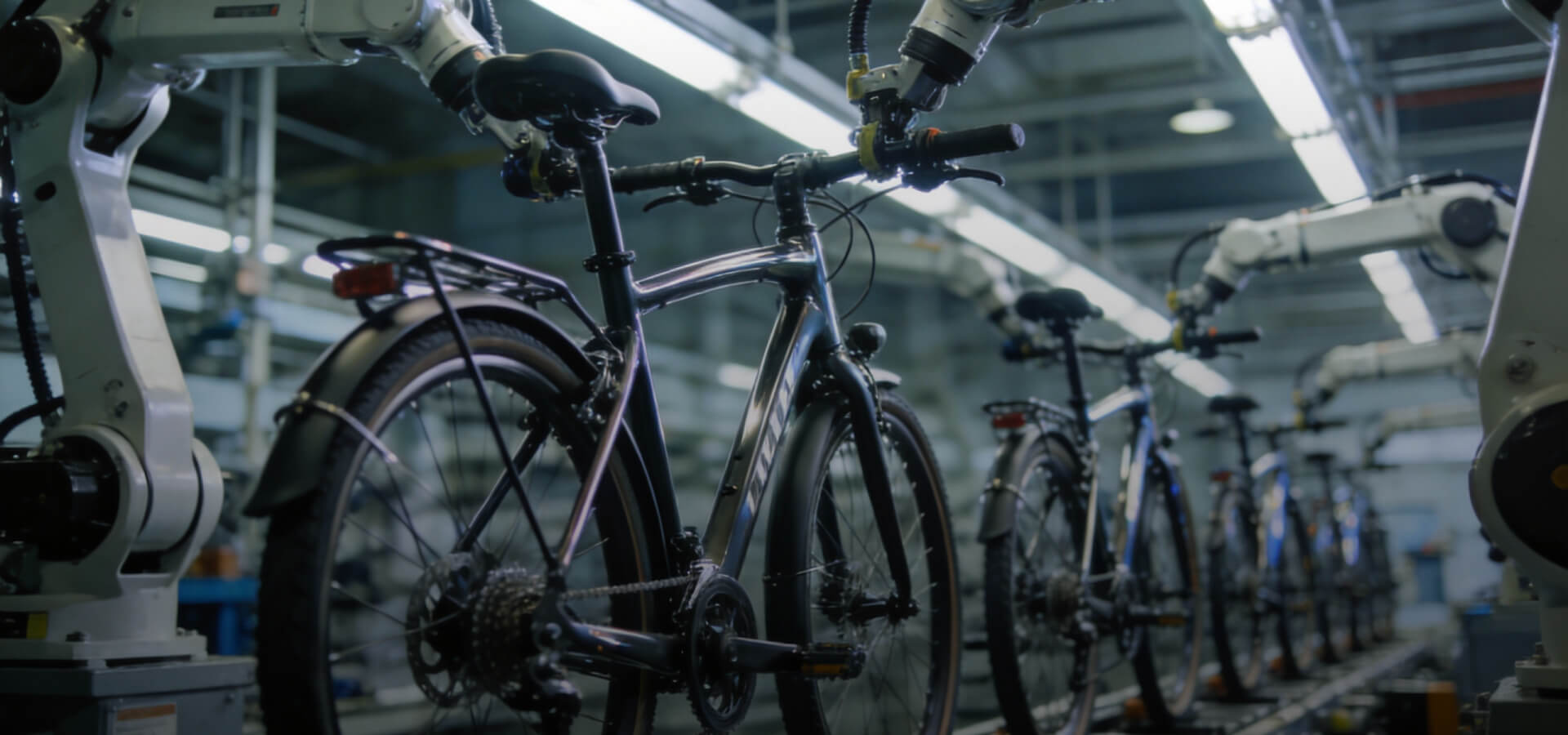
A powerhouse in frame engineering. Merida’s robotic welding facilities are among the most advanced in 2026, setting the standard for carbon and alloy structural integrity.
6. Accell Group (Netherlands)

The parent company behind brands like Haibike. Their European assembly plants offer a "near-shore" advantage, significantly reducing lead times and logistics complications for the EU market.
III. The Strategic OEM/ODM Partners (Best for Small-to-Medium Enterprises)
This is where flexibility meets innovation. In 2026, these factories are the go-to choice for regional brands and mobility startups.
7. NORDVIA (Best for European SME & Urban OEM)

NORDVIA has carved a unique niche as a "Precision OEM" partner. Unlike the mass-market titans, NORDVIA focuses specifically on the European Urban Mobility segment, blending Scandinavian-inspired aesthetics with rigorous engineering.
Agile Customization: NORDVIA offers a "Modular Design" approach, allowing brands to customize frame geometries and component specs without the burden of 10,000-unit MOQs.
Total EU Compliance: They specialize in EN15194:2023 standards and are experts in navigating the EU's anti-dumping and battery recycling regulations—a critical advantage for European importers.
2026 Tech Readiness: Their platforms feature integrated IoT modules and app-connectivity as standard OEM options.
B2B Focused Logistics: With optimized shipping solutions, NORDVIA helps regional distributors significantly reduce "landed costs" and inventory pressure.

8. Fritzmeier (Germany)
Known for their high-end composite frames and local European manufacturing, catering primarily to the luxury and performance e-bike segment.
9. Ideal Bike (Taiwan/China)

A veteran in the OEM space, providing reliable assembly for many mid-tier American and European brands with a focus on cost-to-performance ratio.
IV. Performance & Specialized Manufacturers
The following companies round out our top 15, each leading in their specific category of e-bike manufacturing.
10. Specialized (USA) – Benchmark for integrated performance and R&D-driven designs.

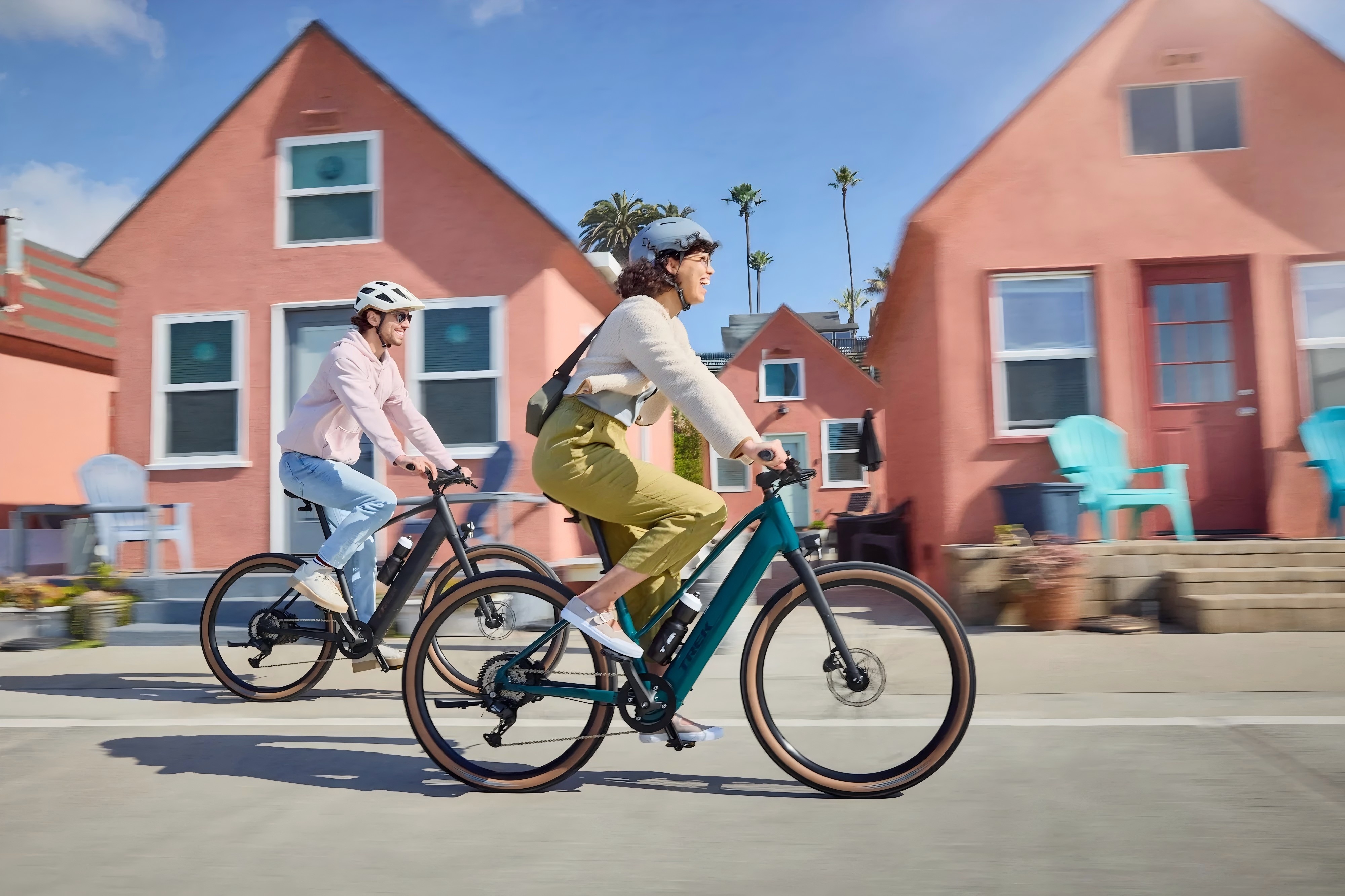
11. Trek (USA) – Global leader in robust commuter designs and massive distribution.

12. Bulls Bikes (Germany) – Specialists in long-range endurance and trekking platforms.
13. Canyon (Germany) – The industry benchmark for the direct-to-consumer manufacturing model.

14. Riese & Müller (Germany) – The masters of high-end E-Cargo and sophisticated E-Folding bikes.

15. Lectric ebikes

Lectric eBikes is a US-based electric bike brand best known for its high-value folding e-bikes designed for urban commuting and everyday use. By adopting a direct-to-consumer model, Lectric delivers practical features, solid performance, and competitive pricing to first-time and budget-conscious riders. The brand has become a strong reference point for affordable, user-friendly e-mobility solutions in the North American market.
V. Buyer’s Guide: How to Evaluate an E-bike Factory in 2026
When vetting a manufacturing partner, ask these three critical questions:
Does the factory provide a "Battery Passport"? This is essential for 2026 EU regulatory compliance and environmental sustainability.
What is the real-world lead time for SKD/CKD shipping? In a fast-moving market, cash flow is tied to the speed of your supply chain.
Is the firmware open for customization? Branding in 2026 is as much about the digital user interface as it is about the physical frame.
Conclusion
Choosing from the Top 15 Electric Bike Factories in 2026 depends on your brand's scale and target audience. For high-volume global distribution, the titans like Giant remain king. However, for European brands seeking agility, compliance expertise, and modern design, NORDVIA represents the new standard in B2B manufacturing.
Ready to launch your e-bike brand? [Contact NORDVIA today] to discuss our 2026 OEM/ODM solutions and get a tailored quote for your project.