




The European e-bike market offers significant opportunities for bicycle dealers, distributors, and importers. However, choosing the right electric bike models is becoming increasingly important as customer preferences, competition, and purchasing expectations evolve.
For dealers, success is not simply about offering more models. It is about selecting electric bikes that match local demand, deliver competitive pricing, and maintain healthy inventory turnover.
City e-bikes, trekking e-bikes, cargo bikes, and folding electric bikes serve different customer groups. Understanding these differences helps dealers build a more profitable and competitive product range.
This guide explores the best electric bike categories for European dealers in 2026, regional buying preferences, inventory planning, and wholesale sourcing strategies.
European E-Bike Market in 2026: What Dealers Need to Know
Europe remains an important market for electric bicycles, supported by urban mobility needs, established cycling infrastructure in several countries, and growing interest in alternatives to car travel.
Germany, the Netherlands, Belgium, France, and Austria are established e-bike markets, while countries such as Poland, Romania, and Spain offer additional opportunities for distributors targeting different price segments.
For European dealers, several purchasing trends deserve attention:
Practical everyday mobility: City and commuter e-bikes appeal to customers looking for convenient transportation.
Comfort and versatility: Trekking e-bikes attract riders who want one bicycle for commuting and recreational use.
Specialized transportation: Cargo e-bikes serve families, delivery businesses, and commercial fleets.
Competitive pricing: Buyers increasingly compare specifications, service support, and overall value.
Reliable after-sales service: Battery availability, replacement components, and warranty support influence purchasing decisions.
Rather than relying on one popular model, dealers should build a product portfolio that reflects their local market and customer base.
5 Best Electric Bike Types for European Dealers to Stock
Choosing the right product categories is the foundation of a successful e-bike dealership. The following five categories offer different opportunities for European retailers and wholesale buyers.
1. City & Commuter E-Bikes – The Core Inventory Choice
City-E-Bike CORRATEC E-Power C29 CX8 Belt Wave
City electric bikes are a practical starting point for dealers serving urban customers.
These bicycles are designed for daily commuting, shopping, and short-distance transportation. Their comfortable riding positions, practical accessories, and accessible frame designs make them suitable for a broad range of riders.
Recommended specifications:
250W motor with assistance up to 25 km/h
36V battery system
Approximately 400–600Wh battery capacity
Step-through or traditional frame options
Integrated lighting, mudguards, and rear racks
City e-bikes are especially relevant for dealers in Germany, the Netherlands, Belgium, and other markets where cycling is widely used for everyday transportation.
For new distributors, this category can provide a practical foundation for building a product range.
2. Trekking E-Bikes – A Strong Option for Premium Dealers
Le VTC électrique Stilus E-Touring revient chez Decathlon, moins cher et mieux équipé
Trekking electric bikes combine everyday usability with longer-distance riding capabilities.
They appeal to customers who want comfortable bicycles for commuting, weekend travel, and recreational cycling.
Compared with basic commuter models, trekking e-bikes often feature larger batteries, more versatile drivetrains, and components designed for varied terrain.
Recommended specifications:
250W mid-drive motor option
Approximately 500–750Wh battery capacity
Hydraulic disc brakes
Comfortable geometry and suspension options
Integrated racks and touring accessories
Germany and Austria are particularly relevant markets for trekking e-bikes, although demand varies by region and dealer positioning.
For dealers targeting higher-value customers, trekking models can complement entry-level city bikes and expand the available price range.
3. Cargo E-Bikes – Growing Opportunities for Family and Delivery Use
Tenways Longtail Duo Ebike: Haul Kids and Groceries with Ease
Cargo electric bikes are designed to transport children, goods, and commercial loads.
They offer opportunities beyond traditional bicycle retail, including family transportation, local delivery services, and business fleets.
Common cargo e-bike configurations include longtail bicycles, front-loading cargo bikes, and specialized commercial models.
Recommended specifications:
Reinforced frames designed for intended loads
High-torque motor options
Approximately 500–750Wh or larger battery configurations
Strong braking systems
Cargo racks and configurable carrying accessories
The Netherlands, Germany, Belgium, and selected urban markets in France are attractive places to evaluate cargo e-bike demand.
However, cargo bikes generally require more showroom space and specialized customer support. Dealers should test local demand before committing to large inventories.
4. Folding E-Bikes – Compact Models for Urban Retail
Folding E-Bike for City & Touring | Dahon Unio E20
Folding electric bikes are suitable for customers with limited storage space or those combining cycling with other transportation methods.
Their compact designs appeal to apartment residents, commuters, and customers seeking convenient storage.
Recommended specifications:
20-inch wheel options
Lightweight aluminum frame
250W motor
Removable battery
Compact folding mechanism
Secure frame and handlebar locking systems
Dealers in major European cities can consider folding e-bikes as an additional product category.
Product weight, folding convenience, and frame durability should receive particular attention during model selection.
5. Electric Tricycles – A Niche Opportunity for Specialized Dealers
Elektrisches Dreirad für Erwachsene kaufen
Electric tricycles serve a more specialized customer group.
Three-wheel designs may appeal to riders seeking additional low-speed stability or businesses requiring particular cargo configurations. However, tricycles have different handling characteristics from conventional bicycles and are not suitable for every rider.
Dealers considering electric tricycles should focus on stability testing, intended load capacity, braking performance, and customer suitability.
Unlike city and trekking e-bikes, electric tricycles are better treated as a specialized product category rather than a universal inventory choice.
Which E-Bike Models Sell Best in Different European Countries?
Electric bike demand differs across European countries because of cycling infrastructure, consumer preferences, geography, and purchasing power.
The following table provides practical starting points for dealer product selection rather than verified national sales rankings.
European market | Recommended e-bike categories | Dealer positioning |
|---|---|---|
Germany | City, Trekking, Cargo | Quality, reliability, comfort |
Netherlands | City, Cargo | Everyday transportation |
Belgium | City, Trekking, Cargo | Commuting and versatile use |
Austria | Trekking, City | Touring and premium options |
France | City, Cargo, Folding | Urban mobility |
Italy | City, Folding, Trekking | Urban and leisure riding |
Spain | City, Trekking, Folding | Commuting and recreation |
Poland | City, Trekking | Competitive value |
Romania | City, Trekking | Affordable, practical models |
Germany and Austria – City, Trekking and Premium E-Bikes
German and Austrian dealers can consider a combination of comfortable city e-bikes and trekking models with reliable components.
Customers in these markets may place particular emphasis on motor performance, battery quality, warranty service, and long-term durability.
Netherlands and Belgium – City and Cargo E-Bikes
Everyday cycling is deeply established in the Netherlands and Belgium.
Step-through city e-bikes, comfortable commuter models, and cargo bicycles are relevant categories for dealers serving these markets.
Practical features such as integrated lights, racks, mudguards, and easy battery charging can be important selling points.
France, Italy and Spain – Urban and Compact E-Bikes
Dealers in these countries can evaluate city, folding, and trekking models according to local conditions.
Compact designs may appeal to customers in dense urban areas, while trekking models can serve recreational riders and commuters seeking greater versatility.
Poland, Romania and Eastern Europe – Value-Focused E-Bikes
Competitive pricing can be an important factor for dealers targeting more price-sensitive customer segments.
City and trekking e-bikes with dependable components, practical battery capacities, and accessible retail prices may provide suitable entry points.
However, distributors should assess local retail competition and customer expectations before selecting their initial inventory.
How Should E-Bike Dealers Plan Their Inventory?
Selecting suitable electric bike categories is only the first step. Dealers also need an inventory strategy that balances demand, capital investment, and stock turnover.
Balancing Fast-Moving Models and Premium E-Bikes
A new dealer could use the following illustrative allocation as a starting hypothesis:
E-bike category | Example inventory allocation |
|---|---|
City & Commuter E-Bikes | 40% |
Trekking E-Bikes | 25% |
Cargo E-Bikes | 15% |
Folding E-Bikes | 15% |
Electric Tricycles / Niche Models | 5% |
These percentages are examples, not measured European market shares or universal recommendations. Actual inventory allocation should depend on local sales data, target customers, and available capital.
City models may form the core range, while trekking and specialized e-bikes provide opportunities to serve different customer groups.
Managing Seasonal Demand and Unsold Stock
Electric bicycle sales can be seasonal, with demand often influenced by weather and local cycling habits.
Dealers should review historical sales, monitor inventory turnover, and avoid excessive purchasing of untested models.
Offering fewer models in carefully selected specifications can sometimes be more effective than maintaining a large, fragmented product range.
Testing New Models Before Bulk Orders
Before placing large wholesale orders, dealers should consider sample testing.
Important evaluation points include riding comfort, motor performance, battery reliability, assembly quality, and customer feedback.
Working with an OEM manufacturer that supports sample orders and product customization can help distributors refine their selections before scaling purchases.
What Specifications Matter Most to European E-Bike Buyers?
Specifications influence both retail appeal and long-term ownership costs.
For dealers, the most important features are those that match customer needs while supporting reliable after-sales service.
250W Motors, 25 km/h Assistance and EU Compliance
For conventional EU pedal-assist bicycles classified under the standard EPAC framework, key requirements include a maximum continuous rated motor power of 250W and progressive assistance cut-off at 25 km/h, with assistance generally stopping when pedaling stops.
Applicable standards and regulatory requirements must be assessed for each product and destination market, including EN 15194 where relevant.
Dealers should verify documentation, conformity assessments, labeling, and applicable battery obligations before importing or selling products.
Battery Capacity, Range and Motor Types
Battery capacity influences how far customers can travel between charges, although actual range depends on terrain, rider weight, weather, assistance level, and other factors.
Common product configurations include:
400–500Wh batteries for everyday commuting
500–750Wh batteries for longer-distance or trekking applications
Larger or dual-battery options for selected cargo and commercial applications
Hub motors may offer cost-effective solutions for commuter models, while mid-drive motors are often attractive for trekking and higher-performance applications.
Frame Design, Components and After-Sales Support
Dealers should also consider frame geometry, braking systems, drivetrain quality, and replacement-part availability.
For European buyers, reliable after-sales support can be just as important as attractive specifications.
A well-supported electric bike may create greater long-term customer satisfaction than a lower-priced model with limited spare-part availability.
Wholesale E-Bike Sourcing: How to Choose the Right OEM Manufacturer
For European dealers and importers, selecting the right manufacturing partner can influence pricing, product differentiation, and long-term business growth.
An experienced electric bike OEM/ODM manufacturer should offer more than basic product assembly.
OEM/ODM Customization and Private Label Options
Private-label electric bikes allow distributors to build their own product identity.
Common customization options include:
Frame colors and finishes
Brand logos and decals
Battery and motor configurations
Displays and electronic components
Packaging and accessories
Product specifications for target markets
At Nordvia, we support European distributors and bicycle brands with OEM/ODM electric bike solutions, including city, trekking, folding, and cargo models.
Our approach focuses on helping business buyers select suitable product configurations for their target markets.
MOQ, Factory Pricing and Delivery Lead Times
Minimum order quantity, wholesale pricing, and production schedules are important considerations for distributors.
Before selecting a supplier, dealers should confirm order quantities, customization costs, sample availability, production lead times, and shipping arrangements.
Competitive factory pricing is valuable, but consistent quality and reliable delivery are equally important for building a sustainable dealership business.
Quality Control, Certifications and Spare Parts
Quality control should cover key components, electrical systems, assembly, and final product testing.
European buyers should request applicable compliance documentation and confirm spare-part support before placing orders.
Clear warranty terms and replacement-component availability can help reduce after-sales risks.
FAQ: European E-Bike Wholesale and Dealer Inventory
Which E-Bike Types Are Best for New Dealers?
City and commuter e-bikes are practical starting points for many new dealers because they serve broad everyday transportation needs. Trekking models can complement them, while cargo and folding e-bikes should be selected according to local demand.
How Many E-Bikes Should a Dealer Order Initially?
There is no universal ideal quantity. Initial orders should depend on the dealer's budget, expected sales, supplier MOQ, and available storage. Testing a smaller range of models before increasing order volumes can reduce inventory risk.
Are Chinese OEM E-Bikes Suitable for the European Market?
Chinese OEM manufacturers can provide competitive electric bike solutions for European distributors. However, buyers should evaluate manufacturing quality, applicable EU compliance, component reliability, documentation, and after-sales support rather than choosing suppliers solely by price.
What Documents Are Needed to Import E-Bikes into Europe?
Requirements depend on the bicycle classification, components, and destination market. Relevant documentation may include the EU Declaration of Conformity, applicable technical and test records, product labeling, instructions, and battery-related compliance documents. Importers should also check applicable customs duties, trade measures, and national requirements.
Conclusion: Build a Profitable E-Bike Product Range with the Right Supplier
The European e-bike market offers opportunities across multiple product categories, but successful dealers need to match their inventory to local customer demand.
City and commuter e-bikes can provide a strong foundation, while trekking, cargo, and folding models help distributors reach additional customer segments.
Beyond choosing the right models, dealers should consider wholesale pricing, product quality, customization options, and reliable supplier support.
Nordvia provides OEM/ODM electric bike solutions for European bicycle brands, importers, and distributors. From product selection to customization and manufacturing, we help business buyers develop electric bike ranges suited to their markets.
Looking for a reliable electric bike OEM/ODM manufacturer?
Explore our electric bike solutions at Nordvia OEM and contact our team to discuss wholesale supply, private-label customization, and suitable models for your European market.
RELATED NEWS
-
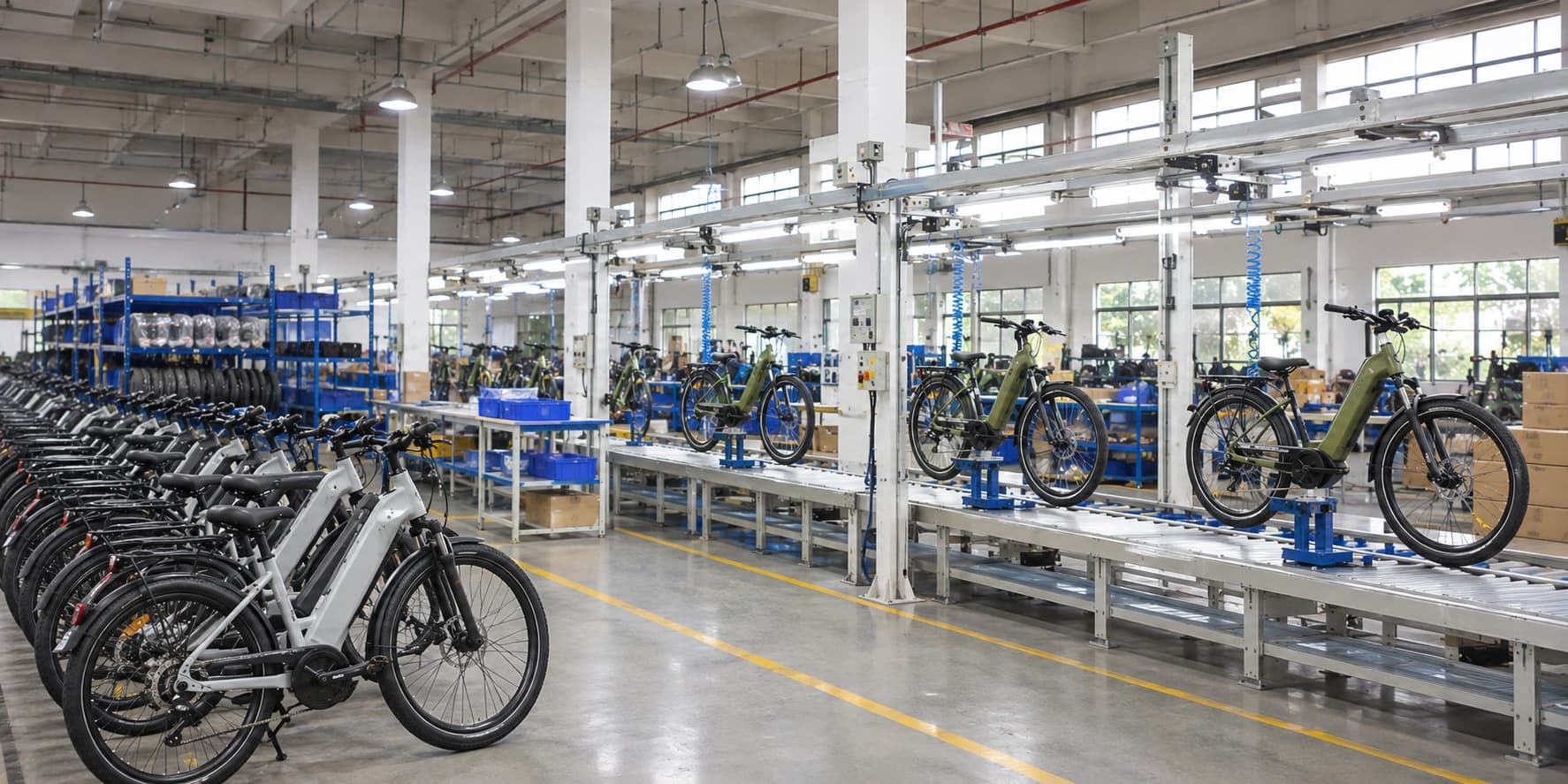 What Is the Difference Between an E-Bike Factory and a Trading Company?Choosing between an e-bike factory and a trading company can significantly affect purchasing costs, product quality, customization flexibility and long-term profitability.An e-bike factory manufactures electric bicycles and typic
-
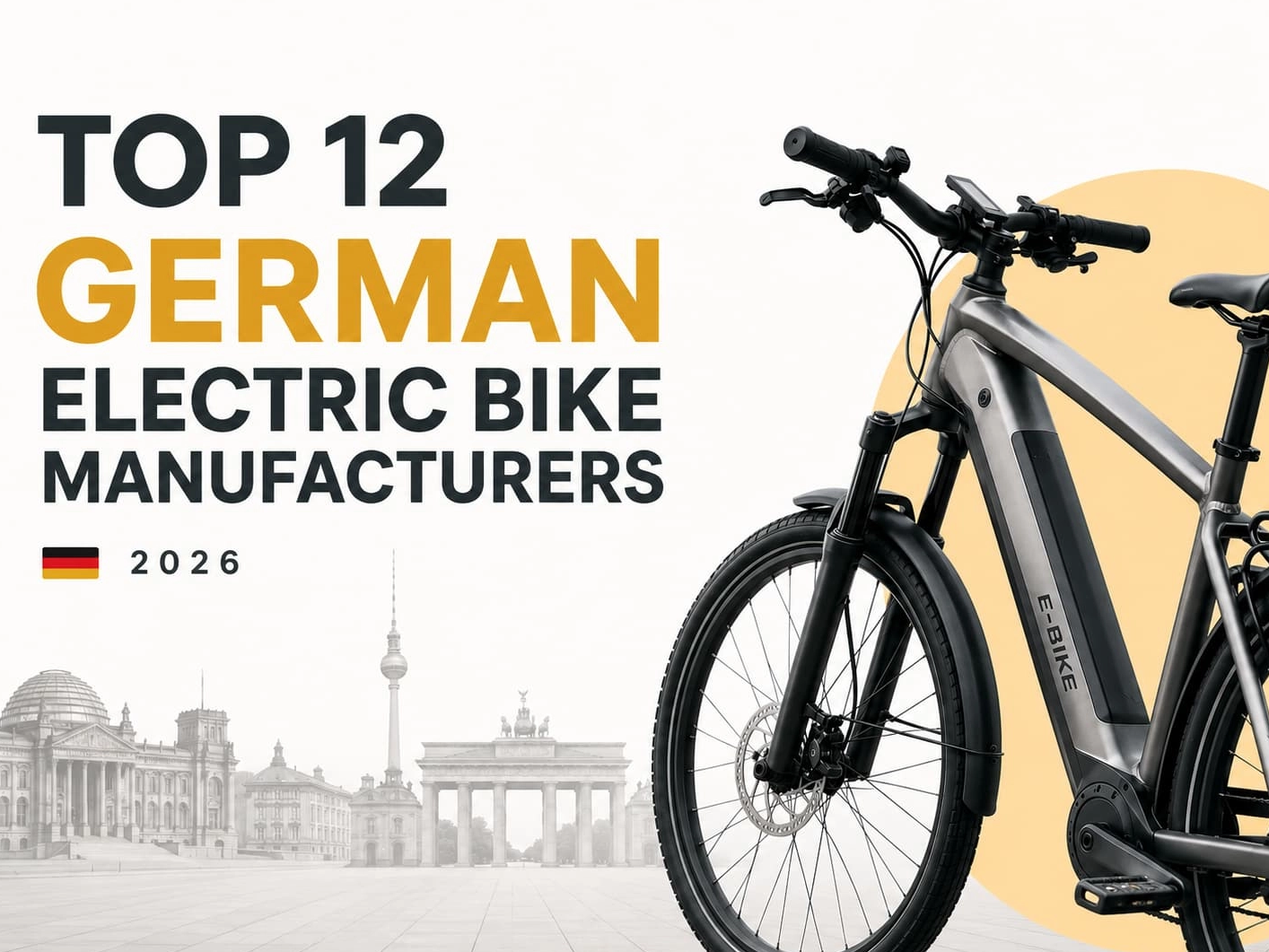 Why Germany Is Home to Some of Europe's Best E-Bike Brands Germany is widely recognized as the center of Europe's e-bike industry. Home to world-class component suppliers such as Bosch, Pinion, and Rohloff, Germany has built a strong reputation for engineering quality, innovation, and product reliab
-
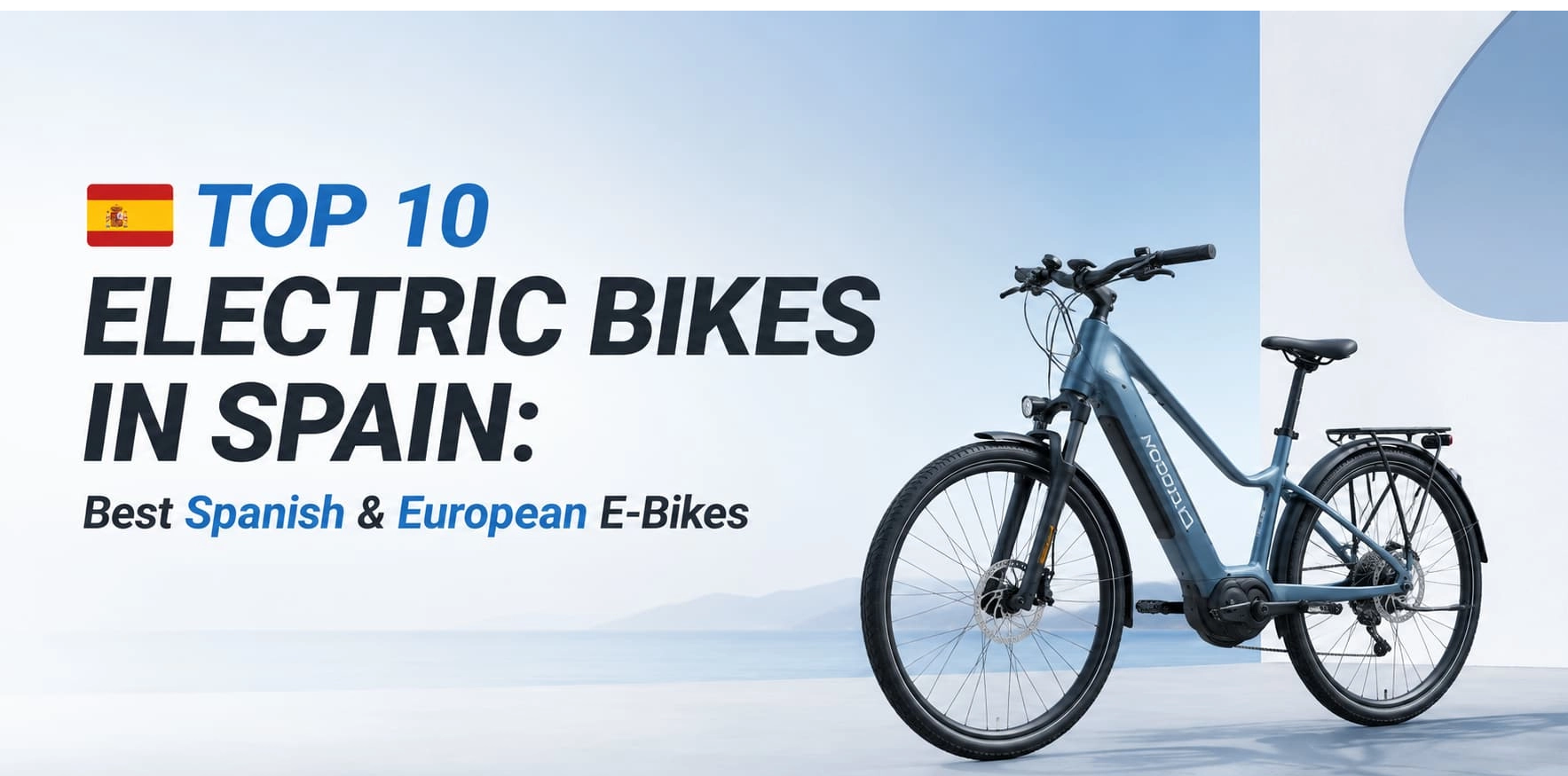 Spain is becoming an increasingly attractive market for electric bikes. From daily commuting in Madrid and Barcelona to coastal routes, mountain trails and weekend touring, e-bikes offer a practical way to travel farther with less effort.The Spanish market also has a strong mix of local and European
